Precision OEM Replacement Cam Shafts for Industrial Engines
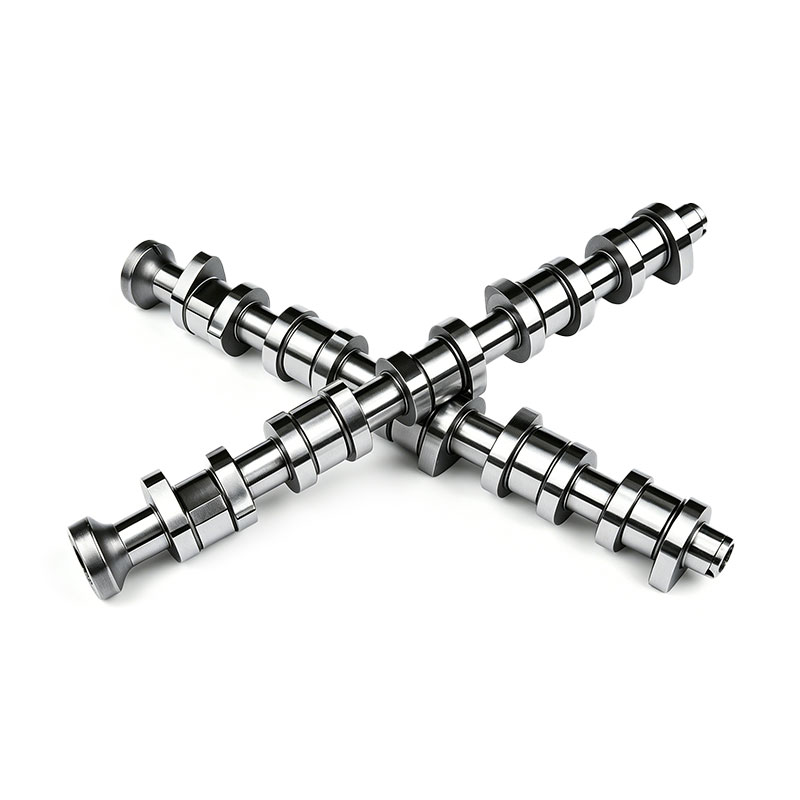
Product Overview:
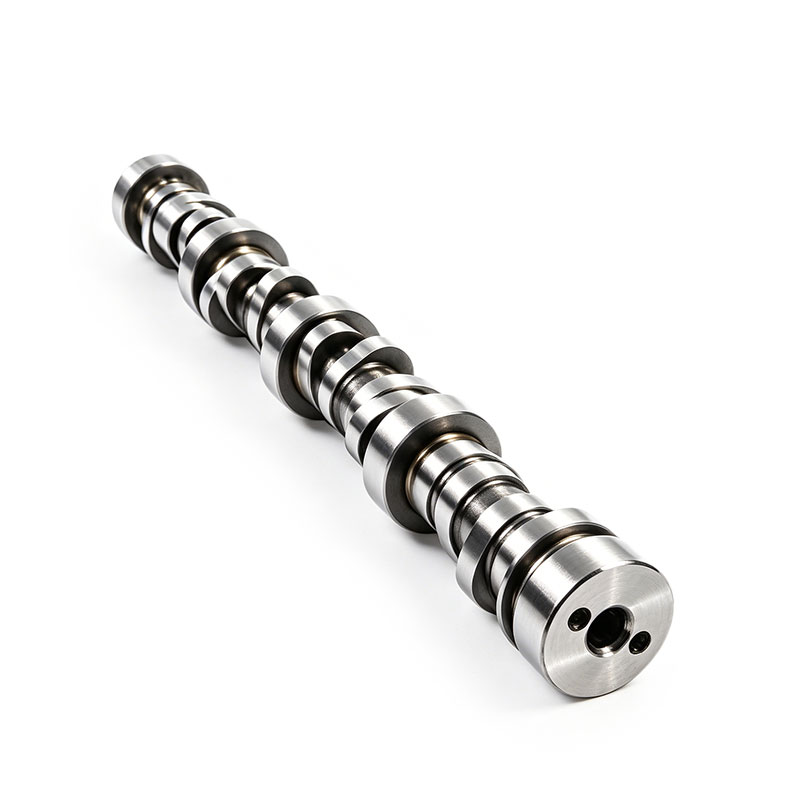
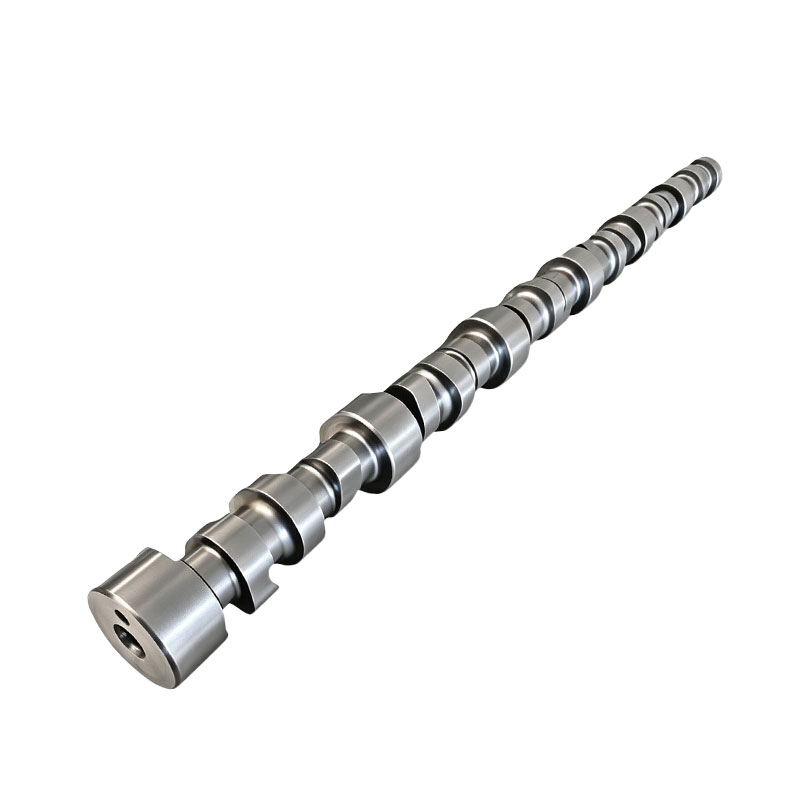
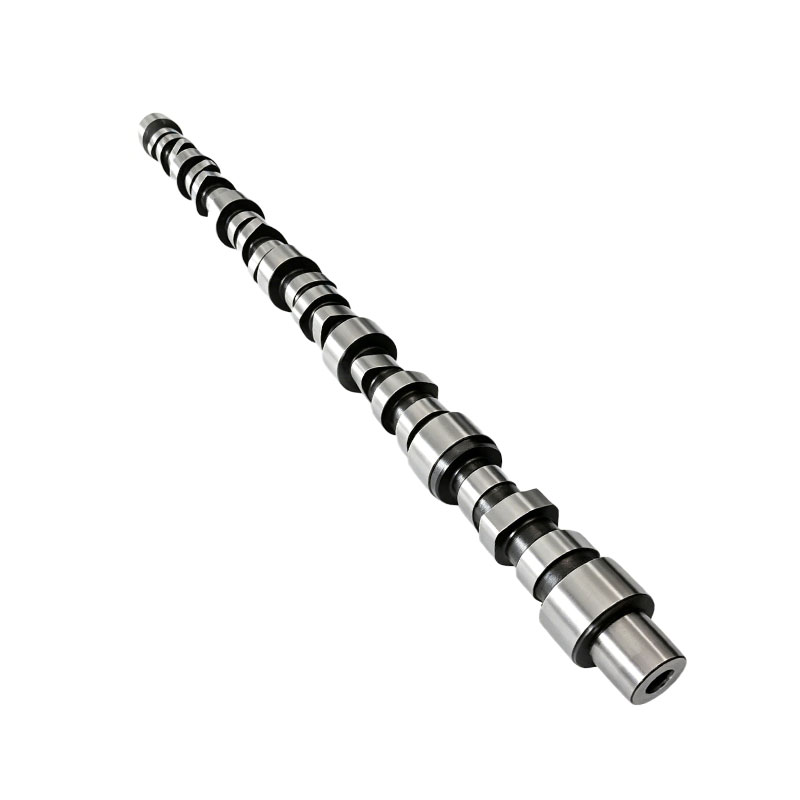
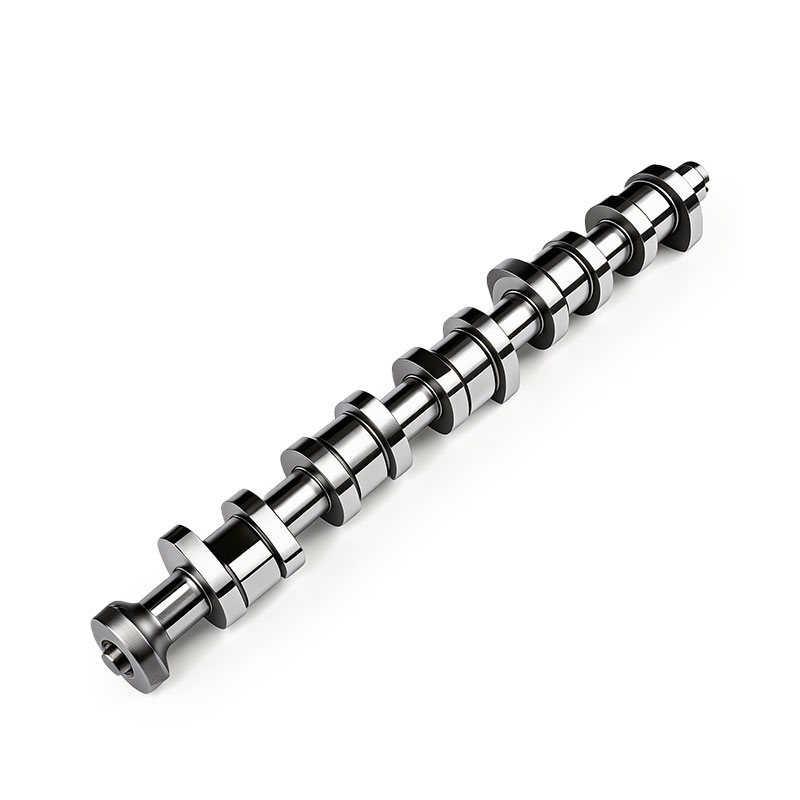
In heavy-duty industrial diesel engines, the camshaft acts as the mechanical brain of the powerplant. It dictates the precise timing of valve opening, exhaust scavenging, and fuel injection, fundamentally determining the engine's horsepower, torque, and fuel efficiency. Over thousands of hours of operation, extreme friction, high heat, and contaminated oil inevitably degrade the cam lobes. Even a millimeter of lobe wear drastically alters valve timing, leading to lost compression, engine misfires, and soaring fuel consumption. The AstraRoll Precision OEM Replacement Camshaft is engineered to completely restore your engine's peak output. Whether CNC-machined from ultra-dense forged steel or poured from high-grade chilled cast iron, every camshaft undergoes meticulous lobe grinding to replicate the exact OEM lift, duration, and ramp rates. Deeply induction-hardened to prevent premature "lobe wipe," AstraRoll camshafts deliver bulletproof reliability and flawless synchronization for the world's most demanding industrial environments.
Roll Function:
Industry Applications: Industry, Mining, Agriculture, New Energy
Inquiry Email: sales@astraroll.com
Precision OEM Replacement Cam Shafts for Industrial Engines Details
The AstraRoll Technical Advantage
Manufacturing a heavy-duty camshaft requires mastering the complex geometry of eccentric lobes and the metallurgy of extreme friction:
Micro-Precision CNC Cam Grinding: The shape of the lobe (the ramp, nose, and base circle) controls how smoothly the valves open and close. AstraRoll utilizes advanced multi-axis CNC cam grinders to achieve exact OEM kinematic profiles. This prevents "valve float" at high RPMs and ensures quiet, vibration-free valvetrain operation.
Deep Induction Hardening: The friction between the cam lobe and the lifter is immense. We selectively induction-harden the lobes and bearing journals to 55-60 HRC. Crucially, the core of the shaft remains ductile (unhardened) to absorb torsional twisting forces without snapping under heavy engine loads.
Optimized Surface Finish: A rough cam lobe will act like sandpaper, instantly destroying a new lifter. We micro-polish the lobes and bearing journals to a surface roughness of Ra 0.2 or better, ensuring instantaneous hydrodynamic lubrication upon engine start-up.
Strict Metallurgical & NDT Quality Control: Every industrial camshaft undergoes Magnetic Particle Inspection (MPI) and Ultrasonic Testing (UT) to guarantee there are zero micro-cracks or subsurface voids that could lead to catastrophic engine failure.
Key Specifications
Please note: AstraRoll manufactures replacement camshafts based on OEM part numbers or custom engineering blueprints.
Maximum Length: Custom manufactured up to 3,000mm+ (for massive V16/V20 marine or generator engines).
Lobe Hardness: 55 - 60 HRC (Induction-hardened).
Journal Concentricity (TIR): ≤ 0.01mm to prevent bearing binding and oil pressure loss.
Surface Treatment: Phosphating available to prevent rust during shipping and assist in initial break-in lubrication.
Manufacturing Tolerance: ISO IT6 precision grade.
Why Choose AstraRoll?
1. Reverse Engineering & Custom Profiling
If you are rebuilding an obsolete engine and cannot source OEM parts, AstraRoll can help. Send us your worn camshaft. Our engineers will utilize advanced 3D scanning and kinematic software to reverse-engineer the original profile, compensate for the wear, and manufacture a brand-new, perfect-spec replacement shaft.
2. Complete Valvetrain Component Sourcing
A camshaft should never be replaced in isolation. To guarantee the warranty and lifespan of the new cam, AstraRoll can supply perfectly matched, high-hardness cam followers, flat tappets, and roller lifters. Installing our complete valvetrain kit ensures perfect metallurgical compatibility and eliminates the risk of premature friction wear.
Frequently Asked Questions (FAQs)
Q: Do I really need to replace my lifters/tappets when installing a new camshaft?
A: Yes, absolutely. This is the golden rule of engine building. Old lifters have worn into the specific wear pattern of the old cam. If you install old, unevenly worn lifters onto a brand-new camshaft, the concentrated friction points will destroy (wipe) the new cam lobes within minutes of engine startup. Always install new lifters with a new cam.
Q: Should I choose Chilled Cast Iron or Forged Steel for my camshaft?
A: It depends entirely on your engine's valvetrain design. Chilled Cast Iron naturally contains graphite, providing excellent anti-galling properties; it is mandatory for engines using "flat tappet" lifters. Forged Steel offers much higher overall strength and is typically used in modern heavy-duty engines equipped with "roller lifters" and very high cylinder pressures.
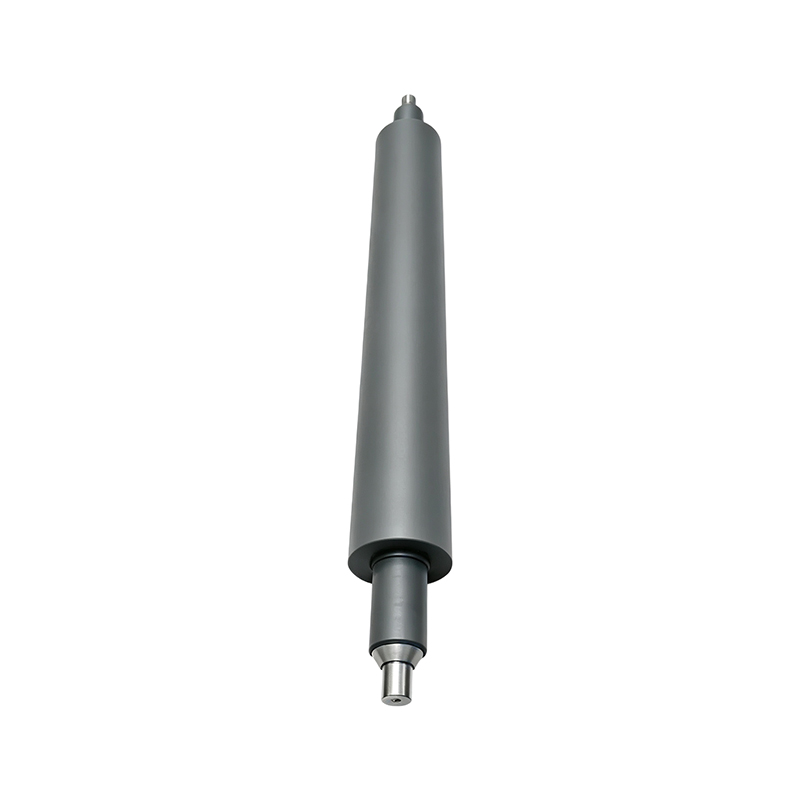
Q: What is the purpose of the black/grey coating on the new camshaft?
A: That is a Manganese Phosphate coating. It serves two purposes: first, it prevents the bare steel from rusting during international shipping and storage. Second, it is a micro-porous coating that holds assembly lube and engine oil, providing crucial "sacrificial" lubrication during the critical first few minutes of engine break-in.

Q1. Are you a trader or direct factory?
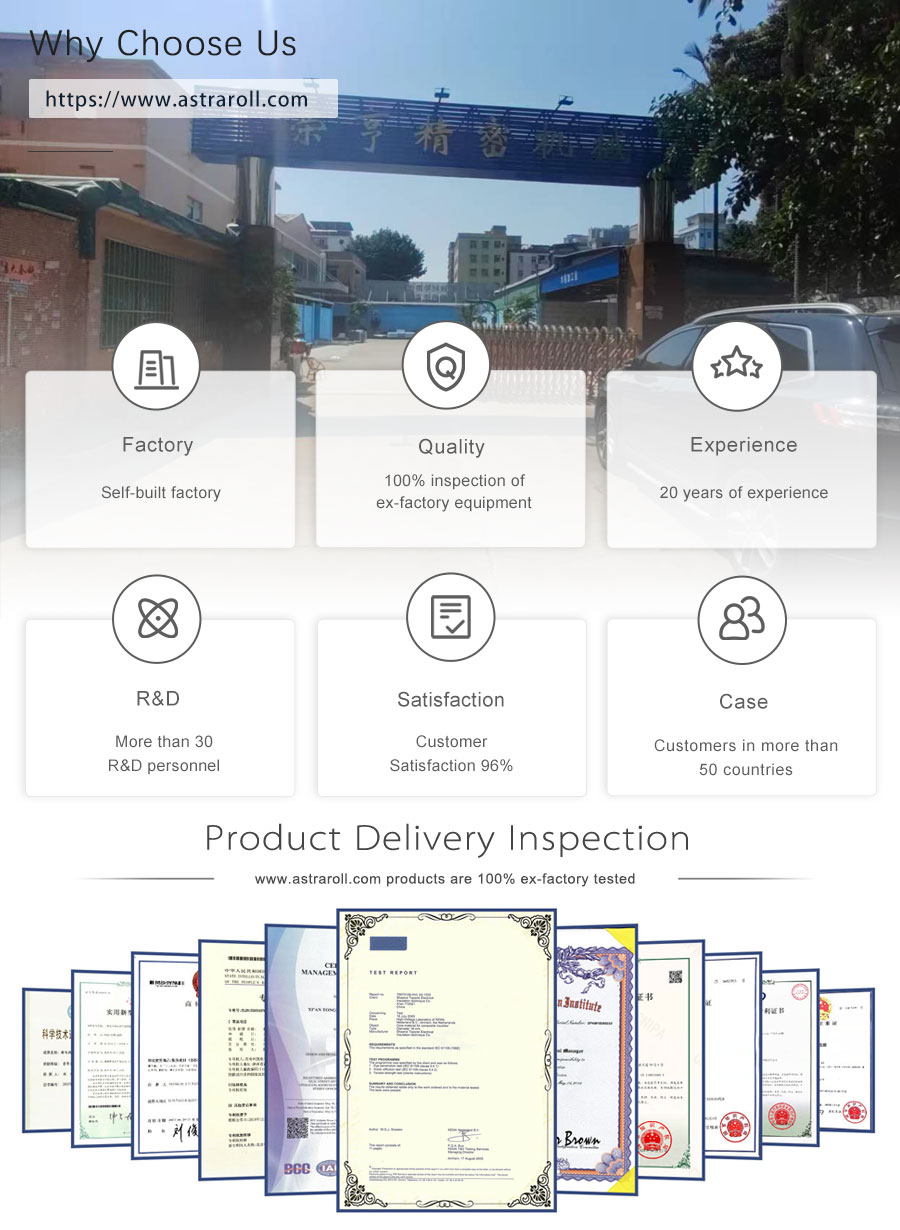
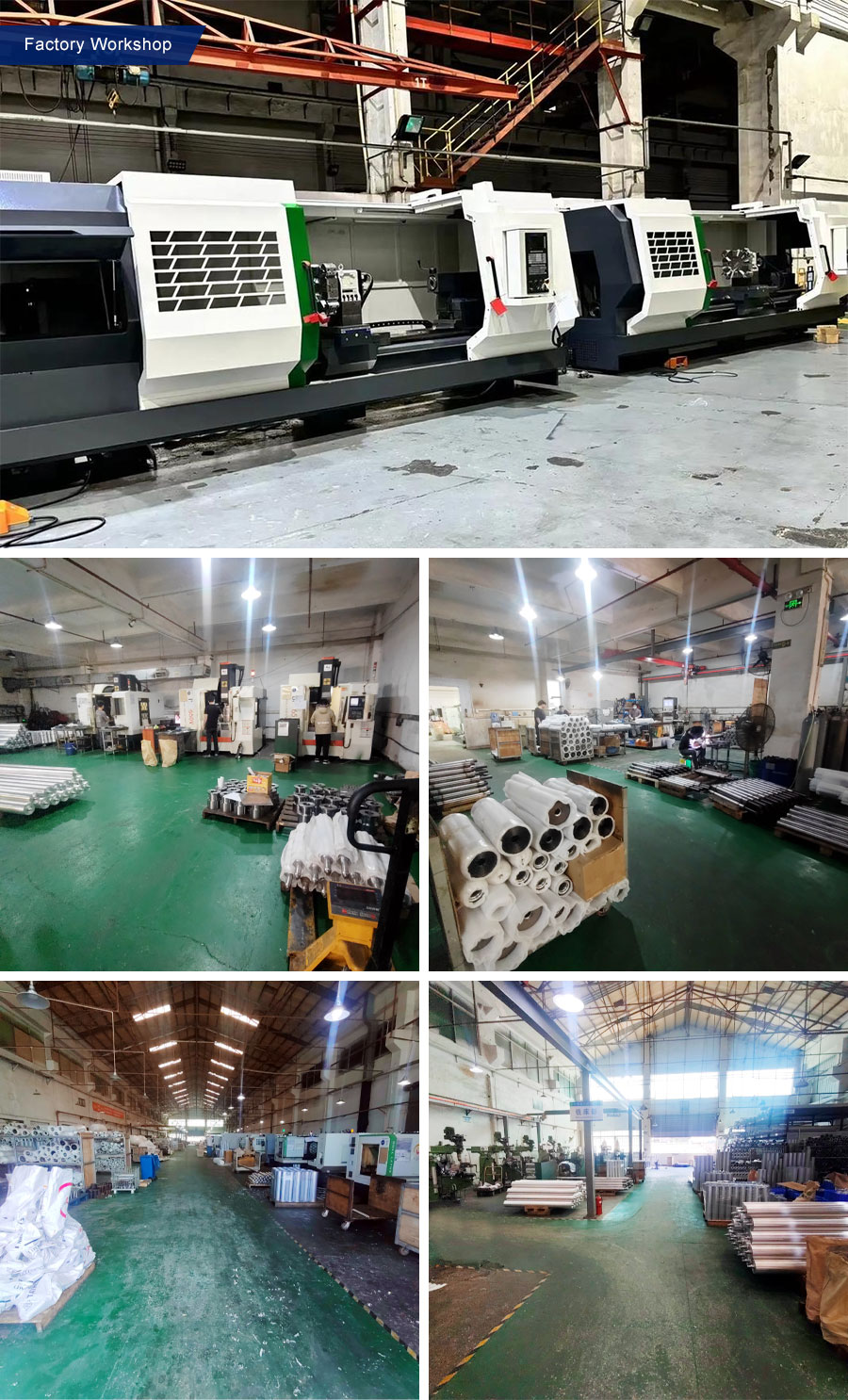
We are a direct manufacturing factory with over 20 years of expertise in high-end industrial rollers, casters and material handling solutions. Our facility operates with ISO-certified quality management systems, allowing us to maintain full control over production cycles and quality standards. Throughout two decades of growth, we have established deep, long-term strategic partnerships with several listed companies and global automation leaders, proving our reliability as a high-tier industrial supplier.
Q2. What are your main products?
AstraRoll specializes in the engineering and production of three core product lines: Industrial Rollers, Heavy-Duty Wheels, and Precision Casters. We do not just sell components; we provide integrated movement and transport solutions. Our products are widely utilized across high-demand sectors, including: New Energy, Lithium Battery, Mining, Heavy Industry, Medical Institutional, Agriculture and Logistics.
Q3. What about delivery time?
We deeply understand that project timelines are critical.
Standard Products: Usually dispatched within 7–15 working days if the components are in stock.
Customized/OEM Orders: Depending on the complexity and volume, the lead time typically ranges from 20–35 days. This includes time for technical drawing confirmation, specialized tooling, and rigorous pre-shipment testing.
Shipping Methods: We offer flexible global logistics solutions, including FOB and CIF terms. We ship via Sea Freight (for bulk industrial orders), Air Freight (for urgent project needs), and International Express (DHL/FedEx/TNT) for smaller components or samples.
Q4. How can I get a quote for customized products?
Since a significant portion of our business involves specialized engineering, pricing is tailored to your specific technical requirements. To provide an accurate quote, please provide the following details: Technical Drawings or Sketches, Application Environment, Quantity, Special Requests. Our engineering team typically reviews and responds to custom inquiries with a formal quotation within 24–48 hours.
Q5. What is your payment?
TT / Paypal / Western Union / LC / Credit Card etc. are all available to us.