
Robotics Wheel
Robotics Wheel FAQs
What you may want to know about Robotics Wheel
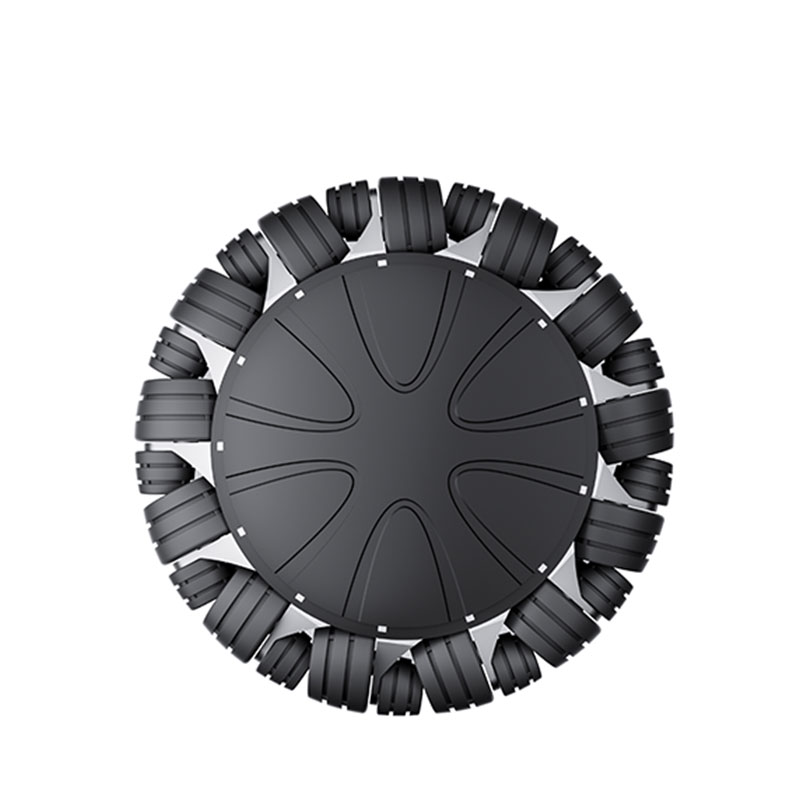
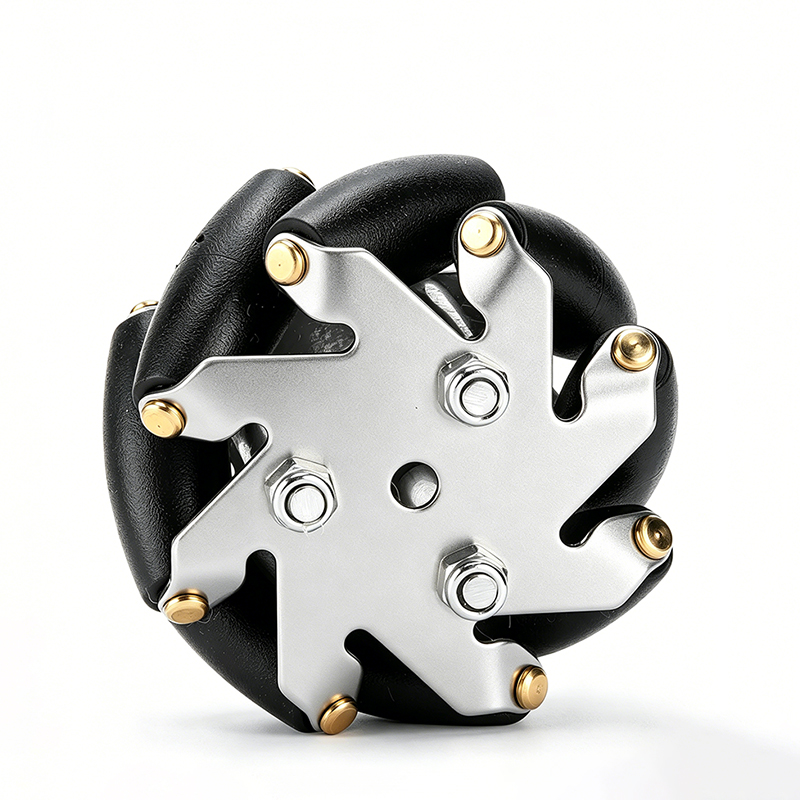
AstraRoll Robotics Wheels are engineered for the precision movement, stability, and endurance required by autonomous mobile robots (AMRs), automated guided vehicles (AGVs), service robots, delivery robots, inspection robots, and industrial robotic platforms. Designed to perform consistently in dynamic, real‑world environments, these wheels combine low rolling resistance, high load capacity, quiet operation, and precise traction control to support reliable, uninterrupted autonomous operation.
Every design detail is optimized for robotic motion: consistent friction for accurate odometry and positioning, shock absorption for uneven floors, non‑marking performance to protect indoor surfaces, and long wear life under continuous start‑stop operation. Whether operating in warehouses, manufacturing facilities, hospitals, logistics centers, or public spaces, AstraRoll robotics wheels ensure stable, predictable movement that robots and their control systems depend on.
Key Performance Characteristics
Our robotics wheels focus on the critical behaviors that define autonomous mobility performance. Precise traction and consistent surface friction enable accurate speed and position feedback, which is essential for navigation, path planning, and obstacle avoidance. Low rolling resistance reduces power consumption, extending battery life and operational runtime between charges.
Shock‑absorbing tread materials dampen vibration, protecting sensitive sensors, controllers, and electronic components on board the robot. The wheels also maintain stable performance under partial loads and quick directional changes, supporting the agile movement required in modern robotic applications.
Material & Construction
AstraRoll uses high‑performance polyurethane, rubber compounds, and engineered plastics specifically formulated for robotic applications. These materials offer excellent wear resistance, low compression set, and stable traction across concrete, epoxy, tile, and smooth indoor flooring.
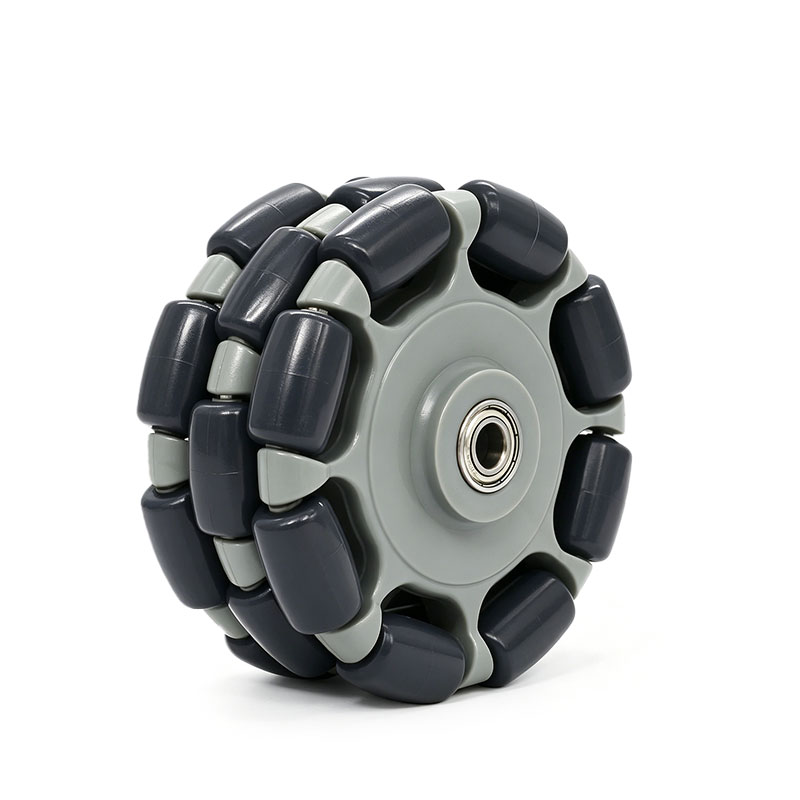
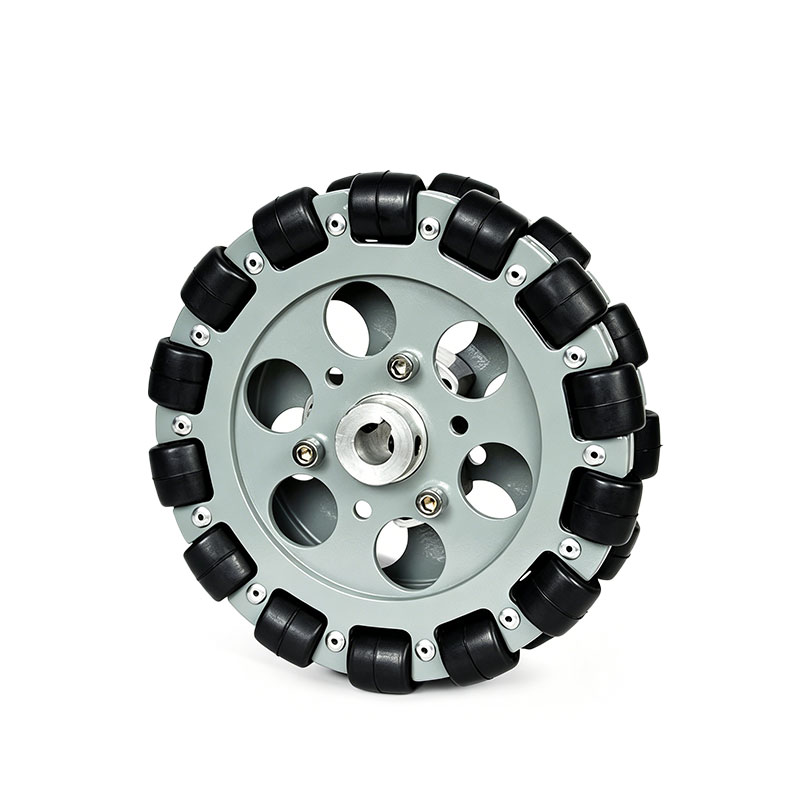
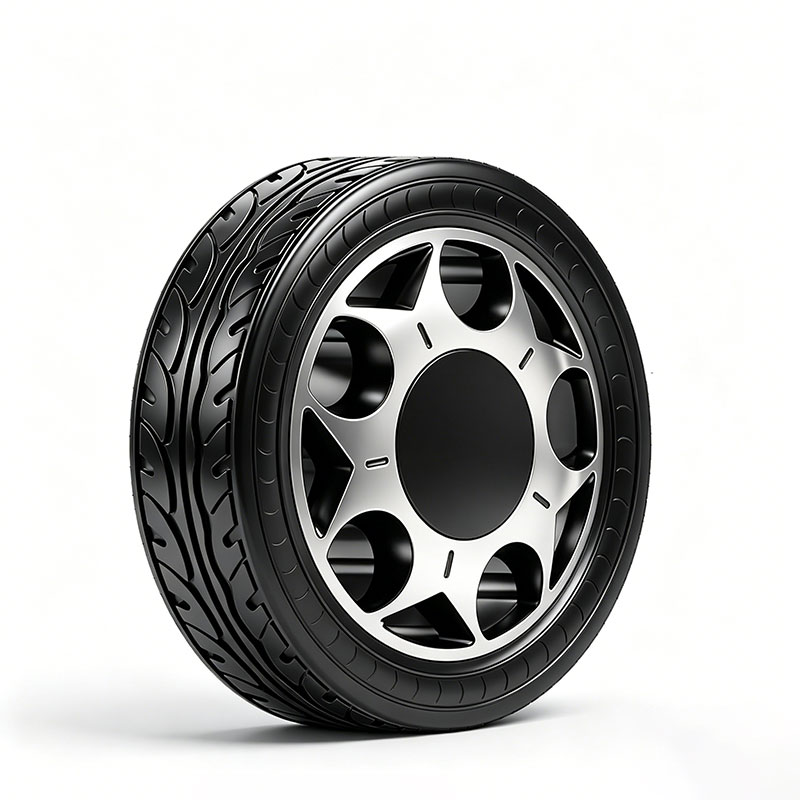
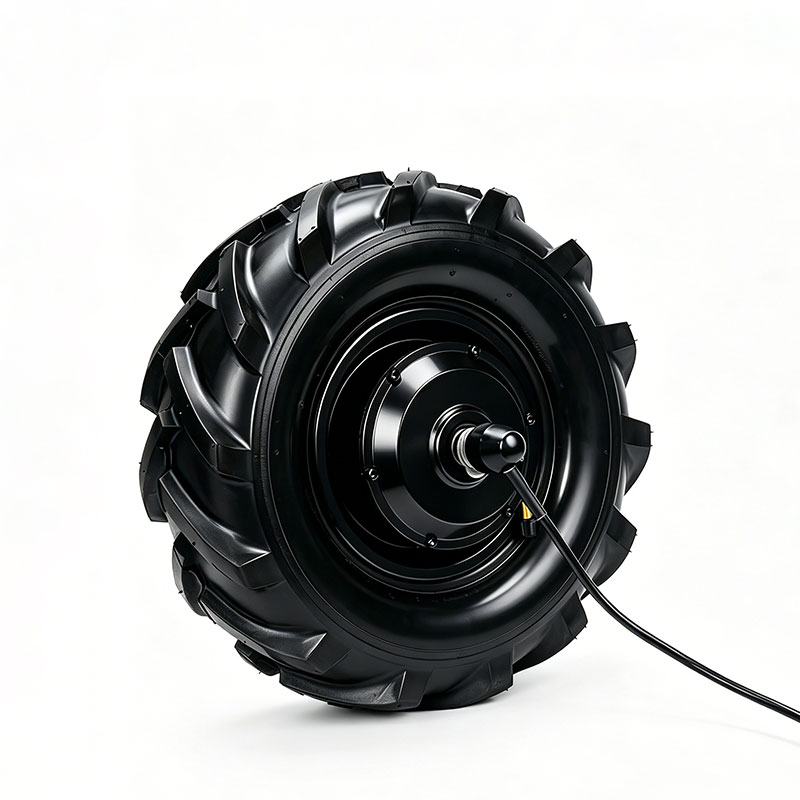
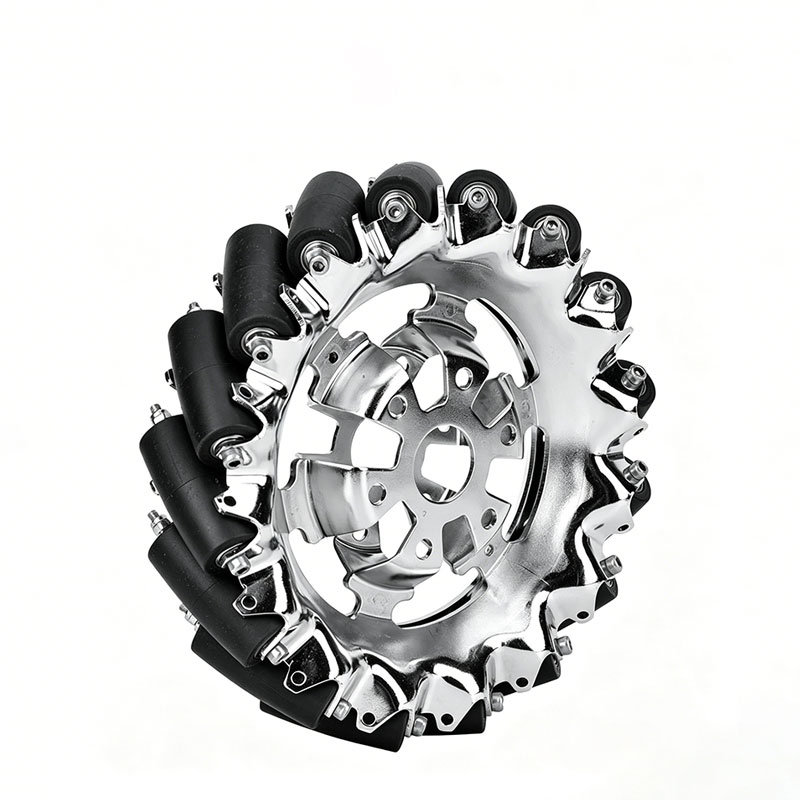
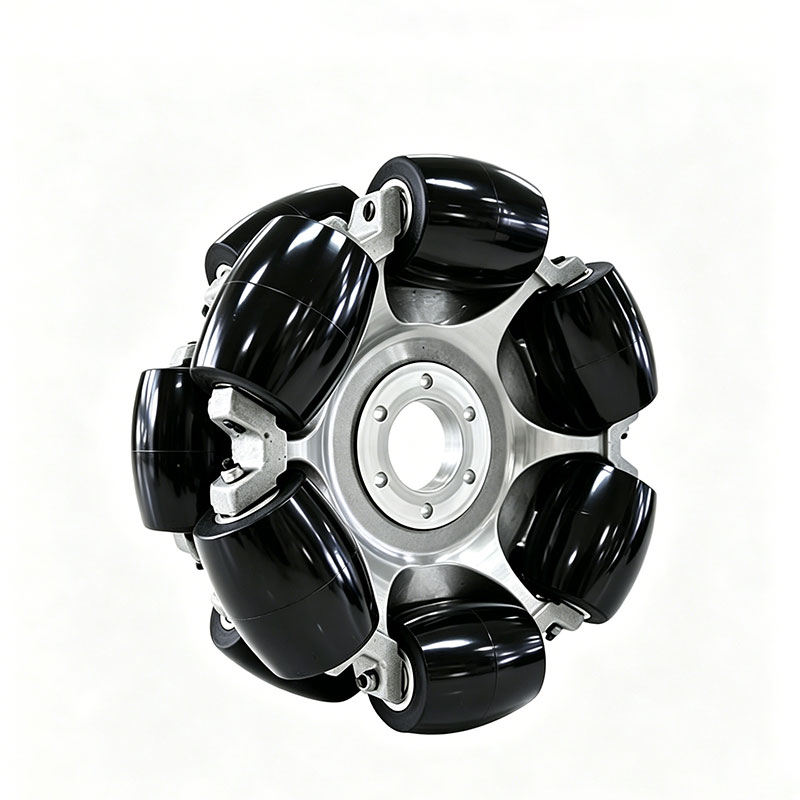
Wheel hubs are lightweight yet rigid, with precision‑machined bore profiles for secure mounting to drive motors and steering assemblies. Sealed bearings prevent dust and debris intrusion, ensuring maintenance‑free rotation in long‑term continuous operation. Many designs feature symmetric or custom tread patterns to improve grip without sacrificing smoothness or quietness.
Typical Robotic Applications
AstraRoll Robotics Wheels are widely used across all types of mobile robotic systems:
- Warehouse AMRs and logistics delivery robots
- Industrial AGVs for assembly and material transport
- Hospital and healthcare service robots
- Commercial cleaning and inspection robots
- Factory automation and production line robots
- Outdoor inspection, security, and port robotics
They perform reliably in high‑traffic, dynamic environments where consistency, silence, and durability directly affect robot uptime and operational efficiency.
Customization for Robotic Platforms
We support full customization to match unique robotic chassis and performance requirements. Options include wheel diameter, width, tread hardness, hub design, bore size, and color matching. For specialized applications, we offer non‑marking, anti‑static, low‑dust, and quiet‑operation formulations.
Braking compatibility, encoder integration, and precision balancing are also available to meet the strict demands of high‑performance autonomous systems.
Why Choose AstraRoll Robotics Wheels?
AstraRoll understands that robot mobility relies on wheel consistency more than raw strength. Our wheels eliminate common failure points such as uneven wear, inconsistent traction, squeaking, vibration, and premature degradation that disrupt navigation and reduce uptime.
With stable performance, long service life, and low power consumption, our robotics wheels help maximize robot efficiency, extend battery life, and reduce maintenance interruptions. For both standard and custom robotic platforms, AstraRoll provides the reliable mobility foundation modern robots need.