
Phone: +86 15398058207
E-mail: sales@astraroll.com
Add: Room 603 Building C, The Huixin Center, Zhangba One Road, Yanta Zone, Xi'an City, Shaanxi Province, China
How to Choose the Right Rubber Roller Material for Your Industrial Application?
How to Choose the Right Rubber Roller Material?
Choosing the wrong rubber roller material isn't just a minor purchasing mistake-it is a direct ticket to unplanned downtime, scrapped materials, and skyrocketing maintenance costs.
In industrial manufacturing, a roller is the heartbeat of your production line. Its performance depends not only on the chemical formulation of the rubber coating but also on the precision of the inner core and the specific stresses of your operating environment. Whether you are dealing with aggressive chemicals, extreme heat, or massive mechanical loads, selecting the correct material is a critical engineering decision.
In this comprehensive guide, we will walk you through the industry's most common rubber compounds, advanced surface treatments, and application-specific solutions to help you make the right choice for your equipment.
Step 1: Matching Material to Your Operating Environment
The first rule of roller selection is understanding what the rubber will be exposed to. Here are the core materials and where they excel:
A. Polyurethane (PU): The King of Wear & Load
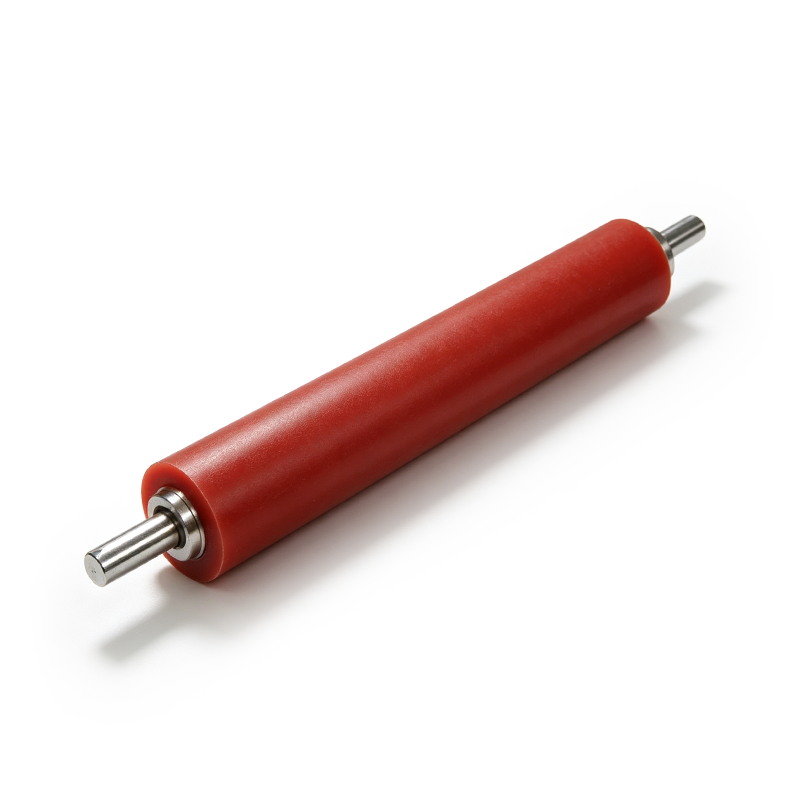
When your application involves heavy-duty conveying, metal processing, or high-friction environments, standard rubber will tear and degrade rapidly. Polyurethane offers exceptional cut resistance, tear strength, and load-bearing capacity. If you need a solution that won't flatten under massive weight, you need to explore polyurethane rubber coated rollers with shaft that are custom-machined for absolute concentricity.
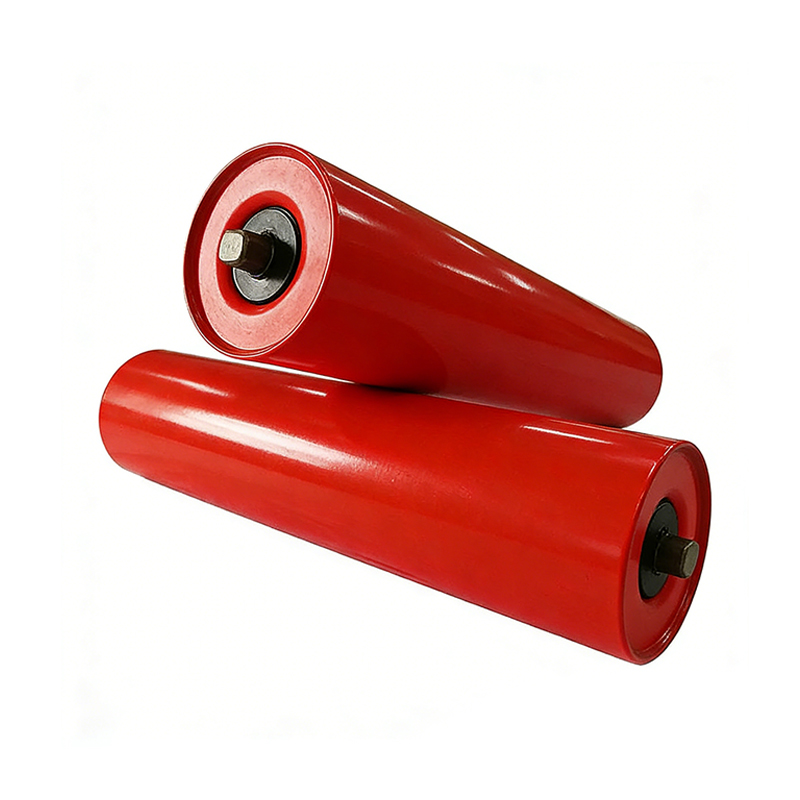
B. Silicone Rubber: The High-Heat Expert
Standard rubber compounds begin to melt or harden and crack when exposed to extreme temperatures. Silicone rubber is the ultimate solution for high-heat applications, easily operating in environments exceeding 200°C (392°F). Additionally, silicone possesses excellent "release" (non-stick) properties, making a heat-resistant silicone rubber roller the industry standard for plastic film laminating, heat sealing, and hot-melt adhesive applications.
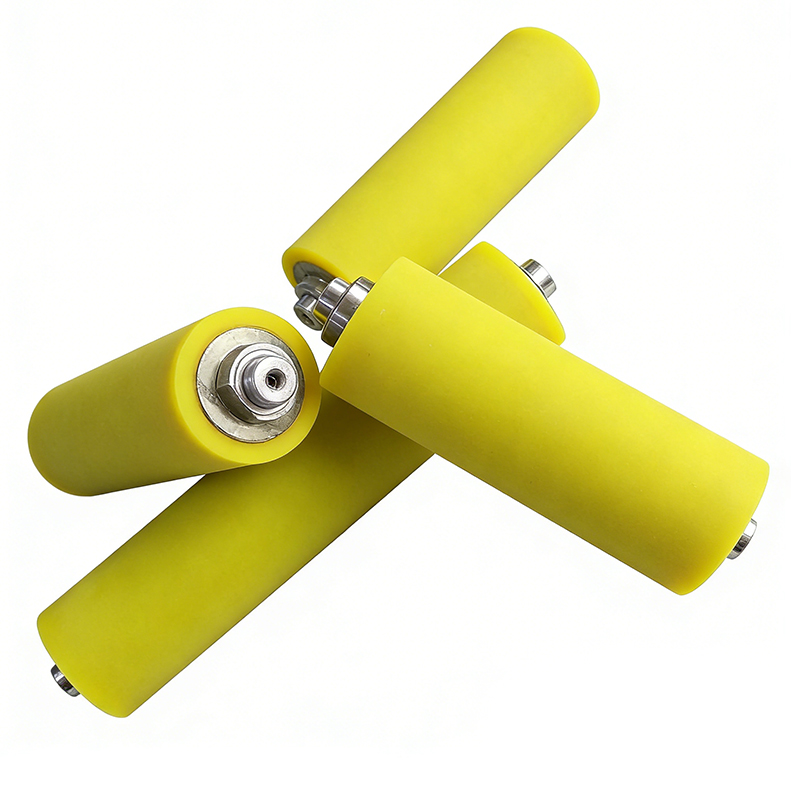
C. EPDM: The Harsh Environment Warrior
If your rollers are operating outdoors, or in environments exposed to UV light, ozone, or harsh polar solvents (like ketones and esters), EPDM is your best defense. Unlike natural rubber which cracks under UV exposure, an industrial EPDM rubber roller for harsh environments offers superior weather resistance and longevity in highly corrosive chemical processing lines.
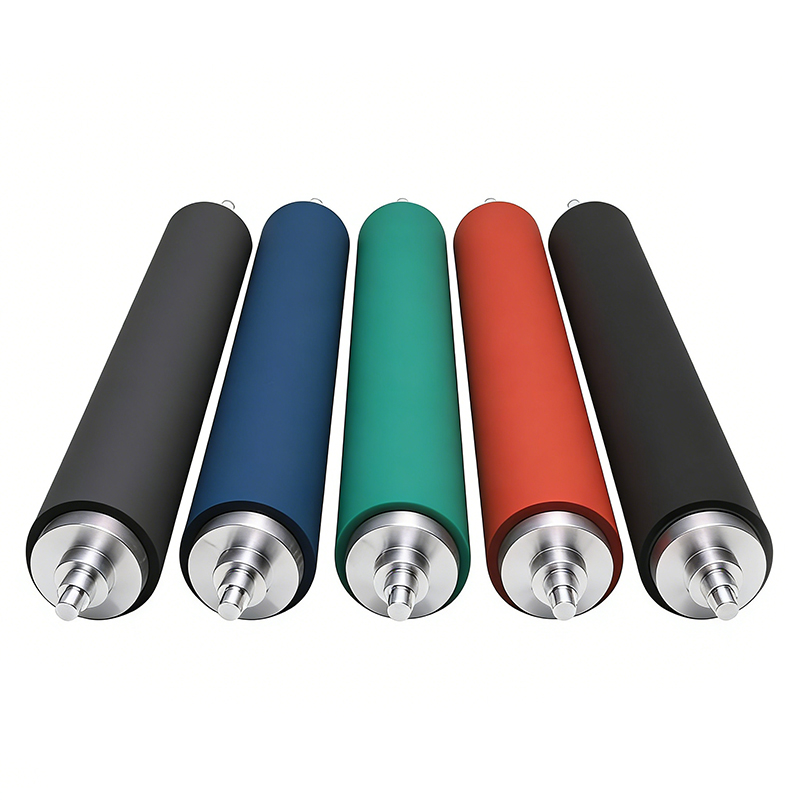
Step 2: Advanced Features – Surface & Electrical Properties
For advanced engineering applications, simply choosing the right base polymer isn't enough. You must also consider the electrical properties and surface geometry of the roller.
A. Dealing with Static Electricity
In paper manufacturing, film converting, and electronics assembly, the continuous friction of materials running over a roller generates significant static electricity. This can lead to dust accumulation, product damage, or even severe fire hazards. To safely dissipate these charges, upgrading to a specialized conductive and anti-static rubber roller is essential for maintaining a safe and efficient production line.
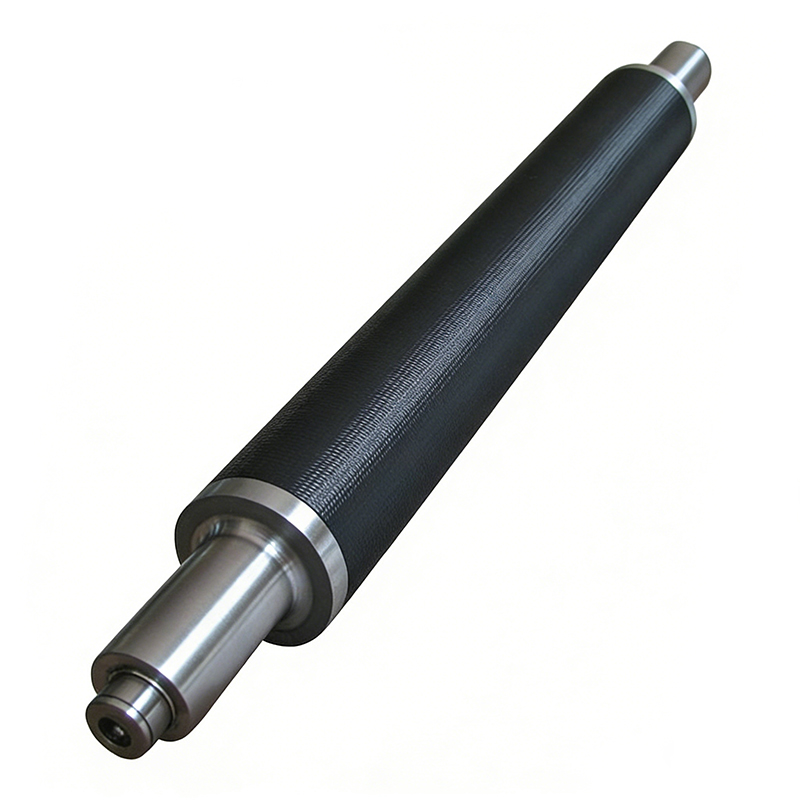
B. Increasing Traction with Surface Grooving
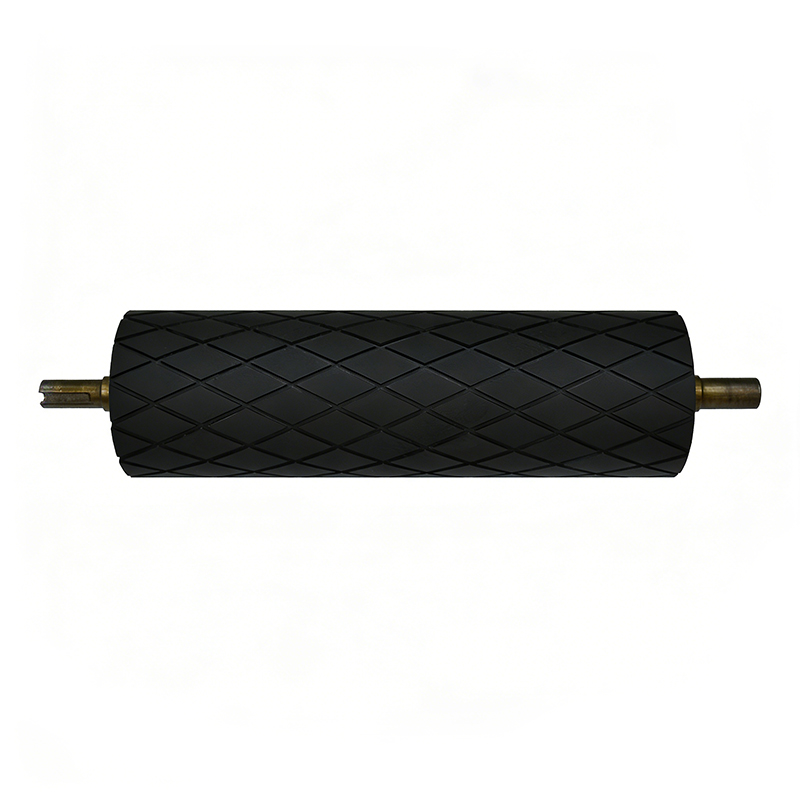
Smooth rollers can struggle with slippage, especially in high-speed applications or environments where liquids, oils, or dust are present. By adding geometric patterns to the rubber surface, you can dramatically improve grip and fluid displacement. For instance, a diamond groove rubber roller helps channel debris and moisture away from the contact area, ensuring your web or conveyor belt tracks perfectly straight without wandering.
Step 3: Application-Specific Solutions
Certain industries have incredibly stringent requirements that go beyond standard material selection. If you operate in these fields, you need purpose-built solutions:
The Printing Industry: Printing presses require rollers that can resist harsh inks and solvents (often utilizing NBR rubber) while maintaining perfect dynamic balance at high RPMs. Choosing a custom rubber printing roller for machine applications ensures precise ink distribution without swelling or shrinking.
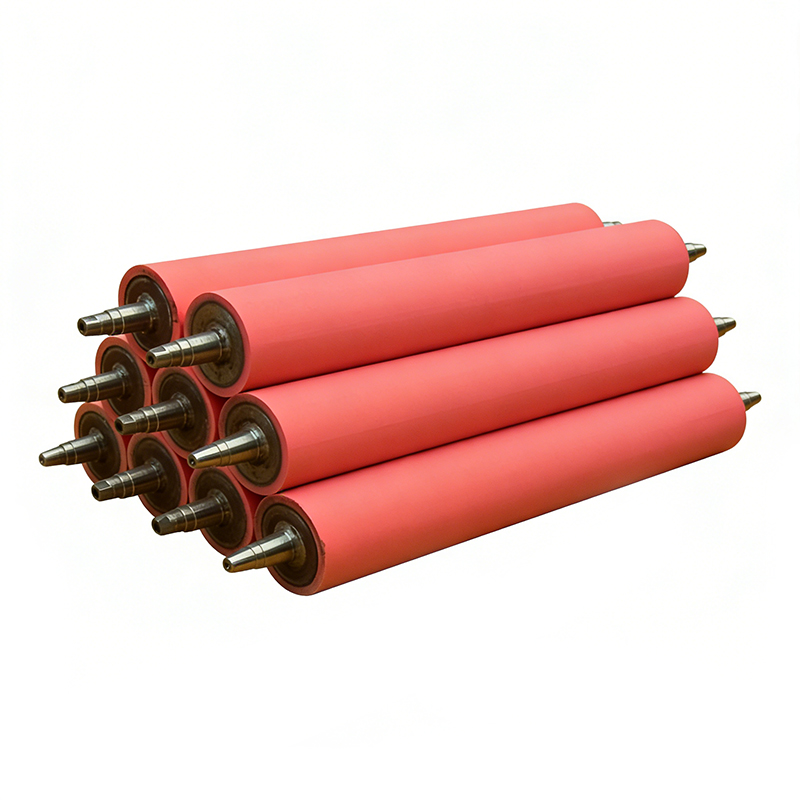
Laminating & Converting: When two rollers press together to squeeze or laminate material (a "nip" process), the margin for error is zero. The rubber hardness (Shore A) must be flawlessly consistent across the entire length. Working with a dedicated nip rubber roll manufacturer ensures you get the exact crown profiles and micro-tolerances required to prevent material wrinkling.
The AstraRoll Advantage: Why the Rubber is Only Half the Story
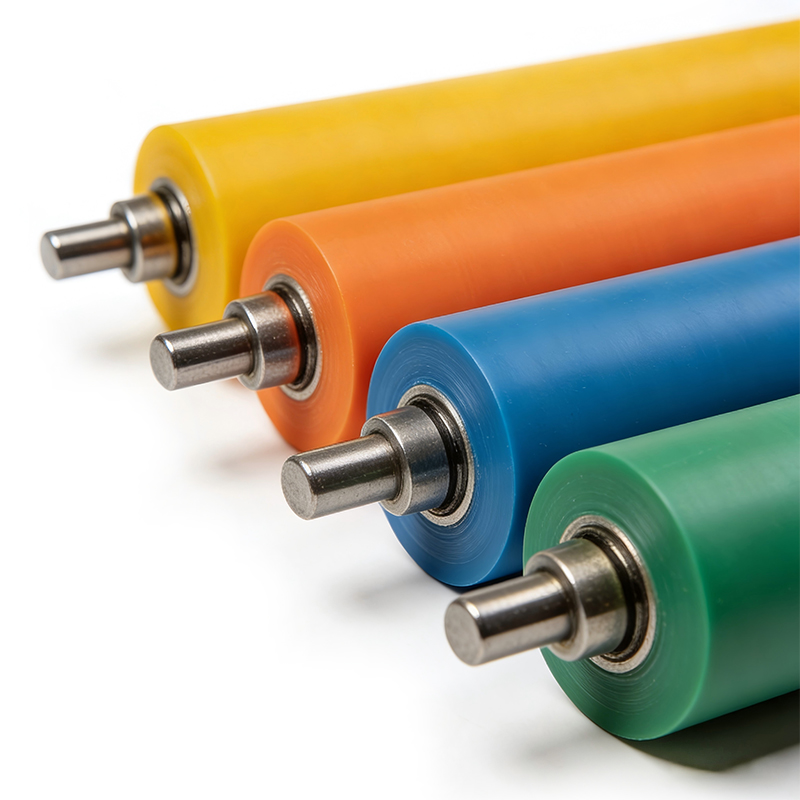
A premium rubber compound is useless if it peels off the metal core after a week of operation. At AstraRoll, we don't just coat rollers; we engineer complete motion solutions.
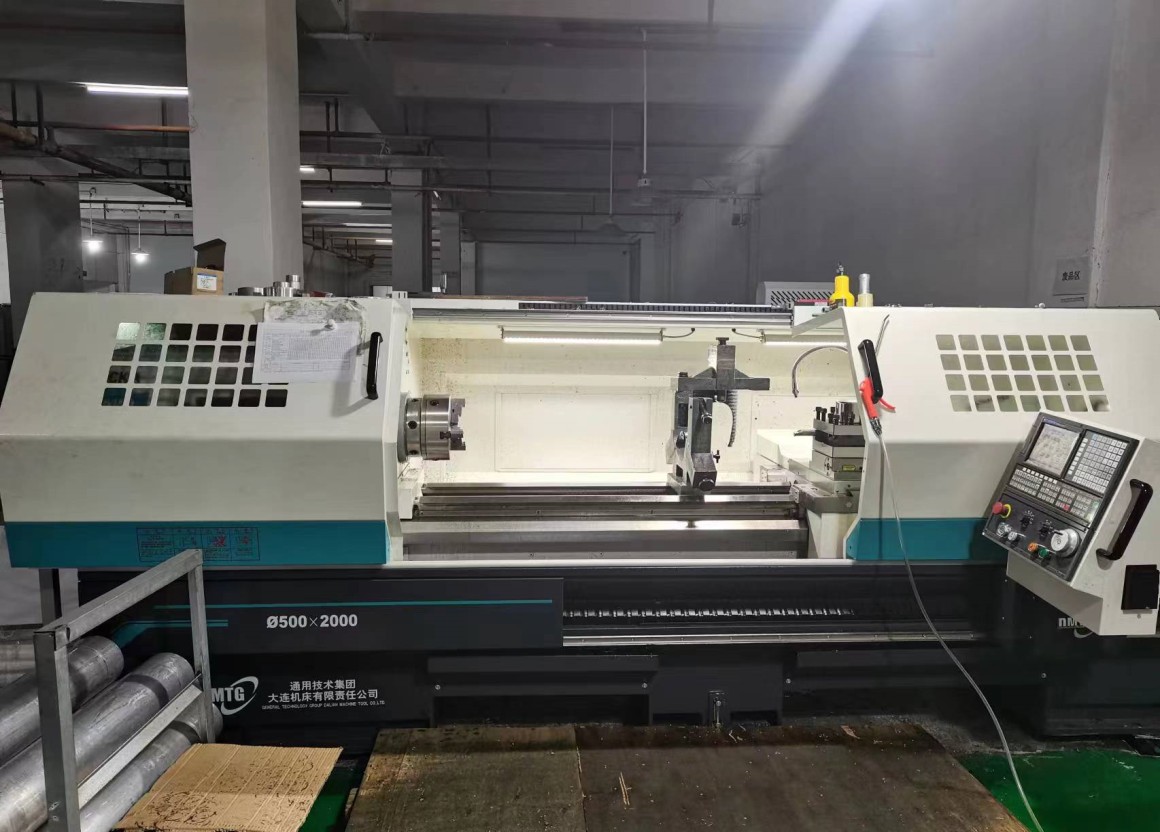
Precision CNC-Machined Cores: We machine our steel and aluminum hubs on advanced CNC turning centers to guarantee ±0.01mm concentricity. This eliminates high-speed vibration and ensures even pressure distribution.
Anti-Delamination Bonding Technology: High speeds and heavy loads create massive shear forces. We utilize a proprietary chemical bonding and vulcanization process that permanently fuses the rubber to the metal core, guaranteeing zero delamination even under 24/7 continuous operation.
Ready to Upgrade Your Equipment?
Selecting the perfect rubber roller is a rigorous engineering process, but you don't have to do it alone. Whether you need a standard replacement or a custom OEM design from your CAD drawings, the AstraRoll engineering team is here to help.
Contact us today to discuss your application parameters or explore our full catalog of industrial rubber rollers to find your perfect match.
- The Silent Quality Drivers: How High-Precision Rollers Shape Release Film Perfor
- What Are the Benefits of Hard Anodized Aluminum Guide Rollers?
- Why High-End Manufacturing Cares So Much About Roller Surface Precision
- Why Your Heavy-Duty Conveyor Needs Garland Idler Rollers
- What are the differences and applications between anilox roller and embossing ro
- Why Teflon Coated Aluminum Rollers Are the Best Choice for Non-Stick Web Handlin
- How to Eliminate Static Accumulation and Defect Risks in High-Speed Battery Sepa
- What Are Hard Coated Rollers?