Custom Nitrile Rubber (NBR) Rollers for Printing & Cutting
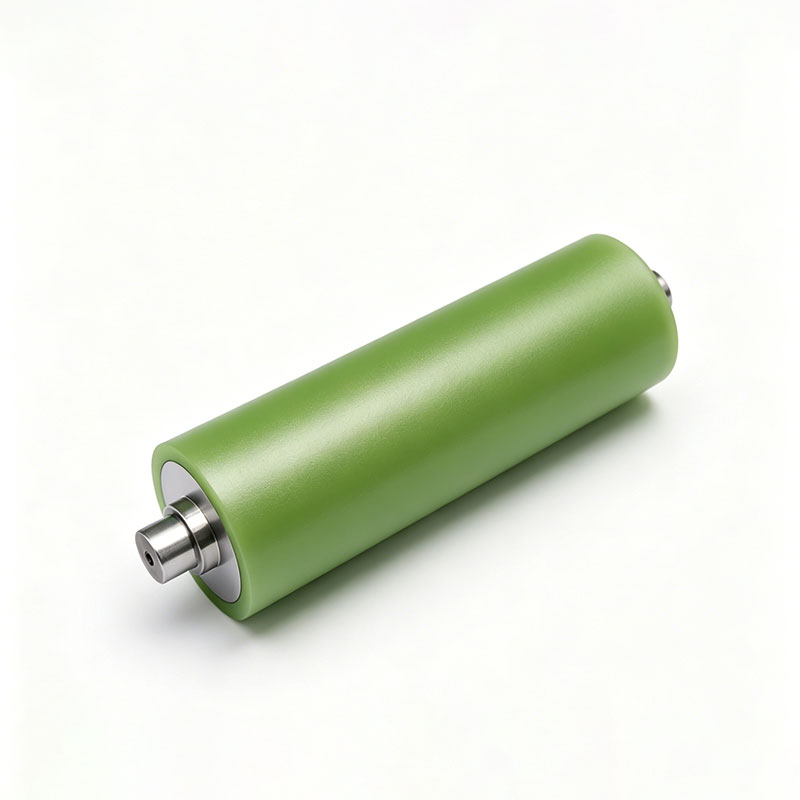
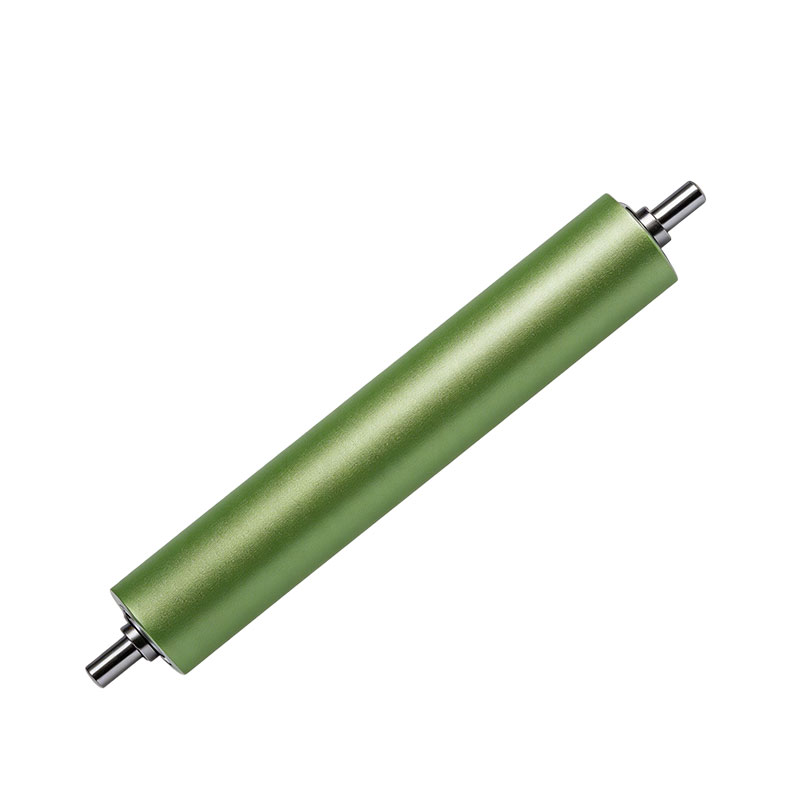
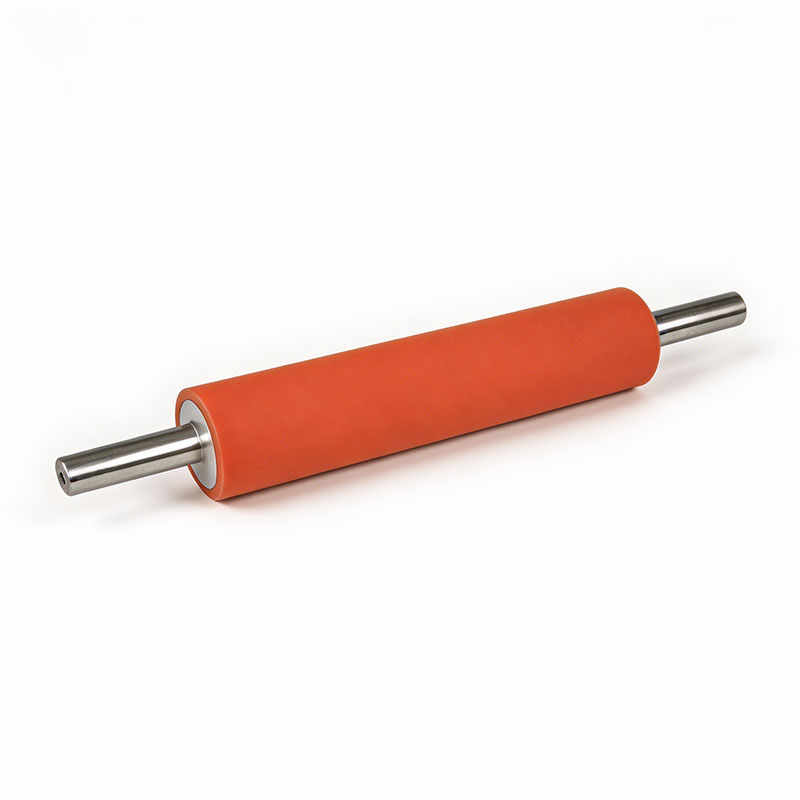
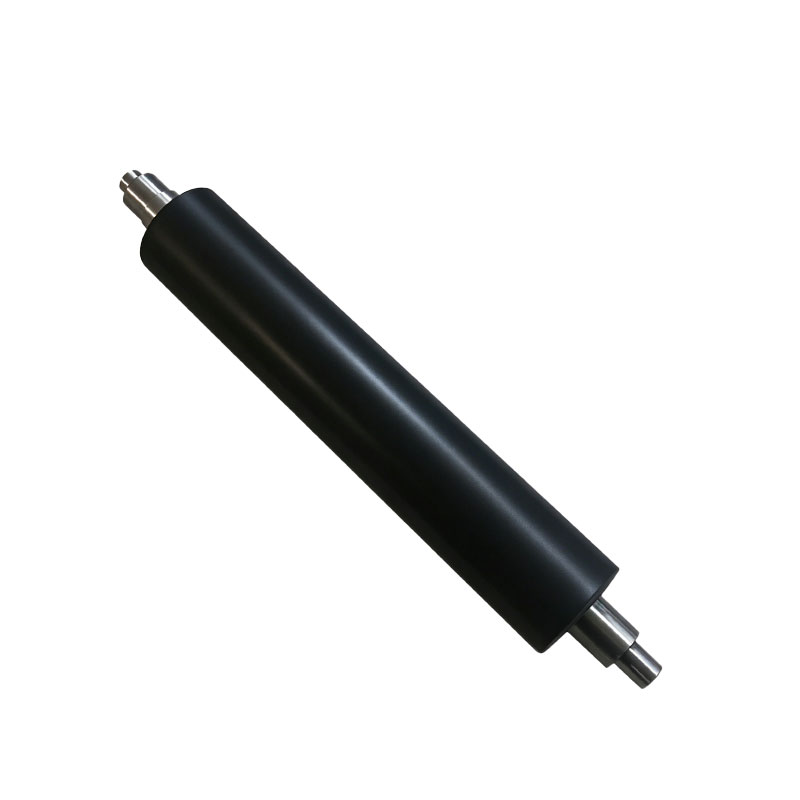
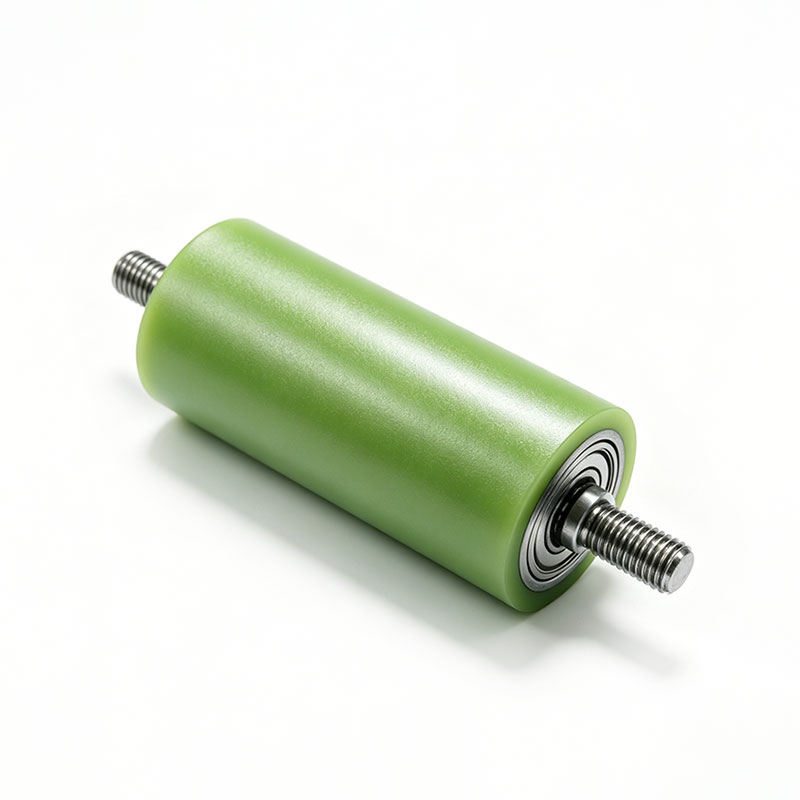
Product Overview:
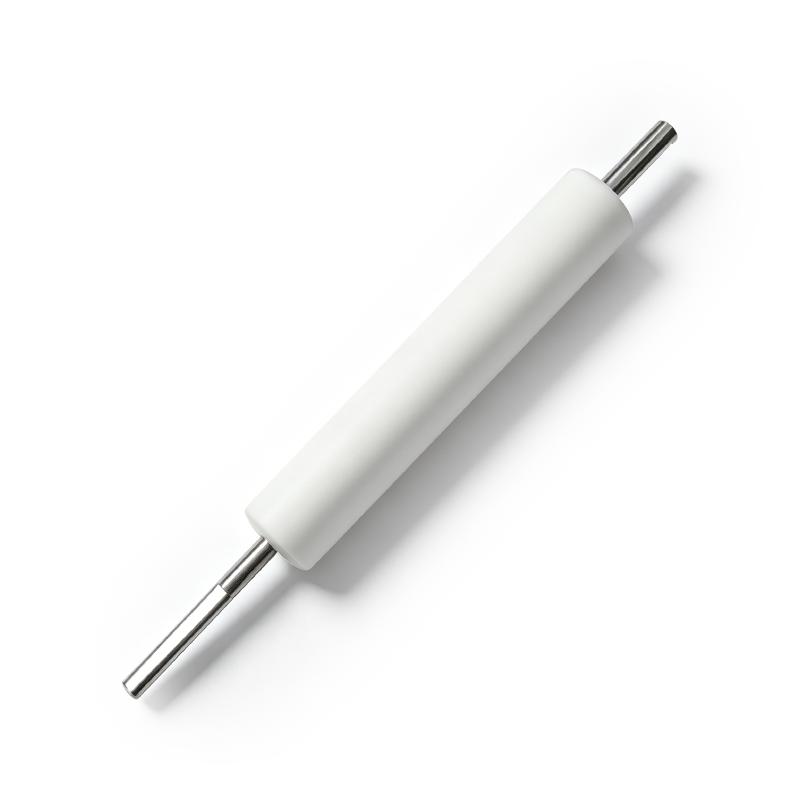
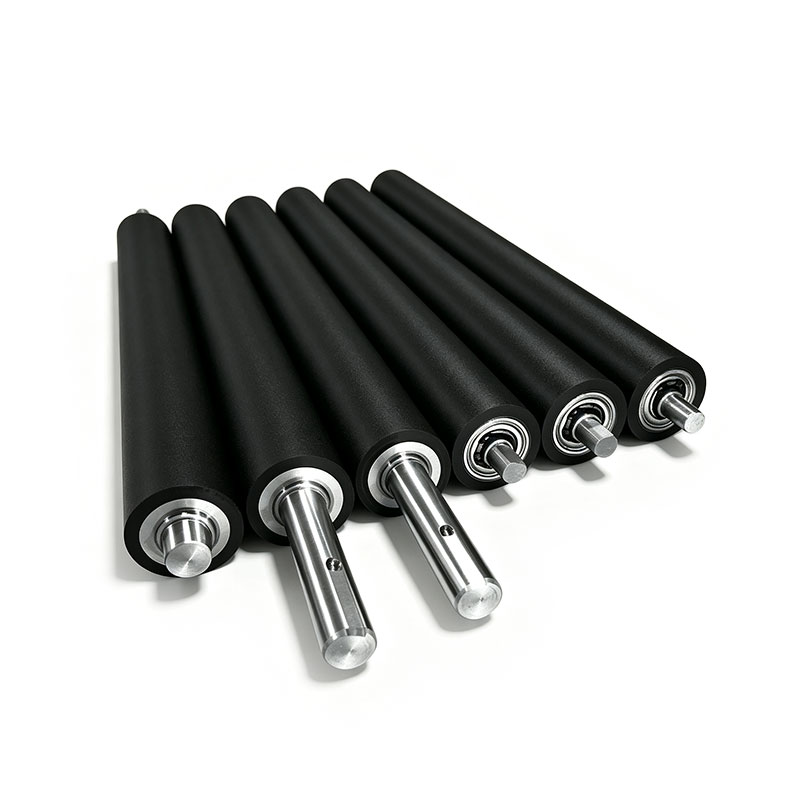
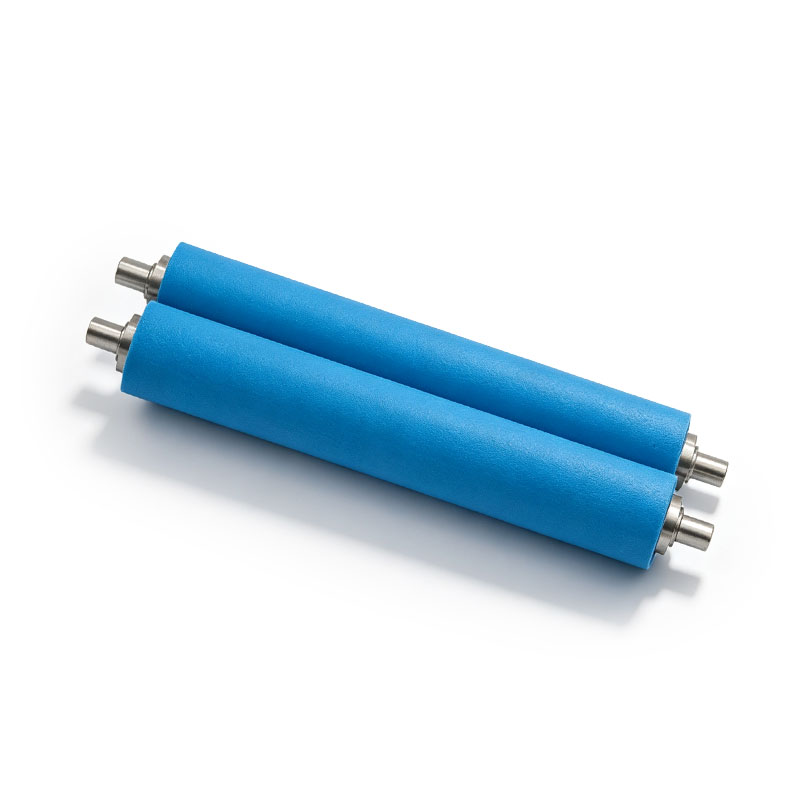
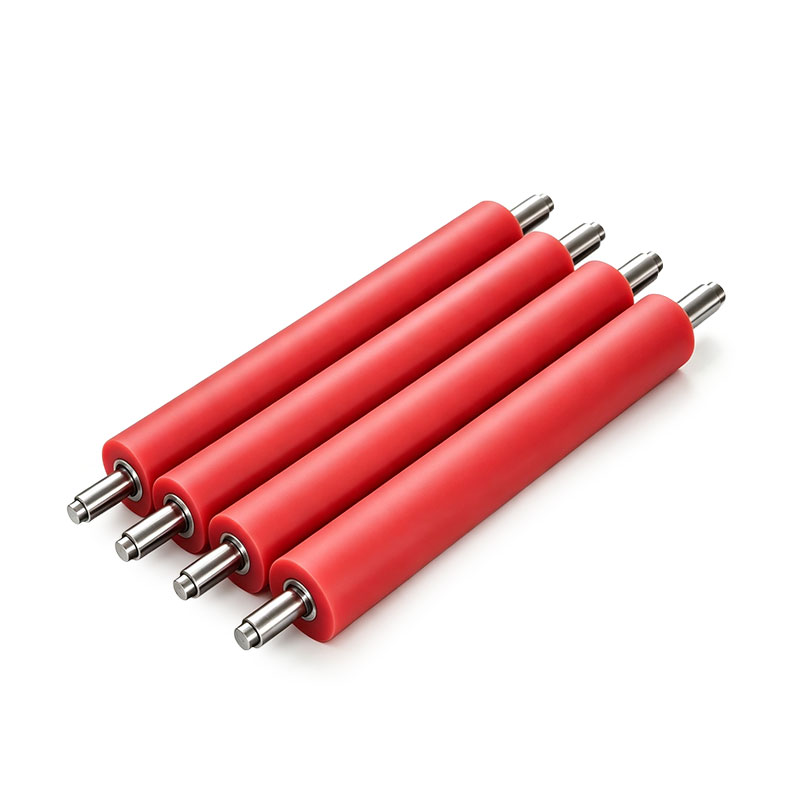
In high-speed offset printing and automated cutting applications, standard rubber rollers degrade rapidly. When exposed to oil-based printing inks, heavy lubricating oils, and specific industrial solvents, inferior elastomers will swell, soften, and lose their geometric precision, leading to catastrophic print defects or web tracking failures. Furthermore, in high-speed rotary cutting, the rubber must withstand aggressive mechanical abrasion without chunking. The AstraRoll Custom Nitrile (NBR) Rubber Roller is the definitive workhorse for these demanding chemical and mechanical environments. Formulated from premium Nitrile Butadiene Rubber, these rollers offer unmatched resistance to aliphatic hydrocarbons, mineral oils, and printing inks. Vulcanized to exact OEM specifications, our NBR rollers maintain superior dimensional stability, excellent dynamic elasticity, and high abrasion resistance, ensuring flawless ink laydown and precise web feeding over millions of machine cycles.
Roll Function: Printing Roller, Material Handling
Industry Applications: Printing, Packaging, Converting
Inquiry Email: sales@astraroll.com
Custom Nitrile Rubber (NBR) Rollers for Printing & Cutting Details
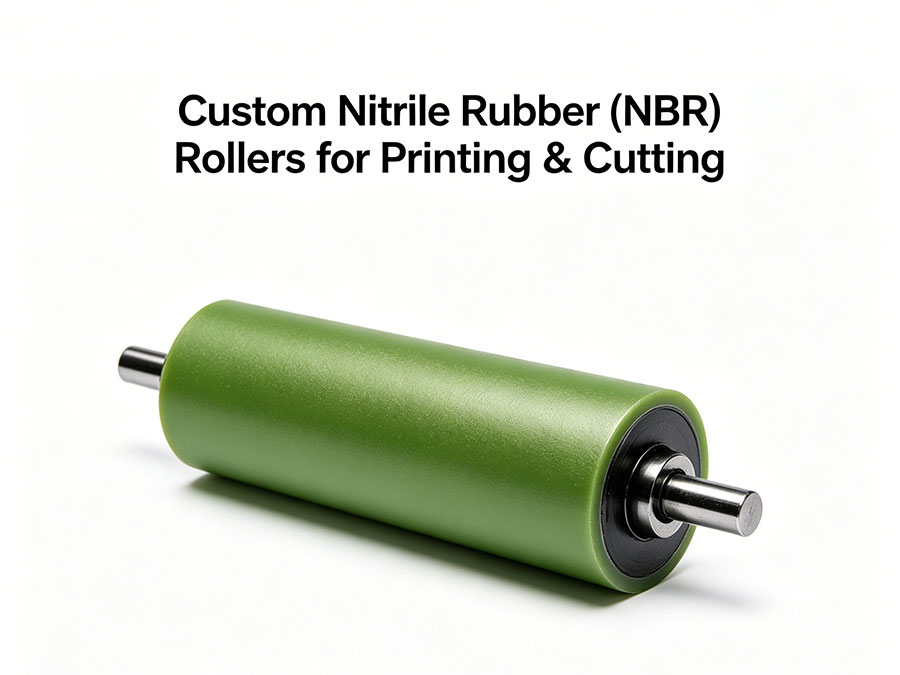
The AstraRoll Technical Advantage
We engineer our NBR rollers to deliver uncompromised stability in environments saturated with oils and inks:
Ultimate Oil & Solvent Immunity: NBR is chemically engineered to repel non-polar solvents, mineral oils, and petroleum-based inks. Unlike natural rubber or EPDM, AstraRoll NBR will not swell or degrade when continuously exposed to standard offset printing chemicals.
High-Speed Abrasion Resistance: For cutting and converting lines, feed rollers are subjected to intense friction. Our high-density NBR compounds offer exceptional tensile strength and tear resistance, drastically outlasting standard commercial rubbers under heavy mechanical loads.
Dynamic Dimensional Stability: In printing, a roller's nip pressure must remain absolute. Because our NBR matrix resists chemical swelling and exhibits excellent compression set recovery, the roller maintains its exact cylindrical shape and Shore hardness, eliminating uneven ink transfer.
Flawless CNC Grinding: A printing roller is only as good as its surface. We utilize precision cylindrical grinders to finish the NBR surface to a Total Indicator Runout (TIR) of ≤ 0.02mm, ensuring perfectly uniform contact across the entire web width.
Key Specifications
Please note: We compound the NBR and machine the core entirely to your machinery's specifications.
Outer Diameter (O.D.): Custom from 20mm up to 800mm+.
Face Length: Custom manufactured up to 5,000mm.
Hardness Range: 20 to 95 Shore A (± 3 Shore A tolerance).
Operating Temperature: -30°C to 120°C (-22°F to 248°F).
TIR (Total Indicator Runout): ≤ 0.02mm.
| Comparison Item | AstraRoll NBR Rollers |
| Vs. Natural Rubber (NR) | Oil & Ink Resistance: Natural rubber acts like a sponge around oils, swelling and deteriorating rapidly. NBR is chemically impervious to standard oil-based inks and lubricants. |
| Vs. Polyurethane (PU) | Solvent Compatibility & Cost: While PU has higher raw abrasion resistance, it reacts poorly to many printing solvents and inks. NBR offers the perfect balance of chemical resistance, wear life, and cost-effectiveness for the printing industry. |
Why Choose AstraRoll?
1. Application-Specific Hardness Tuning
The requirements for a printing roller versus a cutting roller are vastly different. If you need an ink-form roller, AstraRoll will blend a softer NBR (e.g., 30-40 Shore A) for a delicate, uniform ink kiss. If you need a pull-roller or a cutting anvil, we will formulate a dense, high-durometer NBR (e.g., 80-90 Shore A) that aggressively grips the web and resists blade impact.
2. Factory-Direct Stripping & Re-Vulcanization
NBR rollers are industrial consumables. When your printing or cutting rollers eventually glaze over, harden, or wear out of tolerance, do not discard the metal shafts. Ship them to the AstraRoll facility. We will strip the old elastomer, chemically treat the core, and re-vulcanize a fresh layer of premium NBR at a fraction of the cost of buying a completely new assembly.
Frequently Asked Questions (FAQs)
Q: Can NBR rollers handle UV-cured printing inks?
A: Standard NBR is excellent for traditional oil-based and solvent-based inks, but it can be sensitive to the aggressive monomers found in UV inks, which may cause the rubber to swell. If you are running a dedicated UV printing line, please inform our engineers; we will recommend an EPDM rubber compound, which is specifically designed for UV ink chemistry.
Q: Are NBR rollers suitable for high-temperature laminating?
A: NBR performs exceptionally well in ambient and moderate-heat environments (up to 120°C / 248°F). However, if your laminating or pressing process exceeds 150°C, NBR will harden and crack. For those high-heat applications, you must upgrade to an AstraRoll High-Temp Silicone Roller.
Q: Why does my current rubber feed roller keep losing its grip on the paper?
A: Over time, paper dust, ink varnishes, and machine oils create a hard, slick "glaze" over the microscopic pores of the rubber. Regular cleaning with approved NBR-safe wash is required. If the glaze is permanent, AstraRoll can re-grind the surface or re-cover the roller entirely to restore its original high-friction traction.
Q1. Are you a trader or direct factory?
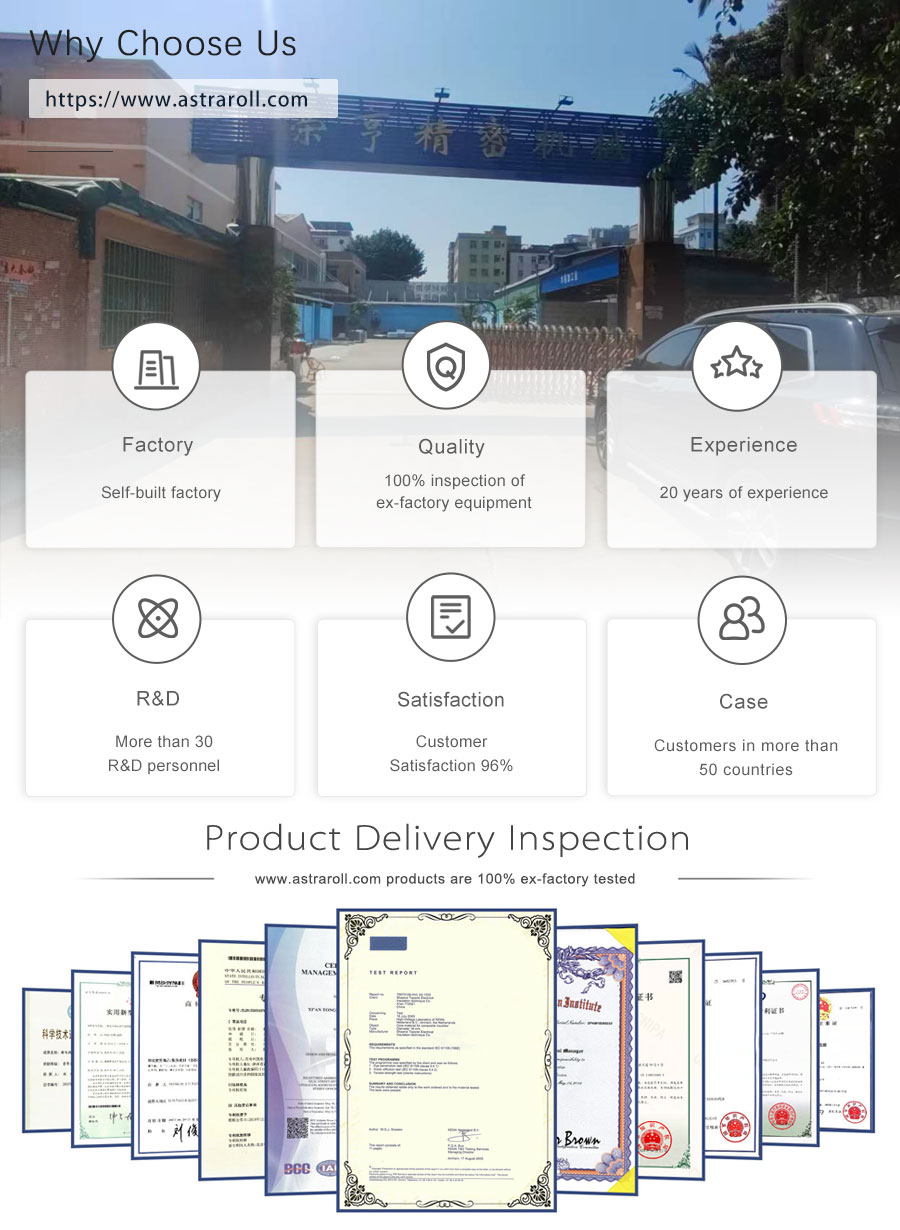
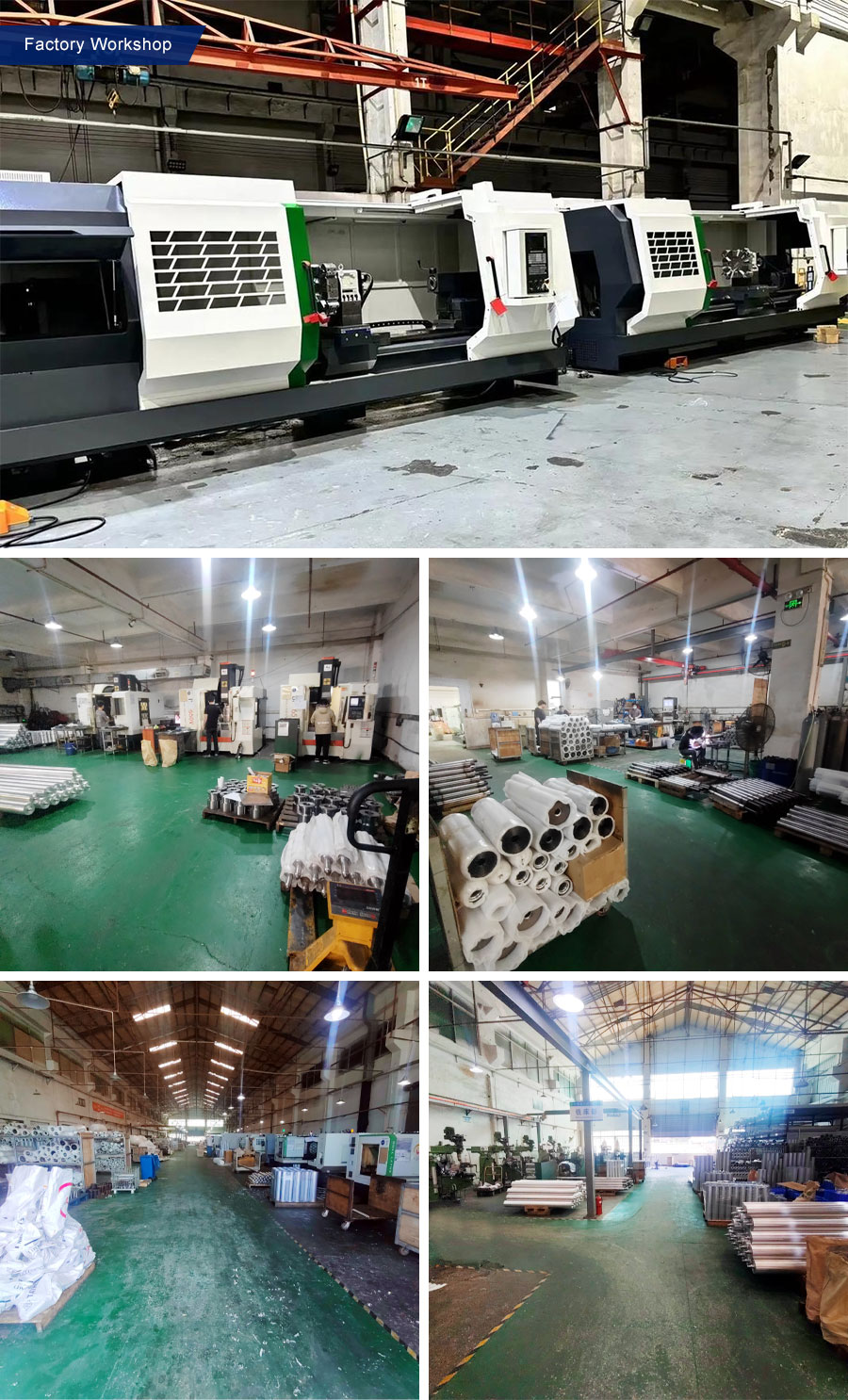
We are a direct manufacturing factory with over 20 years of expertise in high-end industrial rollers, casters and material handling solutions. Our facility operates with ISO-certified quality management systems, allowing us to maintain full control over production cycles and quality standards. Throughout two decades of growth, we have established deep, long-term strategic partnerships with several listed companies and global automation leaders, proving our reliability as a high-tier industrial supplier.
Q2. What are your main products?
AstraRoll specializes in the engineering and production of three core product lines: Industrial Rollers, Heavy-Duty Wheels, and Precision Casters. We do not just sell components; we provide integrated movement and transport solutions. Our products are widely utilized across high-demand sectors, including: New Energy, Lithium Battery, Mining, Heavy Industry, Medical Institutional, Agriculture and Logistics.
Q3. What about delivery time?
We deeply understand that project timelines are critical.
Standard Products: Usually dispatched within 7–15 working days if the components are in stock.
Customized/OEM Orders: Depending on the complexity and volume, the lead time typically ranges from 20–35 days. This includes time for technical drawing confirmation, specialized tooling, and rigorous pre-shipment testing.
Shipping Methods: We offer flexible global logistics solutions, including FOB and CIF terms. We ship via Sea Freight (for bulk industrial orders), Air Freight (for urgent project needs), and International Express (DHL/FedEx/TNT) for smaller components or samples.
Q4. How can I get a quote for customized products?
Since a significant portion of our business involves specialized engineering, pricing is tailored to your specific technical requirements. To provide an accurate quote, please provide the following details: Technical Drawings or Sketches, Application Environment, Quantity, Special Requests. Our engineering team typically reviews and responds to custom inquiries with a formal quotation within 24–48 hours.
Q5. What is your payment?
TT / Paypal / Western Union / LC / Credit Card etc. are all available to us.