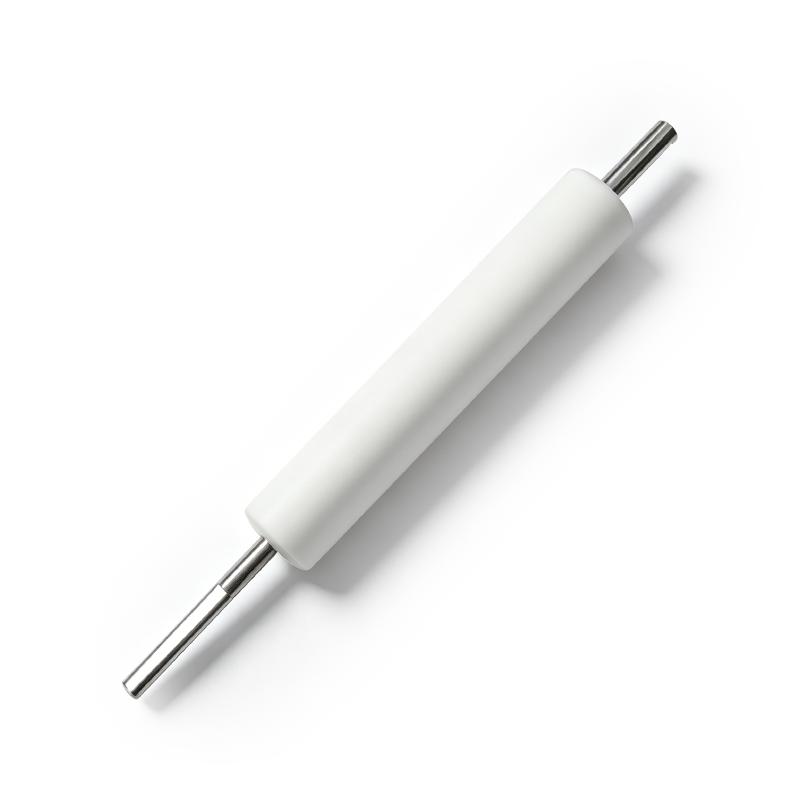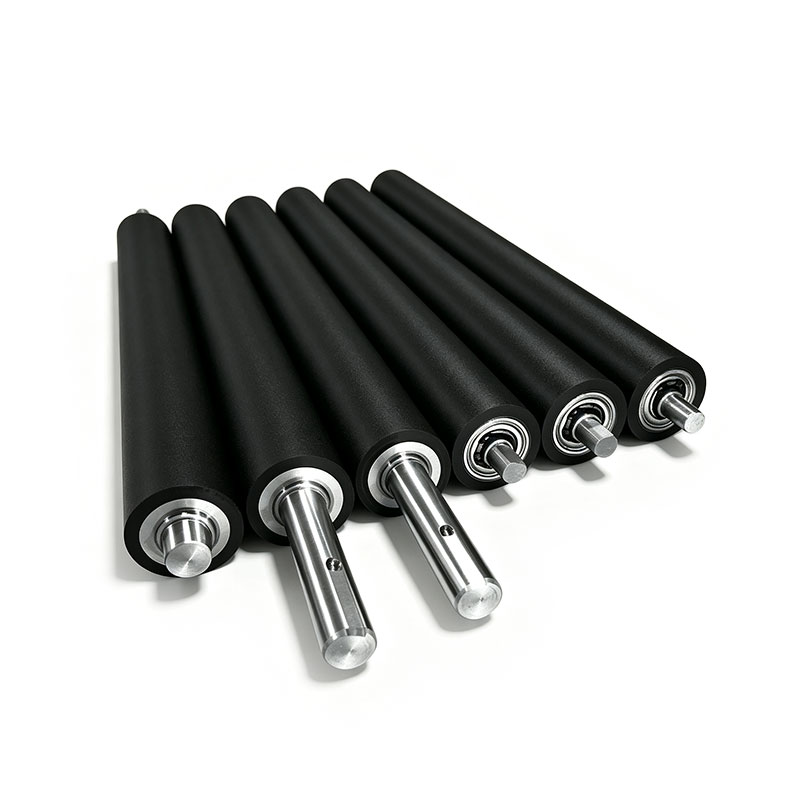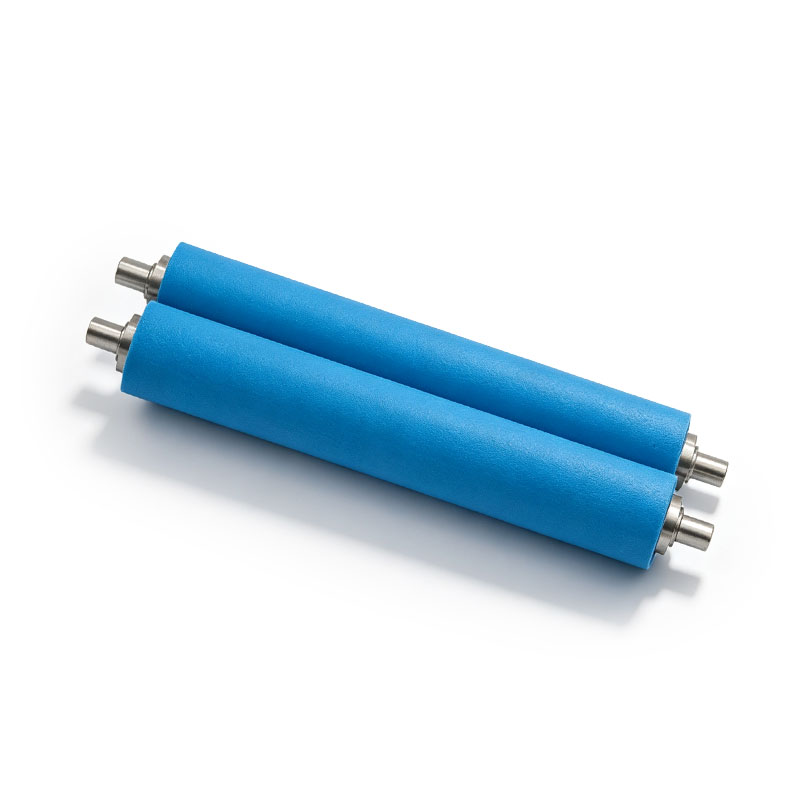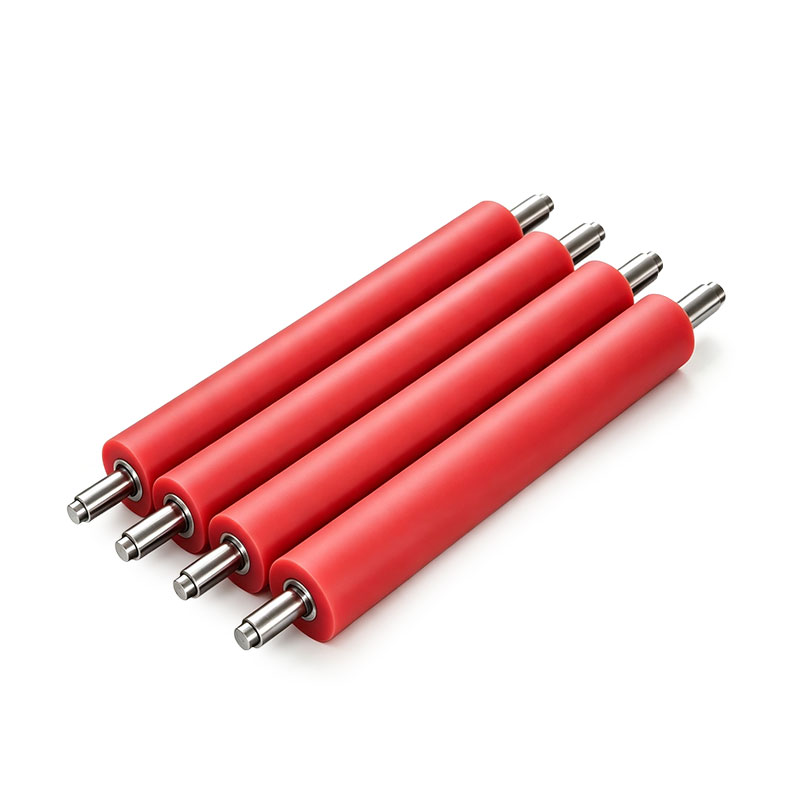
Heavy-Duty Rubber Lagging Rollers for Bulk Material Handling
Product Overview:
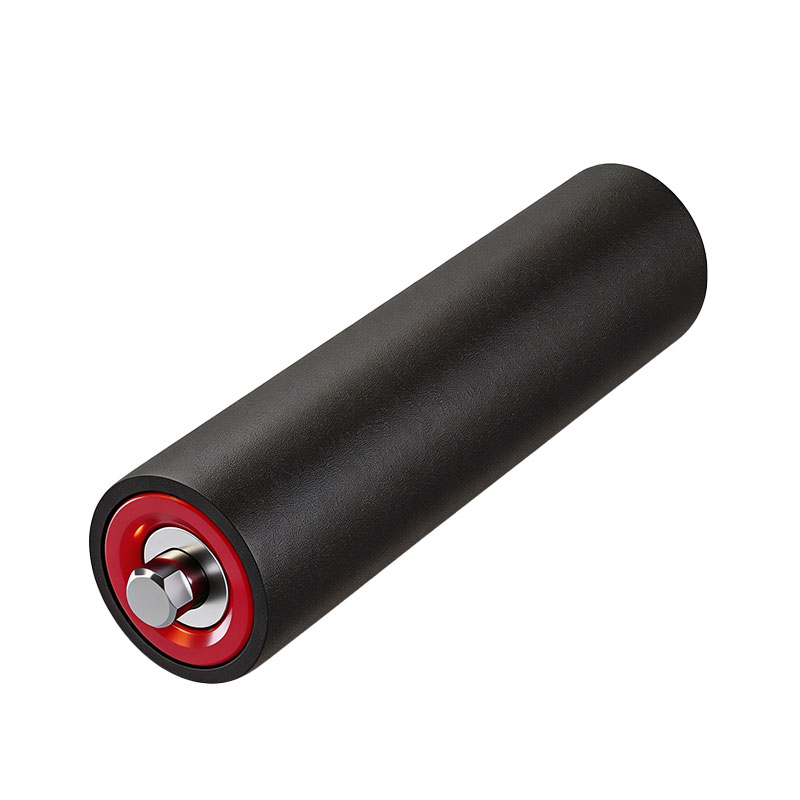
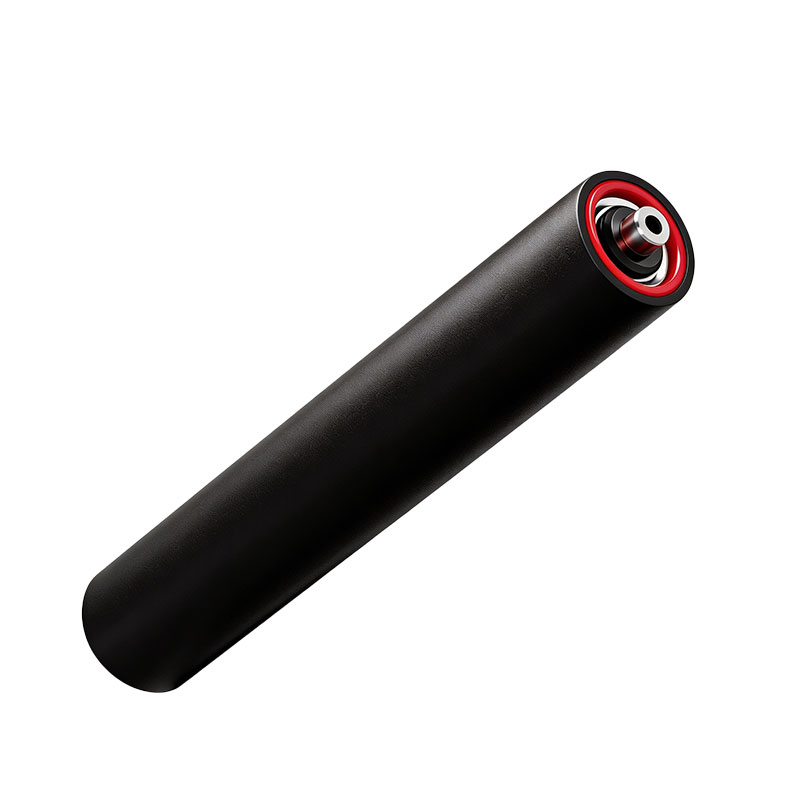
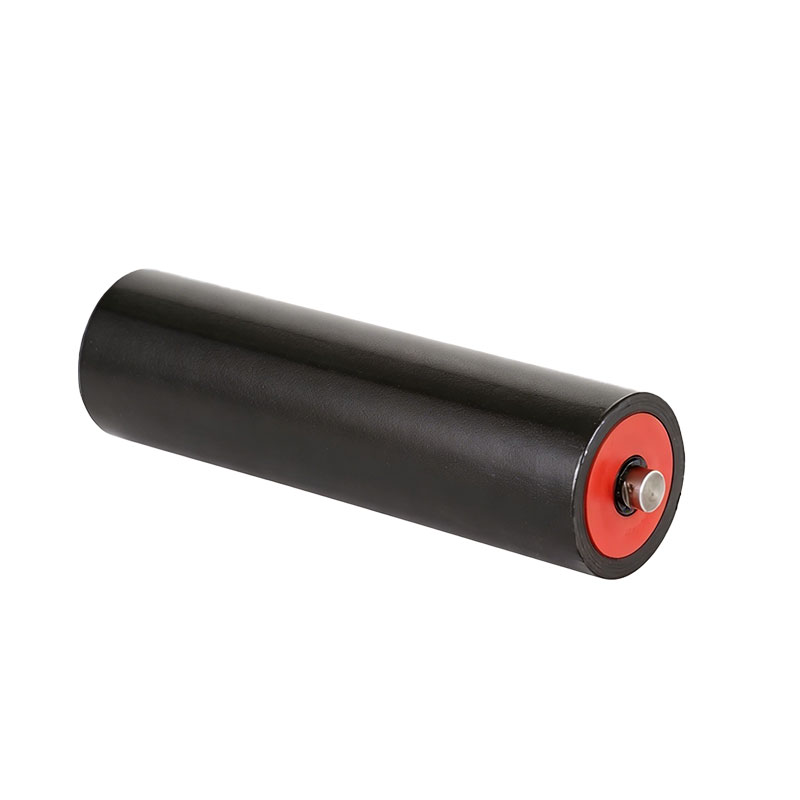
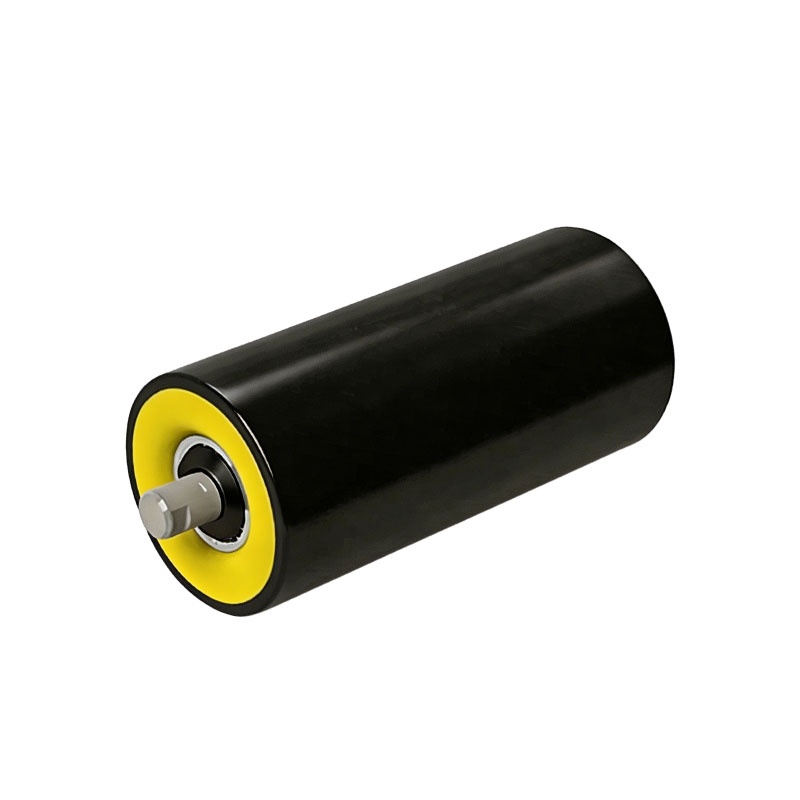
In massive bulk material handling environments—such as open-pit mines, cement plants, and grain terminals—conveyor systems operate under immense tension and harsh weather. When a bare steel drive pulley encounters wet, muddy, or dusty conditions, it loses grip. This causes severe belt slippage, which halts production, generates dangerous friction heat, and rapidly destroys the expensive conveyor belt. The AstraRoll Heavy-Duty Rubber Lagging Roller is engineered to eliminate this operational bottleneck. By permanently hot-vulcanizing a thick layer of high-friction rubber to the steel shell, these pulleys drastically increase the coefficient of friction, guaranteeing positive belt drive even under heavy load. Furthermore, specialized CNC-cut patterns (like Diamond or Herringbone) aggressively channel water, mud, and debris away from the belt interface. This rubber lagging acts as a resilient, sacrificial shield, protecting the steel core from abrasive wear and extending the lifespan of your entire conveyor infrastructure.
Roll Function: Conveyor Roller, Material Handling
Industry Applications: Industry, Logistics Conveyor Systems, Mining, Agriculture
Inquiry Email: sales@astraroll.com
Heavy-Duty Rubber Lagging Rollers for Bulk Material Handling Details
We do not simply glue rubber to steel; we engineer a permanent metallurgical and chemical bond built to survive extreme industrial torque:
Autoclave Hot Vulcanization: Cold-glued lagging inevitably peels under the massive shear forces of a loaded conveyor belt. AstraRoll utilizes industrial autoclaves to hot-vulcanize the rubber directly onto the steel shell under extreme heat and pressure, creating a seamless, monolithic bond that will never delaminate.
Hydro-Dynamic Ejection Grooving: Our deep-cut Diamond and Herringbone patterns act as tire treads for your conveyor. Under the high pressure of the belt, these grooves squeeze out trapped water and slurry, ensuring maximum surface contact and zero hydroplaning.
Heavy-Walled Structural Integrity: A lagged pulley is subjected to immense radial tension. We utilize ultra-thick steel tubing (or rolled steel plate for massive pulleys) with fully submerged-arc welded end discs, ensuring the steel core never deflects or collapses beneath the rubber.
FRAS Safety Compliance: For explosive environments like underground coal mines or grain elevators, static electricity and friction heat are deadly. AstraRoll compounds specialized Fire Resistant Anti-Static (FRAS) rubber to meet strict international mining safety regulations.
Key Specifications
Outer Diameter (O.D.): Custom from 89mm idlers up to 1,500mm+ massive drive pulleys.
Face Length: Custom manufactured to match belt widths from 500mm up to 2,400mm+.
Rubber Hardness: 60 to 70 Shore A (Optimized for maximum grip and wear resistance).
Lagging Thickness: Custom from 10mm to 30mm.
Concentricity (TIR): Machined post-vulcanization for absolute geometric trueness.
Why Choose AstraRoll?
1. CNC Pattern Precision
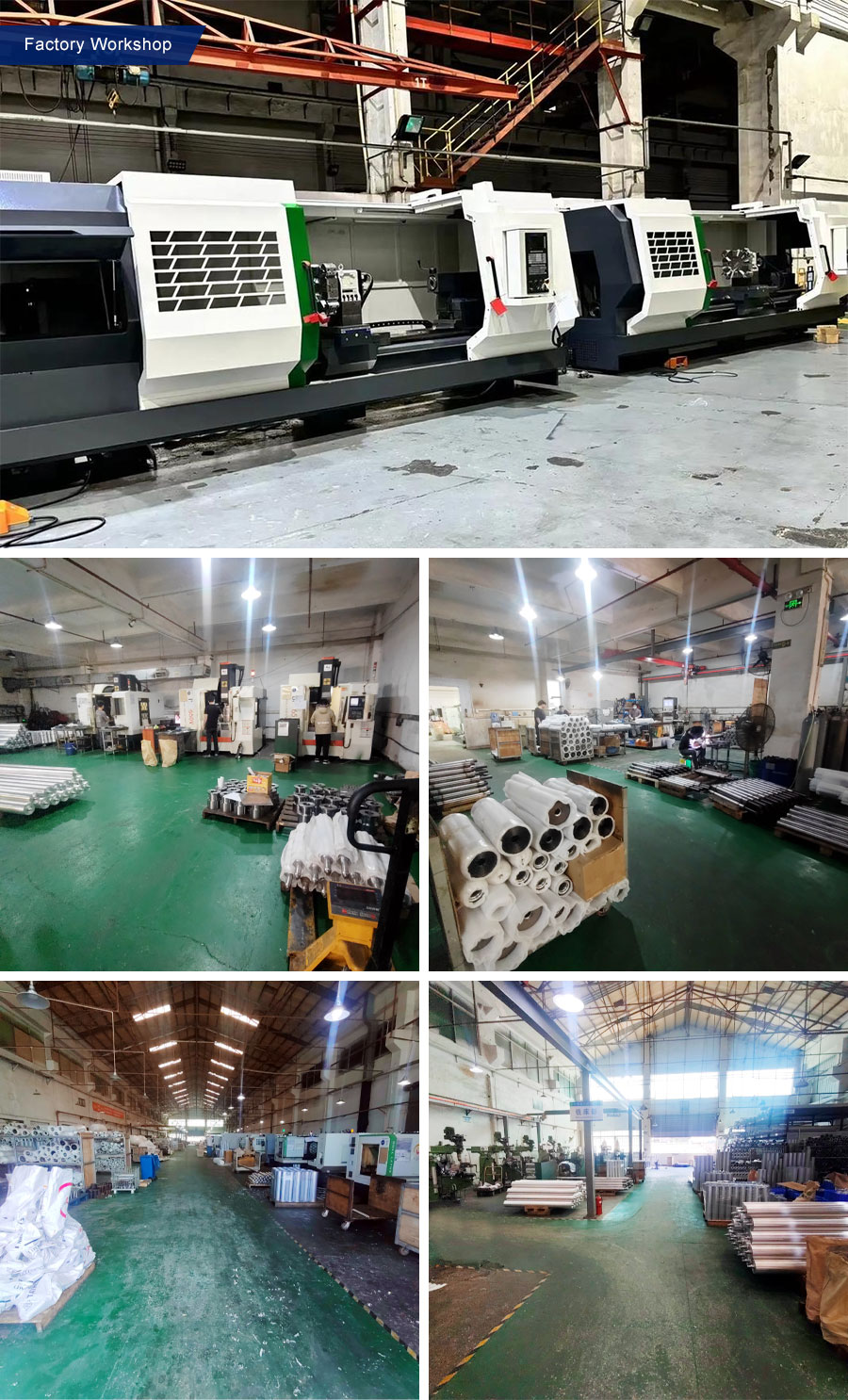
Unlike cheap molded rubber that loses its pattern depth quickly, AstraRoll applies a solid, thick layer of vulcanized rubber and then utilizes heavy-duty CNC lathes to physically cut the herringbone or diamond grooves deep into the material. This ensures clean, sharp edges that aggressively grip the belt and channel away mud.
2. Factory-Direct Pulley Refurbishment
When the rubber lagging on your massive drive pulley eventually wears down after years of crushing abrasive ore, do not scrap the expensive steel core and bearings. Ship the bare pulley back to AstraRoll. We will strip the old rubber, inspect and re-machine the steel shell, and hot-vulcanize a brand new layer of lagging, restoring the unit to OEM condition at a fraction of the cost of a new assembly.
Frequently Asked Questions (FAQs)
Q: How do I know whether to choose a Herringbone or a Diamond lagging pattern?
A: If your conveyor belt only runs in one direction, choose the Herringbone (Chevron) pattern; it offers the highest possible traction and excellent water-shedding capabilities (the "V" shape must point in the direction of belt travel). If your conveyor is reversible (runs in both directions), you must choose the Diamond pattern, which provides uniform grip and water shedding regardless of which way the belt is moving.
Q: Does adding rubber lagging mean I can lower my belt tension?
A: Yes. Because rubber lagging significantly increases the coefficient of friction between the pulley and the belt, the drive motor can transfer power much more efficiently without slipping. This allows you to run the conveyor at a lower overall belt tension, which dramatically reduces wear on your belt splices, pulleys, and bearings.
Q: Can you apply lagging to standard return rollers or just large drive pulleys?
A: We apply rubber lagging to both. While thick patterned lagging is critical for large drive pulleys, we frequently apply smooth or uniquely grooved rubber lagging to smaller return idlers to prevent sticky material (carryback) from building up on the roller and pushing the belt off-track.

Q1. Are you a trader or direct factory?
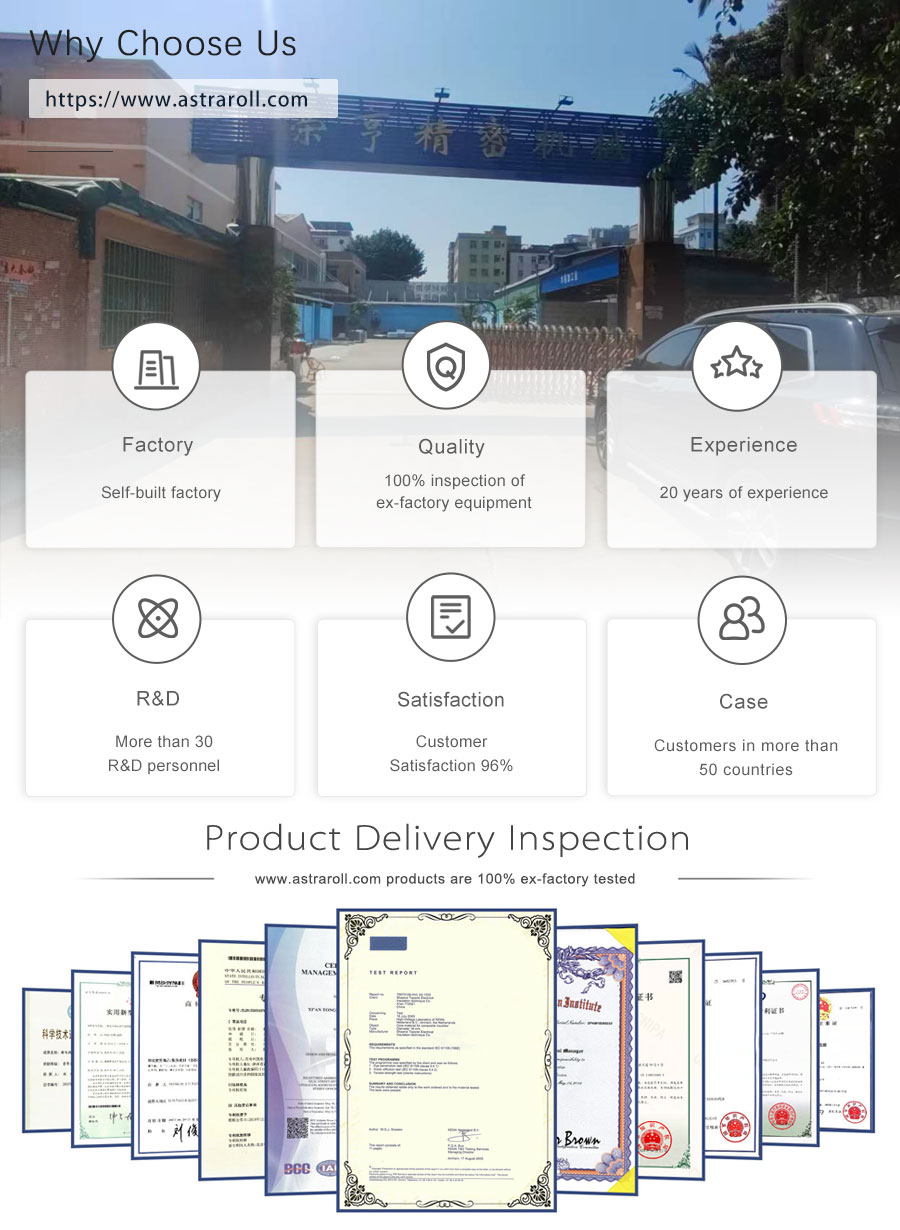
We are a direct manufacturing factory with over 20 years of expertise in high-end industrial rollers, casters and material handling solutions. Our facility operates with ISO-certified quality management systems, allowing us to maintain full control over production cycles and quality standards. Throughout two decades of growth, we have established deep, long-term strategic partnerships with several listed companies and global automation leaders, proving our reliability as a high-tier industrial supplier.
Q2. What are your main products?
AstraRoll specializes in the engineering and production of three core product lines: Industrial Rollers, Heavy-Duty Wheels, and Precision Casters. We do not just sell components; we provide integrated movement and transport solutions. Our products are widely utilized across high-demand sectors, including: New Energy, Lithium Battery, Mining, Heavy Industry, Medical Institutional, Agriculture and Logistics.
Q3. What about delivery time?
We deeply understand that project timelines are critical.
Standard Products: Usually dispatched within 7–15 working days if the components are in stock.
Customized/OEM Orders: Depending on the complexity and volume, the lead time typically ranges from 20–35 days. This includes time for technical drawing confirmation, specialized tooling, and rigorous pre-shipment testing.
Shipping Methods: We offer flexible global logistics solutions, including FOB and CIF terms. We ship via Sea Freight (for bulk industrial orders), Air Freight (for urgent project needs), and International Express (DHL/FedEx/TNT) for smaller components or samples.
Q4. How can I get a quote for customized products?
Since a significant portion of our business involves specialized engineering, pricing is tailored to your specific technical requirements. To provide an accurate quote, please provide the following details: Technical Drawings or Sketches, Application Environment, Quantity, Special Requests. Our engineering team typically reviews and responds to custom inquiries with a formal quotation within 24–48 hours.
Q5. What is your payment?
TT / Paypal / Western Union / LC / Credit Card etc. are all available to us.