
Conveyor Belt System
A conveyor line is only as good as the belt that carries it - and the rollers beneath it that keep it true. AstraRoll has built its name as a manufacturer of conveyor rollers and pulleys; our conveyor belt range completes the system. Supplied in PVC, PU, rubber and specialty compounds, with custom widths, lengths, cover patterns and endless or laced jointing, our belts are matched to the exact duty of your line - food handling, heavy mining, logistics, or precision manufacturing. Because belt and roller are engineered together under one roof, you get a matched set that tracks straight, lasts longer and is backed by a single supplier. Send us your belt dimensions and your working conditions - we will recommend the right construction and deliver it, cut to your machine.
Conveyor Belt System FAQs
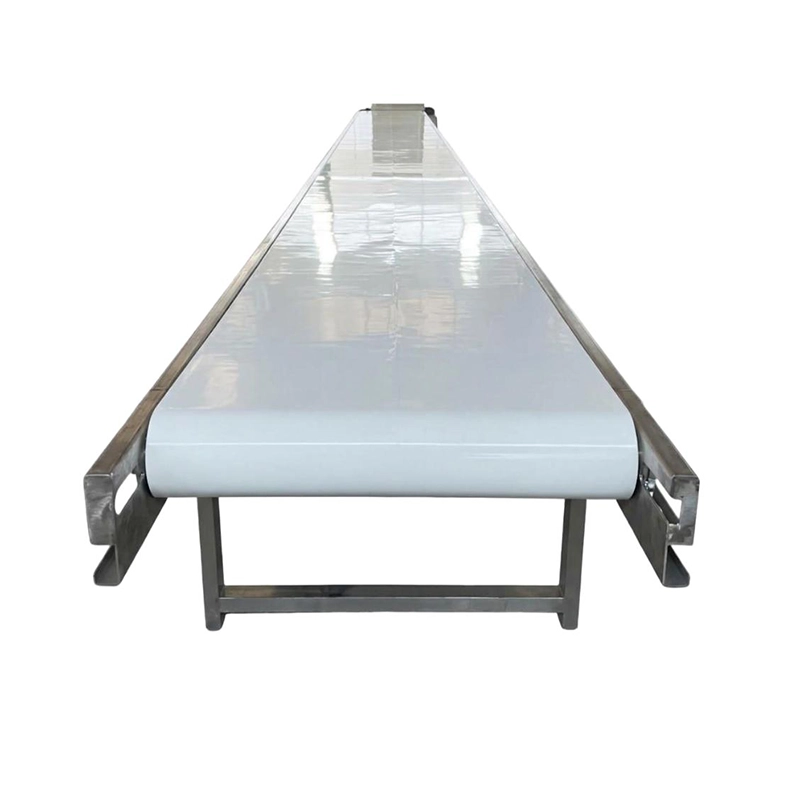
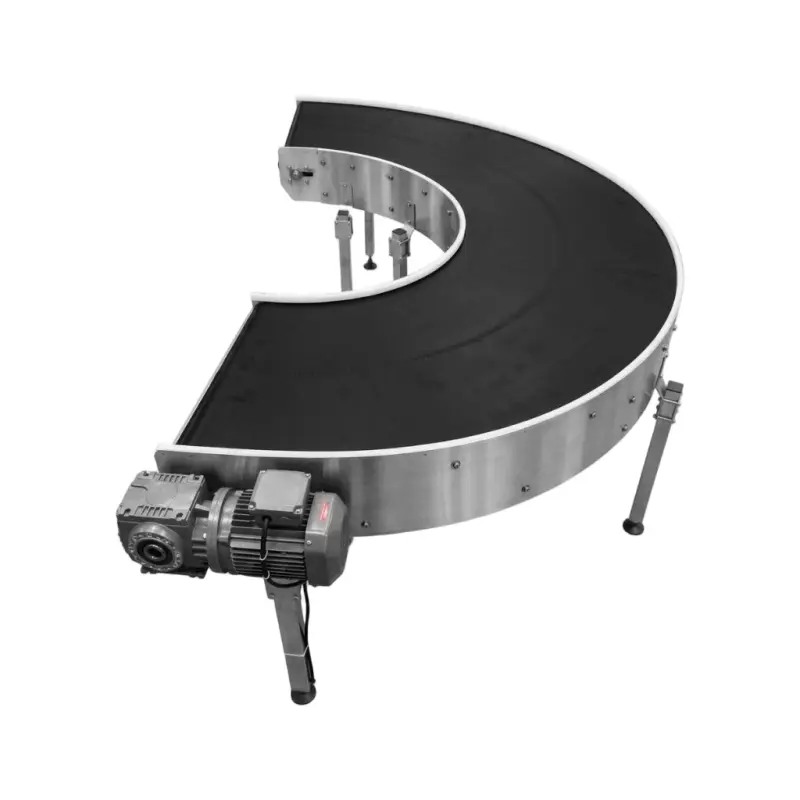
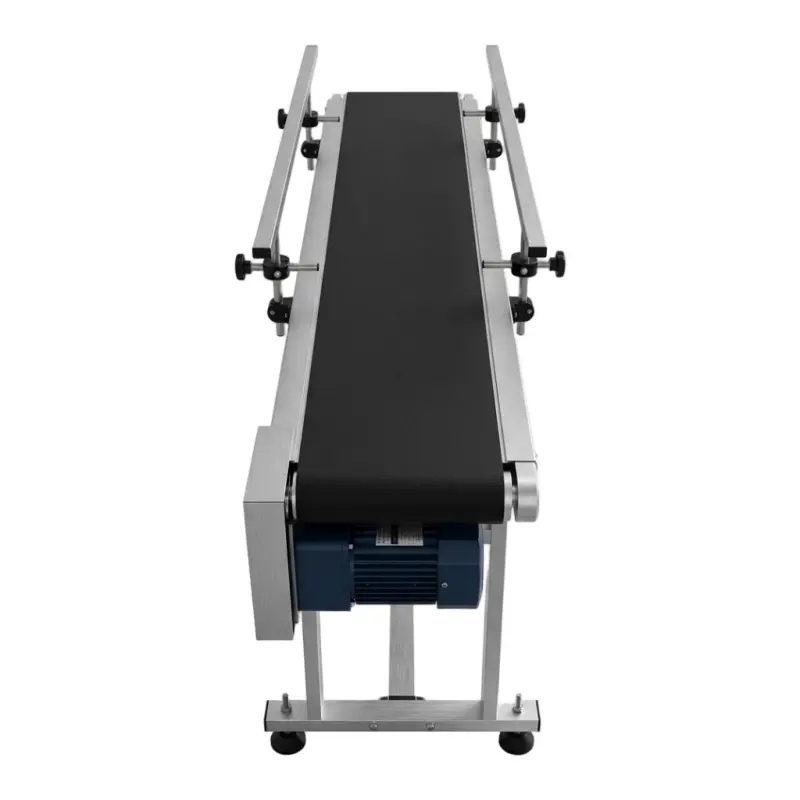
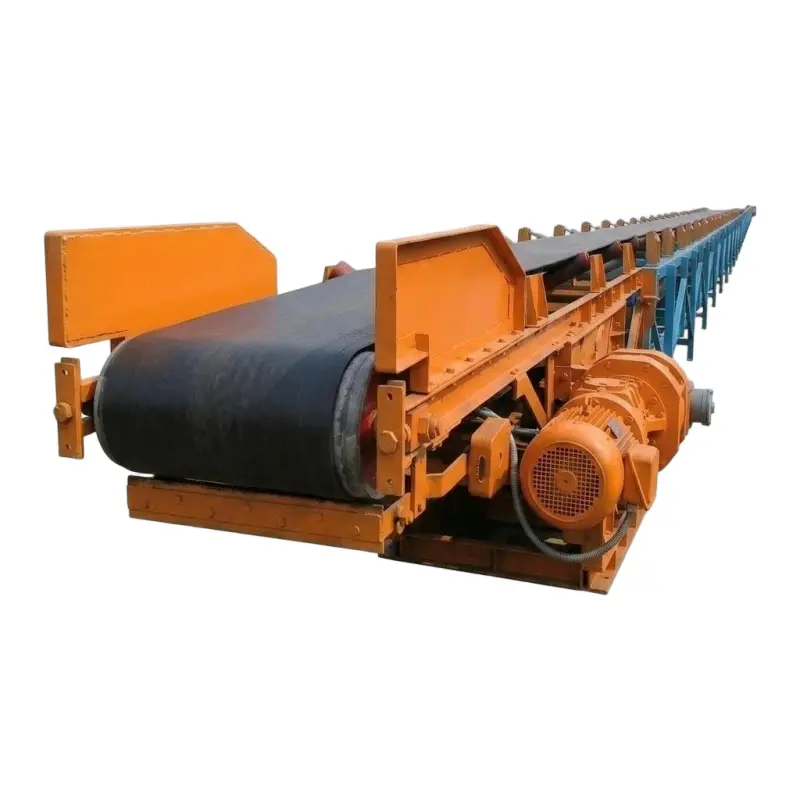
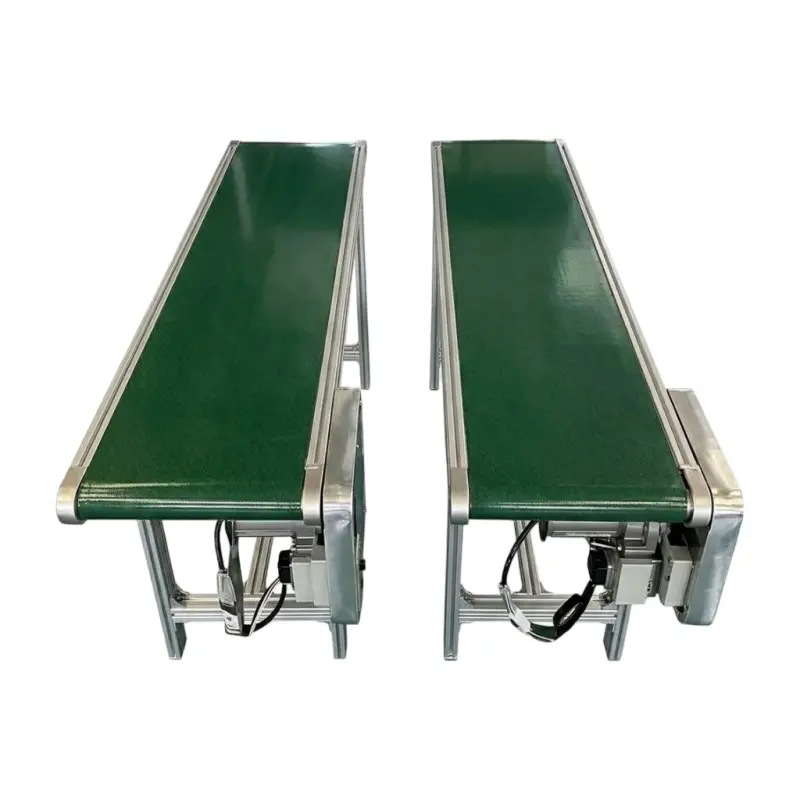
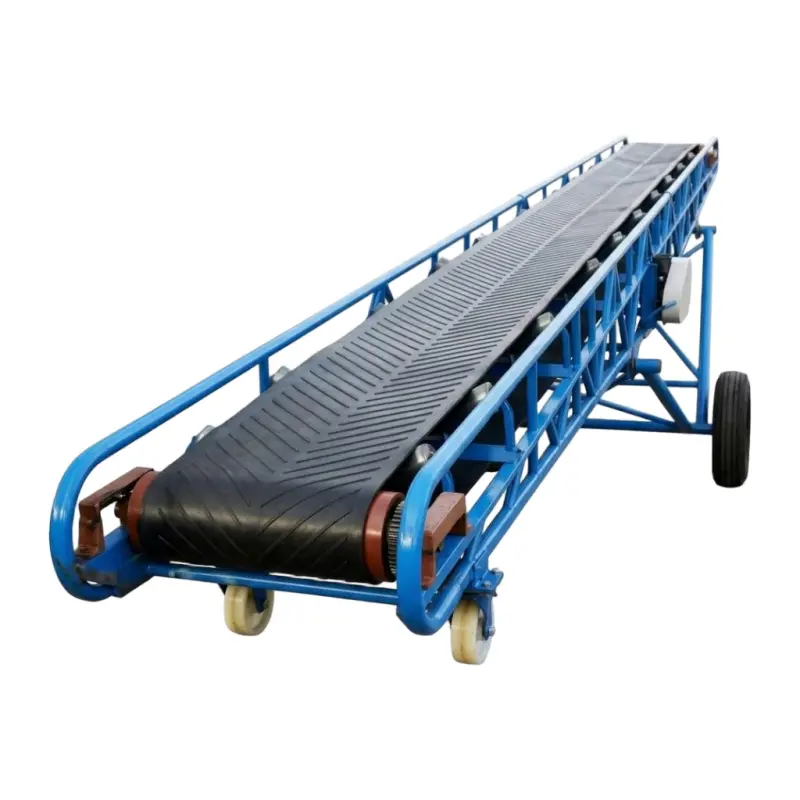
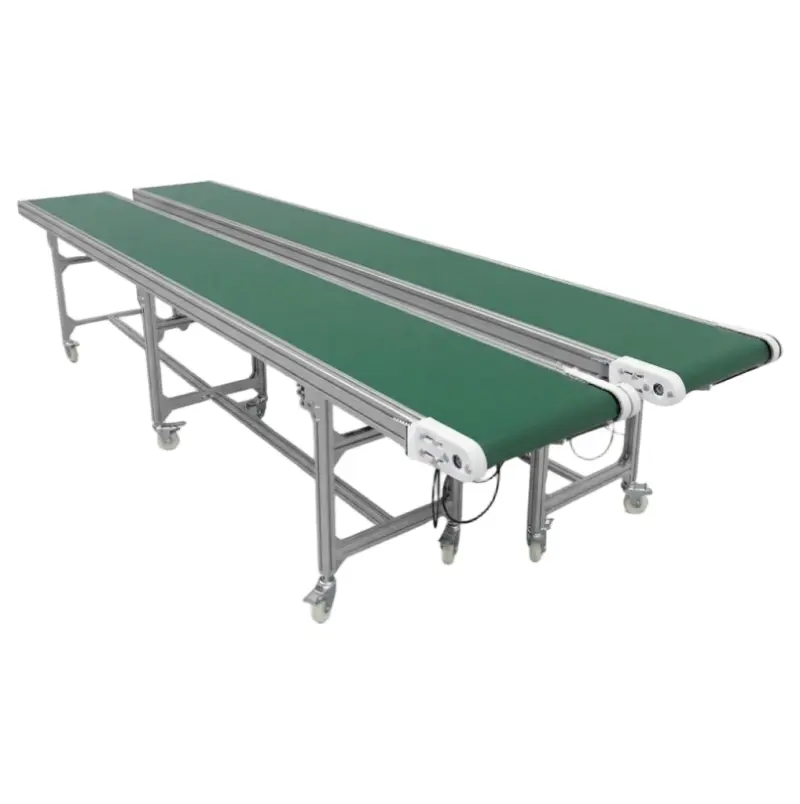
We supply the three main families of conveyor belting: PVC belts (smooth or textured) for general logistics, light industry and incline conveying; PU belts for food processing and hygienic applications, where the belt must be washable and comply with food-contact requirements; and rubber belts, with plain, chevron or rough-top covers, for heavy-duty handling - aggregate, mining, abrasive goods and steep inclines. We also carry specialty compounds for heat, oil and static-sensitive environments. Send us your material, weight, speed and conditions, and we will recommend the construction rather than make you guess.
Yes - custom is the norm. We cut and joint belts to your exact width (typically from 200 mm up to 2,000 mm or more) and length, with three jointing options: endless (hot-spliced or vulcanised), mechanical lacing, or open ends for on-site fitting. We also add cleats, guides and side walls where your application needs them. If you send us a drawing, a sample or simply your machine's belt dimensions, we will confirm the specification within two working days.
Yes - and this is the point of a full-system supplier. Our belts are engineered to run on our own idler, drive and pulley rollers, with matching diameters, tracking and tension specifications. Buying belt and rollers from one factory means the components are designed to work together, the warranties come from one source, and you avoid the classic mismatch problems of belt-and-roller systems bought separately.
For standard PVC and PU belts, MOQ is typically one belt - we are happy to supply a single custom piece for a line repair or prototype. Lead time is usually 7–15 working days depending on width and jointing. For rubber and specialty belts, MOQ and lead time depend on the compound and construction - typically 2–4 weeks after specification confirmation. Samples and small trial orders are welcomed before you commit to bulk.
Absolutely. Send us your old belt (or its photo and measurements - width, thickness, length, cover pattern, joint type), and our engineers will match the construction - material, ply, cover and friction surface - so the replacement drops straight onto your machine. This reverse-engineering service is one of the most common ways new customers start working with us.
What you may want to know about Conveyor Belt System
Conveyor Belt Selection Knowledge: What Every Buyer Should Know
Belt vs. roller - why the system matters more than the parts. A conveyor is a matched system: the belt delivers the load, the rollers support and track it, and the drive pulley transmits the power. When belt and rollers are specified independently, the classic faults appear - mistracking, edge wear, premature belt failure and energy loss. Specifying them together, with matched diameters, crown profiles and tension ratings, is the single most reliable way to extend belt life and cut maintenance downtime.
Reading a belt specification. A conveyor belt is described by four core parameters: width (the usable carrying width), thickness and ply (the carcass layers that carry the tension), cover material and thickness (the surface that touches the load - smooth, textured, chevron, rough-top), and joint type (endless, laced, or open ends). Get these four right and the belt will run straight and long; get one wrong and you are troubleshooting from day one.
PVC, PU or rubber - the practical rule of thumb.
| Application | Recommended belt |
|---|---|
| General logistics, parcels, light manufacturing | PVC - smooth or textured, good abrasion resistance, economical |
| Food, pharmaceutical, hygienic wash-down lines | PU - non-toxic, washable, no absorption of fats and odours |
| Heavy goods, mining, abrasive or steep-incline handling | Rubber - plain, chevron or rough-top covers, high tear and impact resistance |
Jointing affects everything. An endless belt (hot-spliced or vulcanised) runs smoothest and lasts longest - the joint is as strong as the belt itself and there is no fastener to catch on scrapers. Mechanical lacing is faster to fit and easy to replace on site, at the cost of some smoothness and a shorter service life. Choose by your changeover needs: food and precision lines favour endless; rugged field service often favours lacing.
Do not forget belt tracking. A belt that drifts sideways is usually not a belt problem - it is a system problem: roller alignment, crown profile, load centring or tension imbalance. A correctly specified belt-and-roller set, installed to the manufacturer's alignment tolerances, tracks straight with minimal adjustment.
Additional Common Questions
What is the difference between endless and laced belts - which should I order?
Endless belts are vulcanised or hot-spliced into a continuous loop, giving the smoothest run and longest life - ideal for food, printing and high-speed lines. Laced belts use metal fasteners and can be fitted and replaced quickly on site, which suits rugged or remote installations. If you are unsure, tell us how the belt is installed on your machine and we will recommend the right joint.
Can a conveyor belt be repaired rather than replaced?
Minor edge damage and small cover cuts can often be repaired with vulcanised patches or repair compounds, and worn joints can be re-spliced. We can advise on repairability from photos; if the carcass is damaged or the belt has stretched unevenly, replacement is usually the more reliable choice - and we can supply a like-for-like belt cut to your dimensions.
Do you supply belts for food contact?
Yes. Our PU and food-grade PVC belts are manufactured with FDA-compliant and EU-compliant food-contact materials, with smooth, washable surfaces that resist fats and cleaning agents. Let us know your market's certification requirements and we will confirm the grade before production.
What information do you need to quote my belt?
Four things: width, belt length or roll length, material/application (what you are carrying and at what temperature), and joint preference. If you have an old belt, its photo and thickness measurement speed everything up. With those details, you will usually receive a specification review and quote within two working days.
How do belt and roller sizes match?
The belt width and the roller face width should be matched to your load profile - the load should sit within the central portion of the belt, and the rollers should support the belt edge-to-edge without overhang. Our engineers check this automatically when you order belt and rollers together, so the set arrives as one specification.