
Corona Treatment Rollers
AstraRoll manufactures precision corona treatment rollers for film, foil, paper and packaging lines where reliable surface activation and consistent web handling are critical. We offer custom roller cores with silicone, rubber or ceramic-based coverings, precision machining, dynamic balancing and shaft designs matched to your existing corona station. Each roller is built to maintain concentricity, insulation integrity and smooth rotation, helping improve treatment uniformity and reduce downtime.
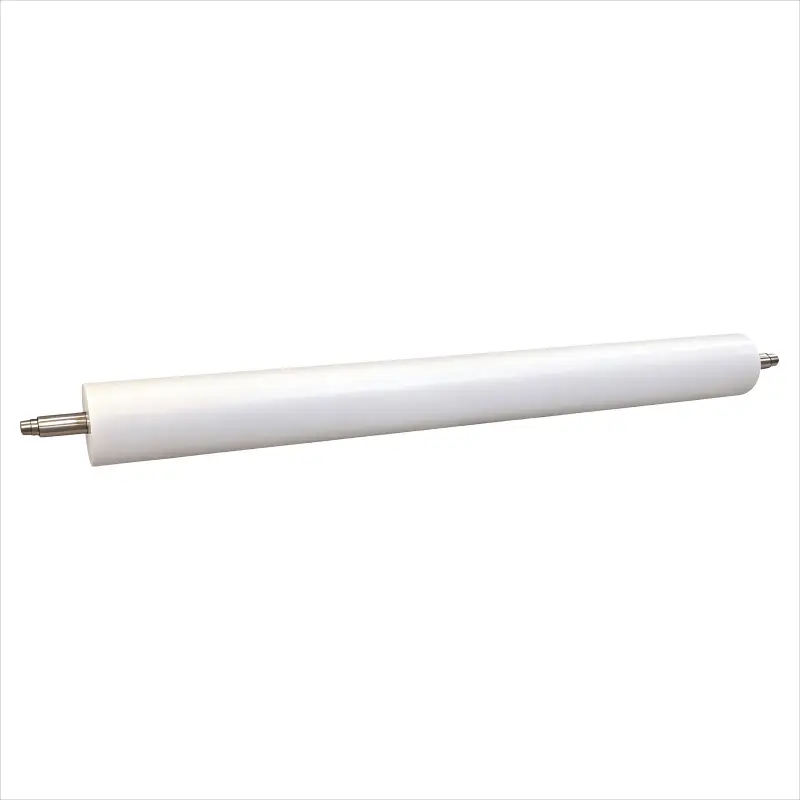
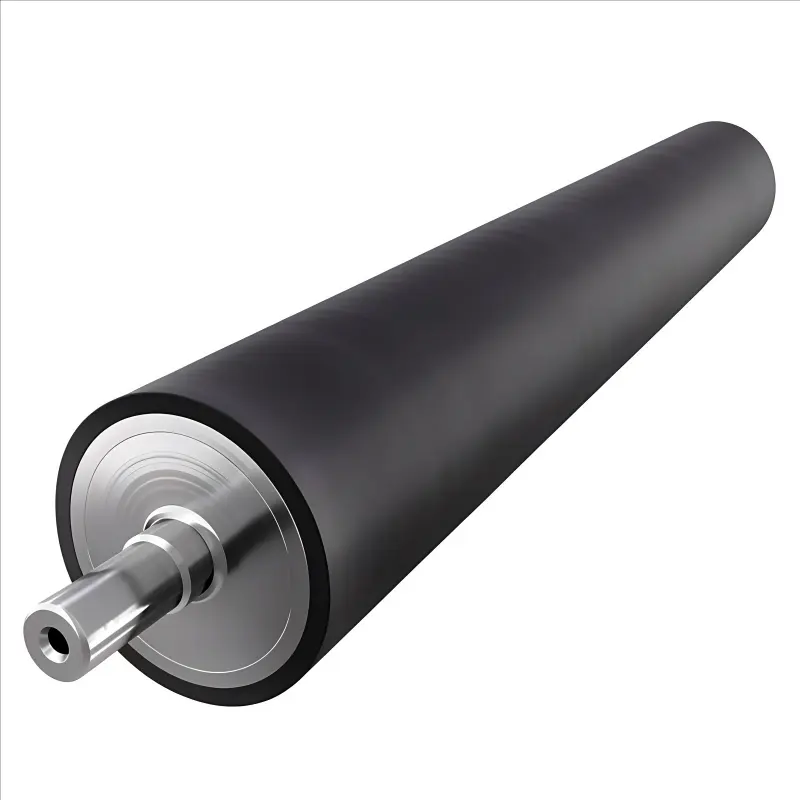
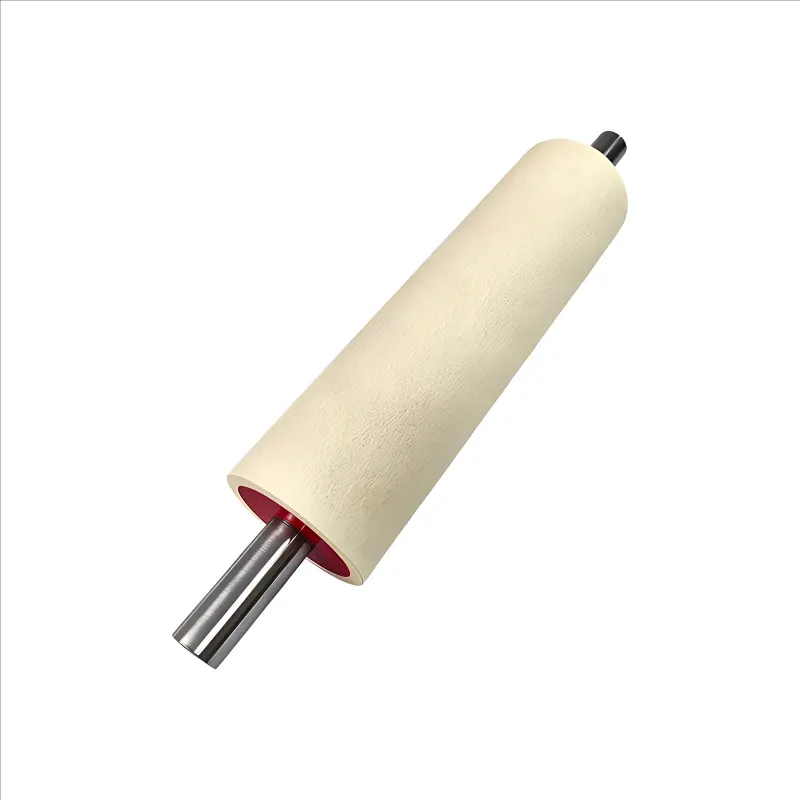
Corona Treatment Rollers FAQs
A corona treatment roller works with the corona electrode/station to support the web and help create a controlled corona discharge on film, foil or paper surfaces. This improves surface energy and adhesion before printing, coating or lamination.
It depends on your line voltage, web material, temperature, ozone exposure and wear conditions. Silicone is commonly used for dielectric/ release performance; rubber grades can suit specific grip or cost requirements; ceramic-based solutions may be considered for demanding wear or dielectric applications. AstraRoll can recommend the covering based on your application.
Yes. We can customize diameter, face length, shaft design, bearing seats, surface finish and covering according to your drawings or sample dimensions. Please provide the web width, line speed, voltage/electrode setup and existing roller data for review.
We machine roller cores to tight tolerances, perform dynamic balancing for high-speed operation, and control the covering process to maintain surface uniformity. For corona applications, insulation integrity and covering quality are reviewed according to your electrical and environmental requirements.
Common causes include ozone exposure, heat, web abrasion, contamination and electrical stress. Regular inspection of the covering, bearings and shaft, plus cleaning and timely replacement of worn coverings, helps maintain treatment uniformity and avoid line downtime.
What you may want to know about Corona Treatment Rollers
What Is a Corona Treatment Roller?
A corona treatment roller is a precision roller used in a corona treatment station to support the web and work with the electrode system to create a controlled corona discharge. In many corona stations, the roller acts as a dielectric-covered ground roll: a high-voltage electrode ionizes the air gap, generating plasma that raises the surface energy of film, foil, paper or nonwoven surfaces. Higher surface energy improves wettability and adhesion before printing, coating, lamination or bonding.
Because the roller sits at the center of the electrical field, it must combine dimensional precision with reliable dielectric covering, ozone and heat resistance, smooth rotation and consistent concentricity. A poorly made corona treater roller can cause uneven treatment, web wrinkling, covering wear and unnecessary line downtime.
How Corona Treatment Works
- The web passes over the corona treatment roller.
- A high-voltage electrode creates a controlled discharge in the air gap.
- The corona plasma modifies the surface chemistry and increases surface energy.
- The treated surface accepts ink, coating or adhesive more uniformly.
- The roller must maintain insulation integrity, uniform covering thickness, low runout and stable rotation.
The exact roller construction depends on your corona station design, line voltage, web material, line speed, temperature and ozone exposure.
How We Manufacture Corona Treatment Rollers
At AstraRoll, every custom corona treatment roller is built through an integrated manufacturing process:
- Core material selection - steel or aluminum cores are selected according to strength, weight, line speed and mounting requirements.
- Precision CNC machining - roller journals, bearing seats and mounting faces are machined to tight tolerances, with accuracy down to 0.01 mm where required.
- Shaft and bearing seat machining - custom shaft designs, bearing seats and drive details are matched to your drawings or sample roller.
- Surface preparation and covering - silicone, rubber/EPDM, PU or other specified dielectric coverings are applied with controlled thickness. Specialty ceramic or composite options can be reviewed against your electrical and wear requirements.
- Curing and bonding - the covering is cured and bonded to the core to support stable performance in continuous operation.
- Precision grinding - the covering is ground for uniform thickness, roundness and surface profile.
- Dynamic balancing - rollers are balanced to ISO 21940 G2.5 or G1.0 grades for smooth high-speed operation.
- Quality inspection — dimensional accuracy, concentricity, covering thickness, hardness, surface finish and balancing records are checked before dispatch.
AstraRoll Advantages for Corona Treatment Rollers
- Fully integrated manufacturing - from raw aluminum and steel cutting to CNC turning, VMC milling, dynamic balancing and surface coating, we control the key processes in-house.
- Micron-level precision - roller cores up to 2500 mm in length can be machined to a strict 0.01 mm tolerance, helping minimize total indicator runout and maintain even web contact.
- High-speed dynamic balancing - ISO 21940 G2.5 or G1.0 balancing grades help reduce vibration, bearing load and chatter at production speeds.
- Advanced surface engineering - silicone, PU, EPDM, hard chrome and tungsten carbide options are available; covering selection is reviewed against corona environment, web material and wear conditions.
- Bespoke OEM/ODM engineering - we customize diameter, face length, shaft design, bearing seats, covering, surface finish and balancing grade from your CAD drawings or sample dimensions.
- Lab-certified quality control - our QC lab uses Mitutoyo digital micrometers, Trimos height gauges and ultrasonic thickness testers, with 100% inspection before shipment.
- Web handling problem-solving - we help address uneven treatment, web wrinkling, covering wear and roller vibration in printing, packaging, film/foil converting, coating and lamination lines.
Typical Applications
AstraRoll corona treatment rollers are used in printing and packaging, film and foil converting, coating and lamination, label production, flexible packaging, electronics manufacturing and other web-handling lines where reliable surface activation is required.