Custom Heavy-Duty Tie Bars for Injection Molding Machines
Product Overview:
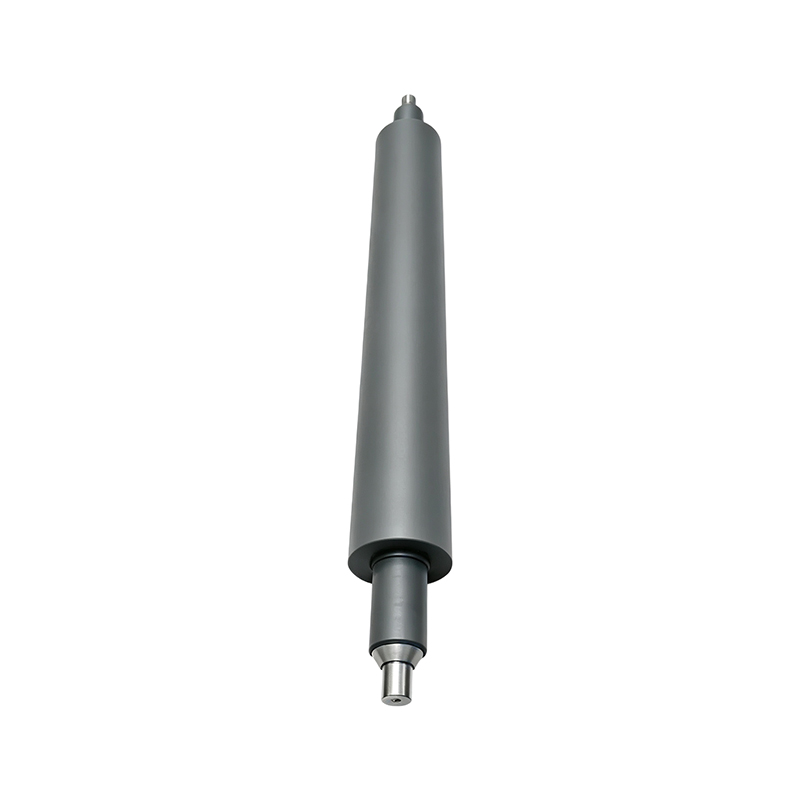
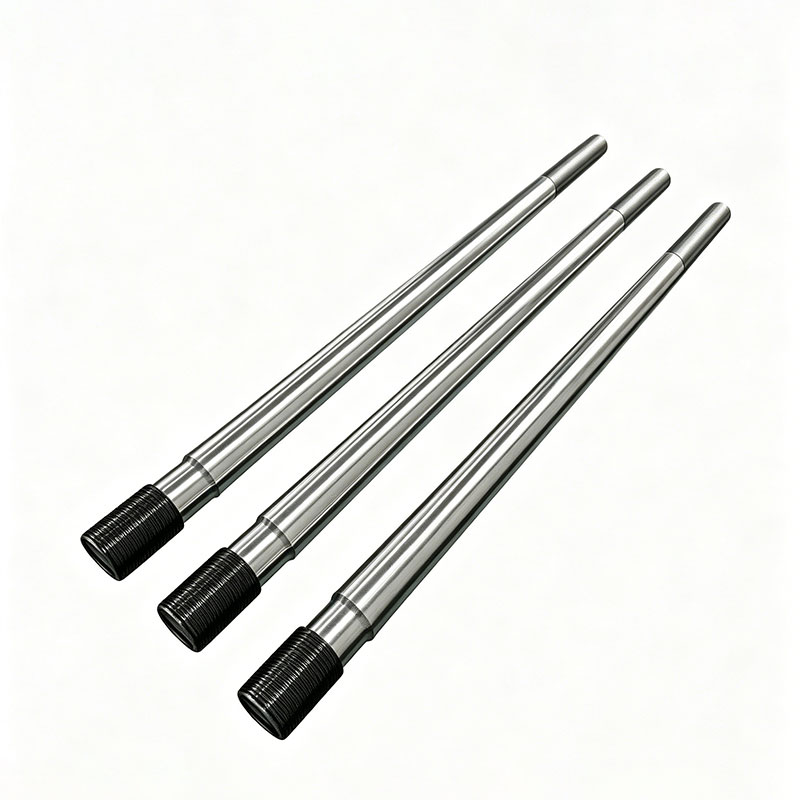
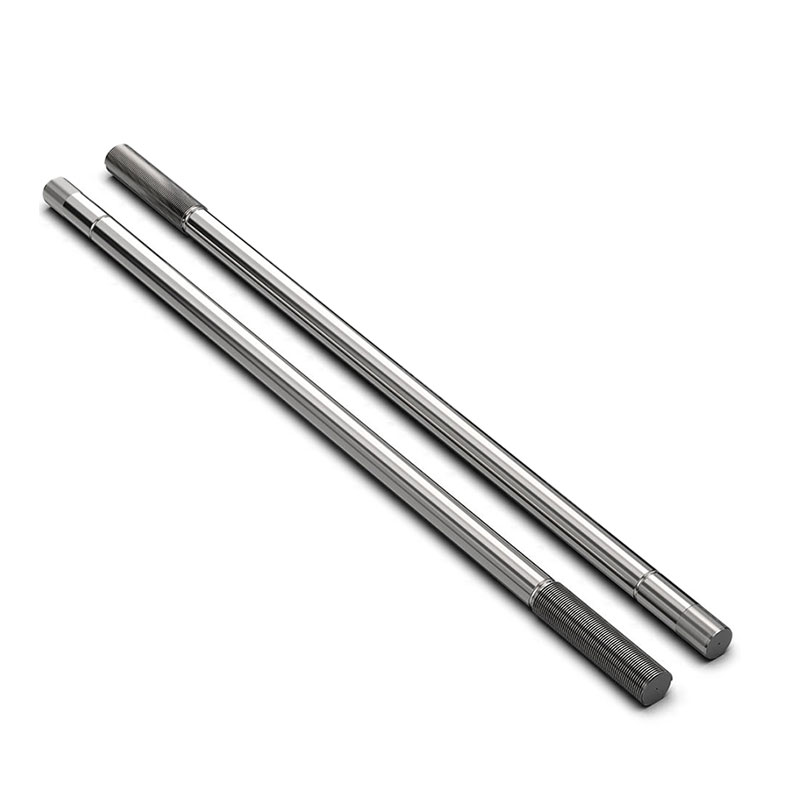
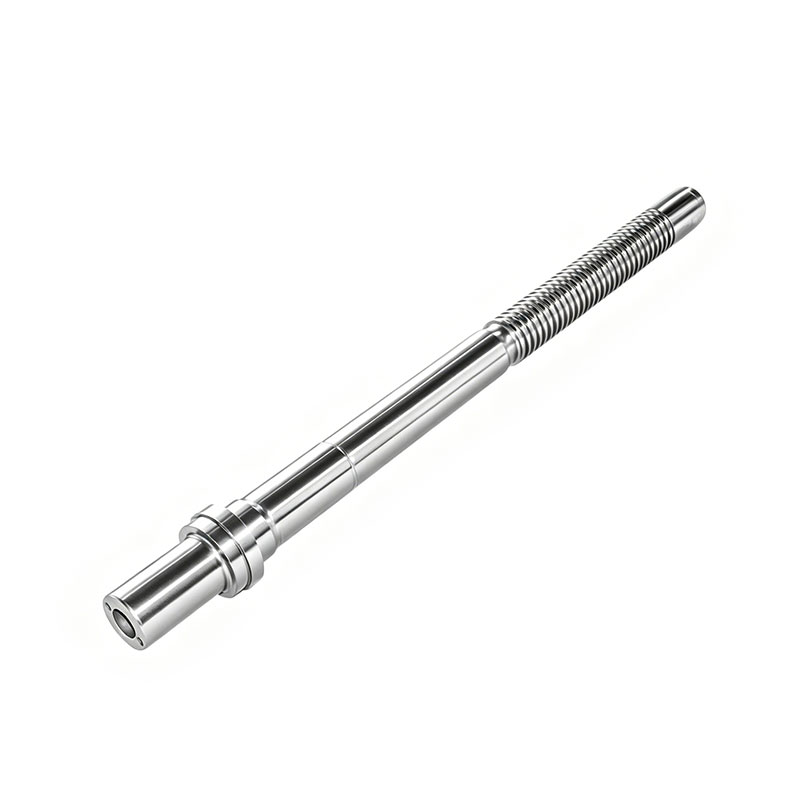
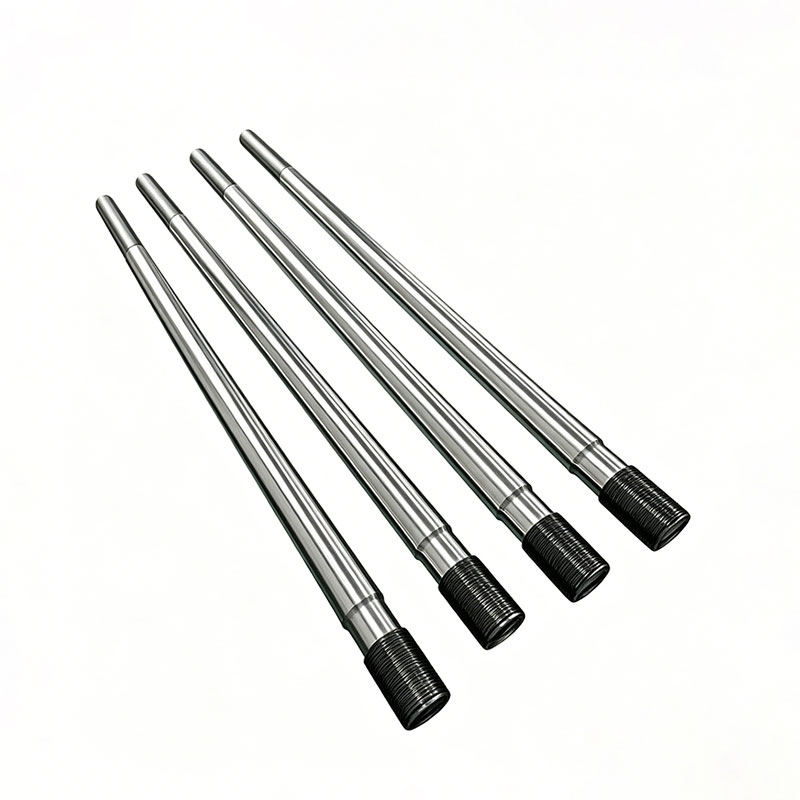
During the plastic injection or metal die-casting process, the machine's platens are slammed together and locked under hundreds, or even thousands, of tons of clamping force. The Tie Bars (or guide pillars) are the critical structural pillars that bear 100% of this immense load. Every single cycle, the tie bars are stretched and relaxed. Over millions of cycles, cheap carbon steel tie bars succumb to metal fatigue, snapping violently at the threads, or they suffer severe surface galling from the moving platen, bringing your entire factory to a halt. AstraRoll Custom Heavy-Duty Tie Bars are engineered to eliminate catastrophic failures. We forge our bars from premium 4140/42CrMo alloy steel, strictly Quenched and Tempered (Q&T) to provide unparalleled core toughness and elasticity. The surface is then micro-ground and coated in a thick, ultra-hard chrome layer to provide a frictionless, wear-proof track for your platen bushings. Whether you are running a 50-ton medical molder or a 4,000-ton automotive press, AstraRoll tie bars guarantee flawless alignment and infinite fatigue life.
Roll Function:
Industry Applications: Industry, Packaging
Inquiry Email: sales@astraroll.com
Custom Heavy-Duty Tie Bars for Injection Molding Machines Details
The AstraRoll Technical Advantage
Manufacturing a tie bar that will not snap under relentless cyclic stretching requires absolute metallurgical mastery:
Cyclic Fatigue Resistance: The most common failure point for a tie bar is thread fracture due to notch sensitivity and fatigue. We utilize premium Q&T alloy steels with exceptional yield strength, allowing the bar to safely stretch under clamping tonnage and instantly return to its exact original length without micro-cracking.
Stress-Relieved CNC Threading: Threads act as stress concentrators. We utilize advanced CNC lathes to machine perfectly radiused thread roots, followed by specialized stress-relief treatments. This distributes the clamping load evenly across the tie bar nut, drastically reducing the risk of a sheared thread.
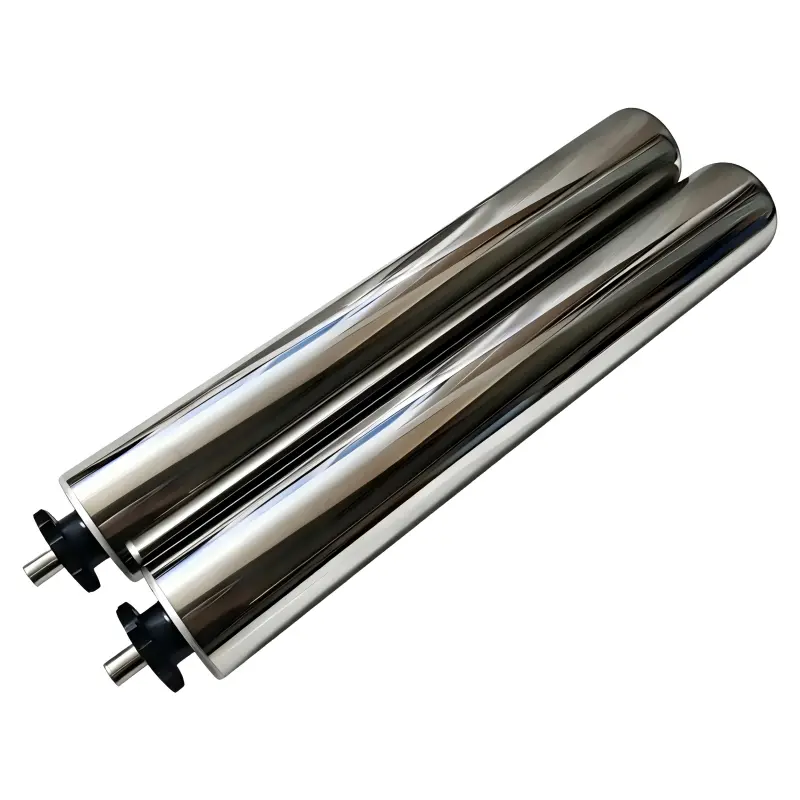
Hard Chrome Anti-Galling Surface: The moving platen's heavy cast-iron or bronze bushings slide back and forth over the tie bars continuously. We electroplate a thick layer of hard chrome (850+ HV) over the entire stroke length, creating a glass-smooth surface that eliminates friction, prevents "galling" (metal tearing), and extends bushing life.
Laser-Verified Straightness: If a tie bar is even slightly bowed, it will cause the mold halves to misalign, resulting in product flashing and rapid mold wear. AstraRoll straightens every bar prior to final grinding, guaranteeing a linear straightness tolerance of ≤ 0.05 mm/meter.
Key Specifications
Please note: AstraRoll tie bars are 100% custom-machined to your exact machine blueprints or OEM replacement specs.
Base Material: AISI 4140 (42CrMo4), AISI 4340 (34CrNiMo6), EN19, EN24.
Core Hardness (Q&T): 28 - 32 HRC (Optimized for tensile toughness).
Surface Hardness (Chrome): 850 - 1000 HV.
Outer Diameter (O.D.): Custom from 30mm up to 600mm+.
Overall Length: Custom manufactured up to 8,000mm.
Surface Finish: Ra 0.2 - 0.4 μm (Mirror polished).
Diameter Tolerance: ISO f7 or g6.
Why Choose AstraRoll?
1. Direct OEM Replacement
When a tie bar snaps, replacing it through the original European or Japanese machine manufacturer can take months and cost a fortune. AstraRoll operates as an agile, factory-direct manufacturer. Send us your broken tie bar's CAD drawings (or ship us the intact broken pieces for reverse engineering), and we will manufacture a superior replacement tie bar, complete with matching clamping nuts, in a fraction of the time.
2. Turnkey Tie Bar & Nut Sets
A new tie bar should never be mated with an old, fatigued clamping nut. The mismatched thread wear will cause immediate point-loading and premature failure. AstraRoll manufactures the Tie Bar and the corresponding High-Strength Bronze or Alloy Steel Clamping Nuts together as a matched set, ensuring 100% thread engagement and perfect load distribution.
Frequently Asked Questions (FAQs)
Q: Why did my current tie bar snap right at the thread root?
A: This is the classic symptom of cyclic metal fatigue compounded by stress concentration. It is usually caused by either: 1) The machine was running uneven mold heights, causing uneven clamping force across the four bars; 2) The original bar was made from inferior, non-tempered steel; or 3) The threads were machined with sharp internal corners instead of smooth radii. AstraRoll's Q&T 4140 steel and radiused thread profiles specifically combat this failure.
Q: Do I need to replace all four tie bars if only one breaks?
A: Yes, we highly recommend replacing all four simultaneously. If one bar has snapped from millions of cycles of fatigue, the other three have experienced the exact same stress and are likely on the verge of microscopic fracture. Furthermore, mixing a brand new, highly elastic tie bar with three old, stretched tie bars will cause severe clamping imbalance and mold flashing.
Q: How thick is the hard chrome plating on your tie bars?
A: For standard injection molding machines, we typically apply 20 to 30 microns of hard chrome. For die-casting machines (which operate in a much harsher, high-temperature environment with corrosive aluminum/zinc release agents), we can increase the chrome thickness to 50+ microns for extreme environmental protection.
Q1. Are you a trader or direct factory?
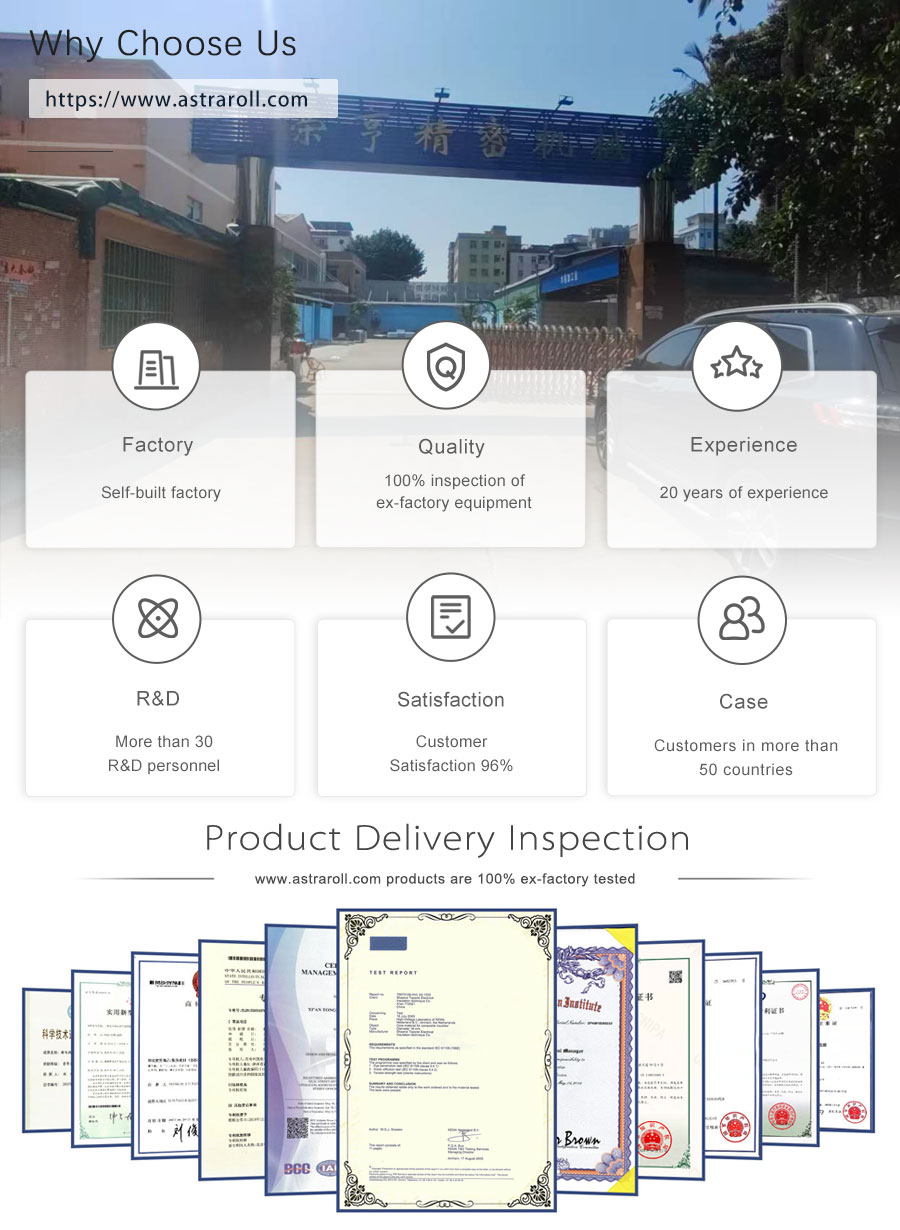
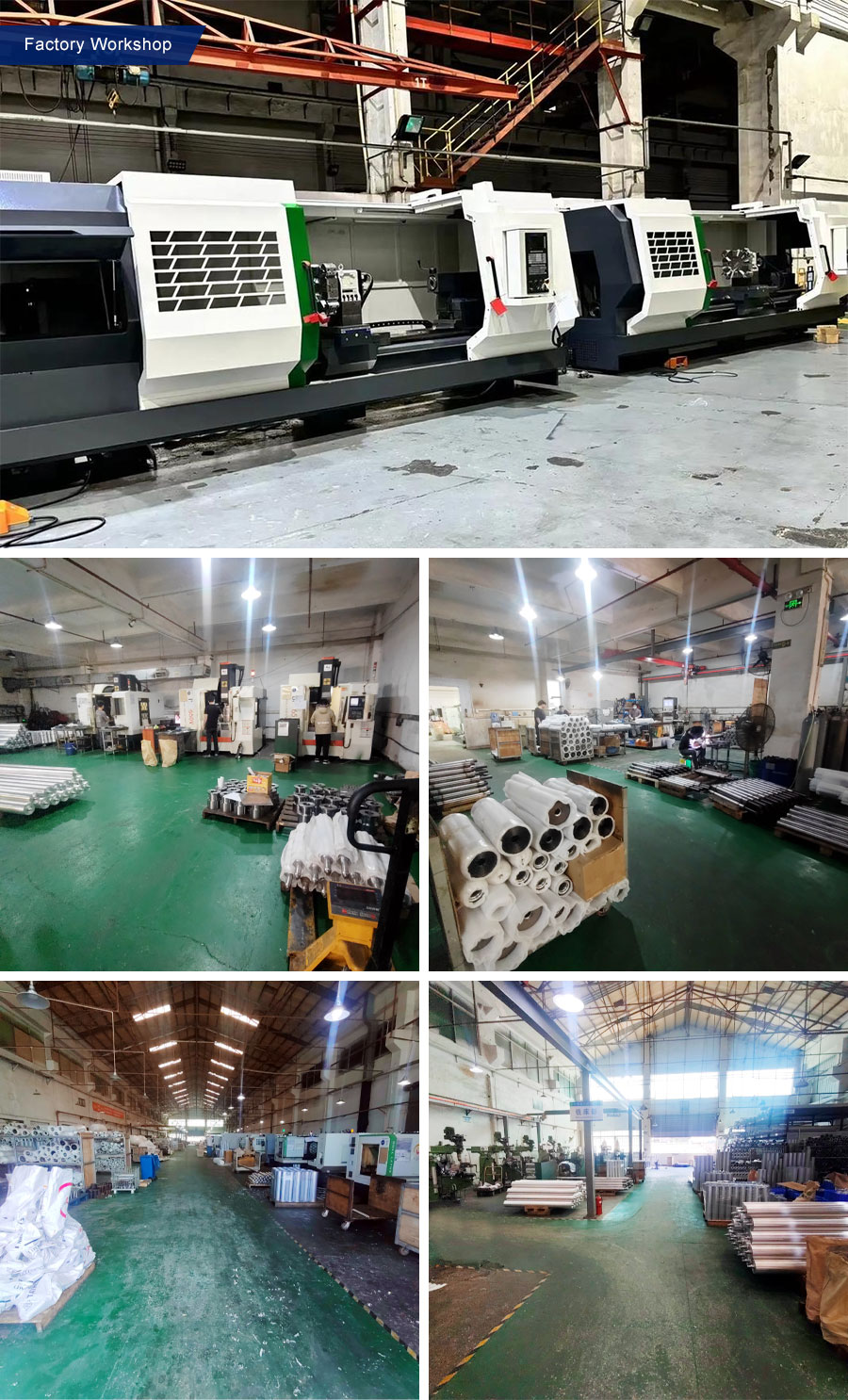
We are a direct manufacturing factory with over 20 years of expertise in high-end industrial rollers, casters and material handling solutions. Our facility operates with ISO-certified quality management systems, allowing us to maintain full control over production cycles and quality standards. Throughout two decades of growth, we have established deep, long-term strategic partnerships with several listed companies and global automation leaders, proving our reliability as a high-tier industrial supplier.
Q2. What are your main products?
AstraRoll specializes in the engineering and production of three core product lines: Industrial Rollers, Heavy-Duty Wheels, and Precision Casters. We do not just sell components; we provide integrated movement and transport solutions. Our products are widely utilized across high-demand sectors, including: New Energy, Lithium Battery, Mining, Heavy Industry, Medical Institutional, Agriculture and Logistics.
Q3. What about delivery time?
We deeply understand that project timelines are critical.
Standard Products: Usually dispatched within 7–15 working days if the components are in stock.
Customized/OEM Orders: Depending on the complexity and volume, the lead time typically ranges from 20–35 days. This includes time for technical drawing confirmation, specialized tooling, and rigorous pre-shipment testing.
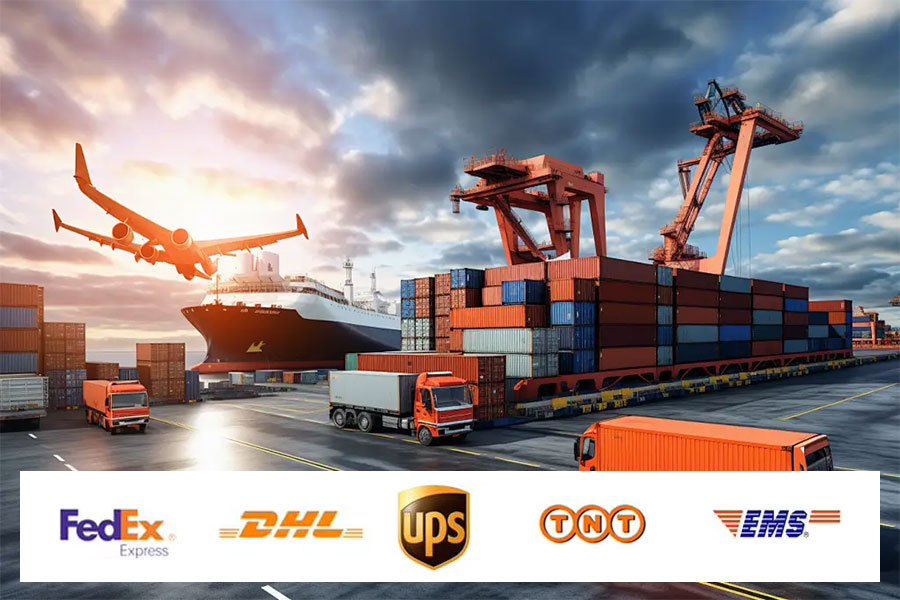
Shipping Methods: We offer flexible global logistics solutions, including FOB and CIF terms. We ship via Sea Freight (for bulk industrial orders), Air Freight (for urgent project needs), and International Express (DHL/FedEx/TNT) for smaller components or samples.
Q4. How can I get a quote for customized products?
Since a significant portion of our business involves specialized engineering, pricing is tailored to your specific technical requirements. To provide an accurate quote, please provide the following details: Technical Drawings or Sketches, Application Environment, Quantity, Special Requests. Our engineering team typically reviews and responds to custom inquiries with a formal quotation within 24–48 hours.
Q5. What is your payment?
TT / Paypal / Western Union / LC / Credit Card etc. are all available to us.