
Phone: +86 15398058207
E-mail: sales@astraroll.com
Add: Room 603 Building C, The Huixin Center, Zhangba One Road, Yanta Zone, Xi'an City, Shaanxi Province, China
Why the Right Air Shaft Design (Lug vs. Leaf) Matters?
If your rewind stand is constantly crushing cores, or your operators are complaining about back pain from wrestling 100-pound steel shafts all shift, you're probably using the wrong hardware.
A lot of plants just run whatever air shaft came with the machine. But mismatched shafts cause web slippage, tension problems, and unnecessary downtime. Getting it right comes down to two things: how the shaft grips the core, and what material the shaft is made of.
Let's break down the real differences between lug and leaf designs so you can make the right call for your production floor.
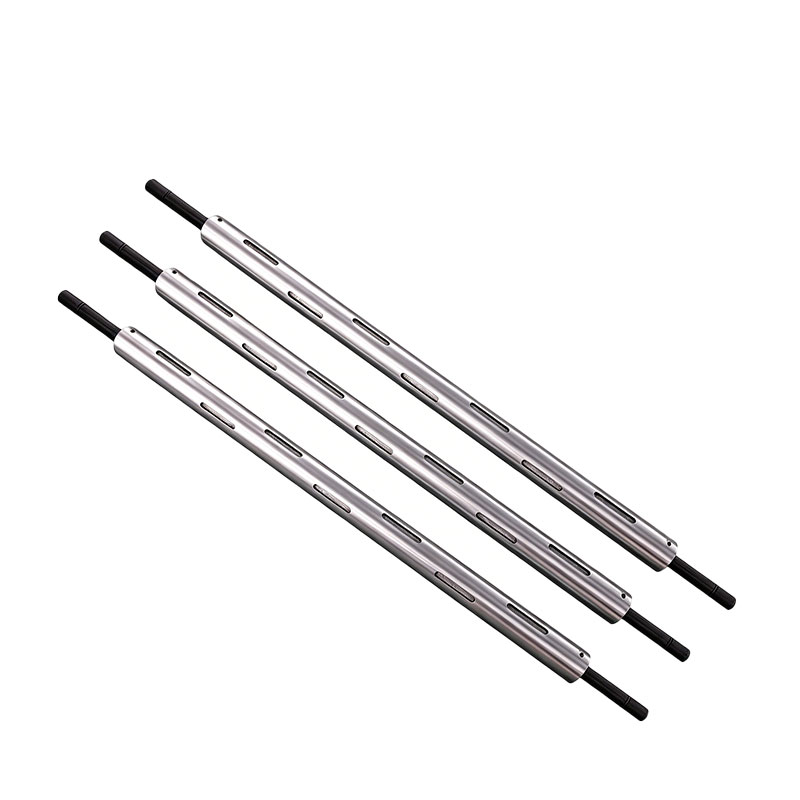
1. The Lug-Type Shaft: Built for Torque
Lug shafts are the industry standard. When you hit them with air, rows of metal or rubber keys (lugs) pop out and bite into the inside of the core.
Because all the outward pressure is focused on those narrow lugs, you get incredible holding power. They won't slip, even during emergency stops.
When to use them: If you are running standard cardboard cores or heavy packaging materials, this is your go-to. But here's the catch—you don't need a heavy steel shaft for standard daily work. Swapping out your old steel rolls for our Lightweight Aluminum Air Shafts gives you the exact same grip, but cuts the shaft weight by more than half. Your operators can swap rolls faster and safer.
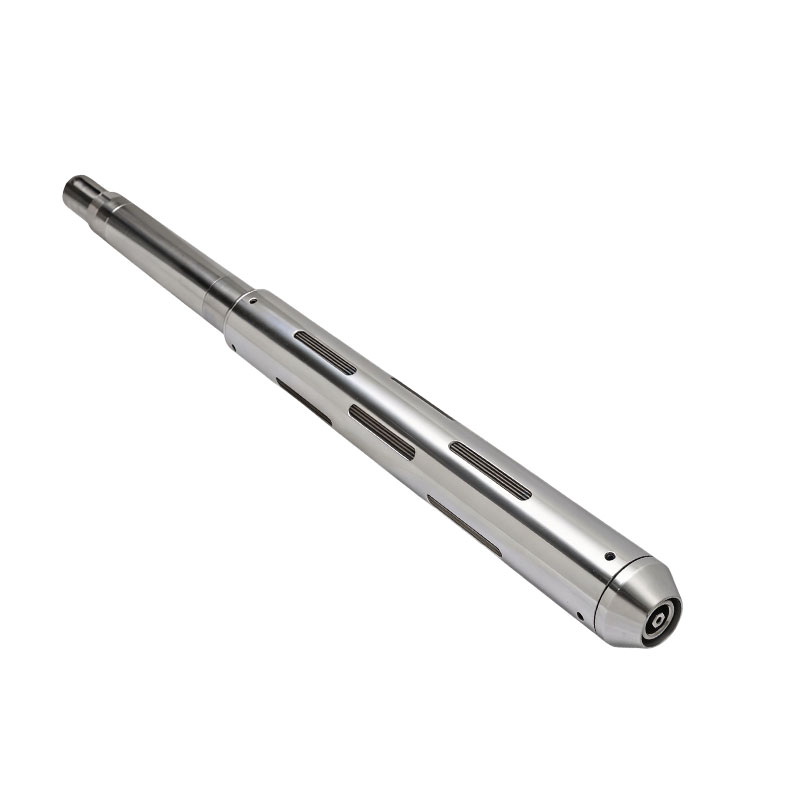
On the flip side, if you are unwinding massive multi-ton master rolls, or if your shafts are getting sprayed with harsh chemicals during daily washdowns, aluminum isn't tough enough. For those brutal environments, you need the heavy-duty bite and rust immunity of our Stainless Steel Air Expanding Shafts.
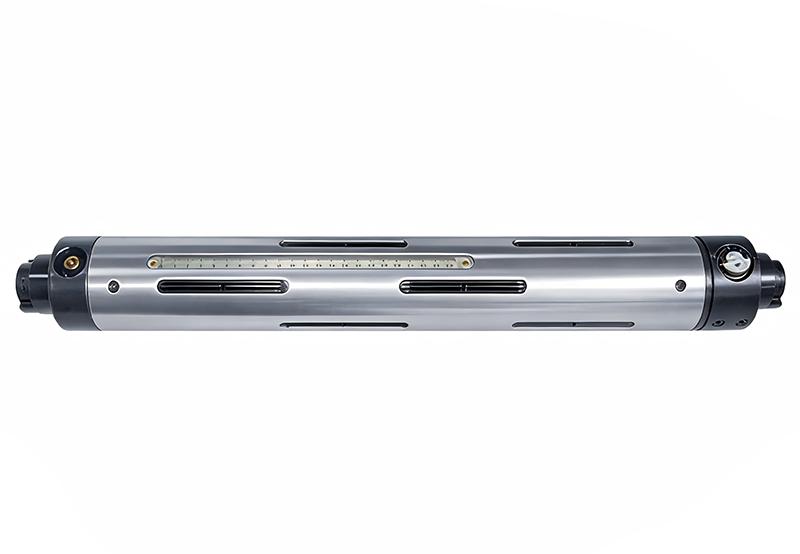
2. The Leaf-Type Shaft: The Core Protector
So, what happens if you put a lug shaft inside a thin-walled plastic core or a fragile paper tube? It punctures right through it.
That's where the Leaf-Type Shaft comes in. Instead of small keys popping out, the shaft uses wide, continuous aluminum plates (leaves). When inflated, it expands uniformly, creating a full 360-degree grip.
When to use them: This design spreads the pressure out perfectly so the core doesn't distort. If you are running delicate optical films, battery separators, or you want to do coreless rewinding, you need our Custom Precision Aluminum Leaf Air Shafts for Thin-Walled Cores. It grips firmly without crushing, which keeps your web tension dead flat and wrinkle-free.
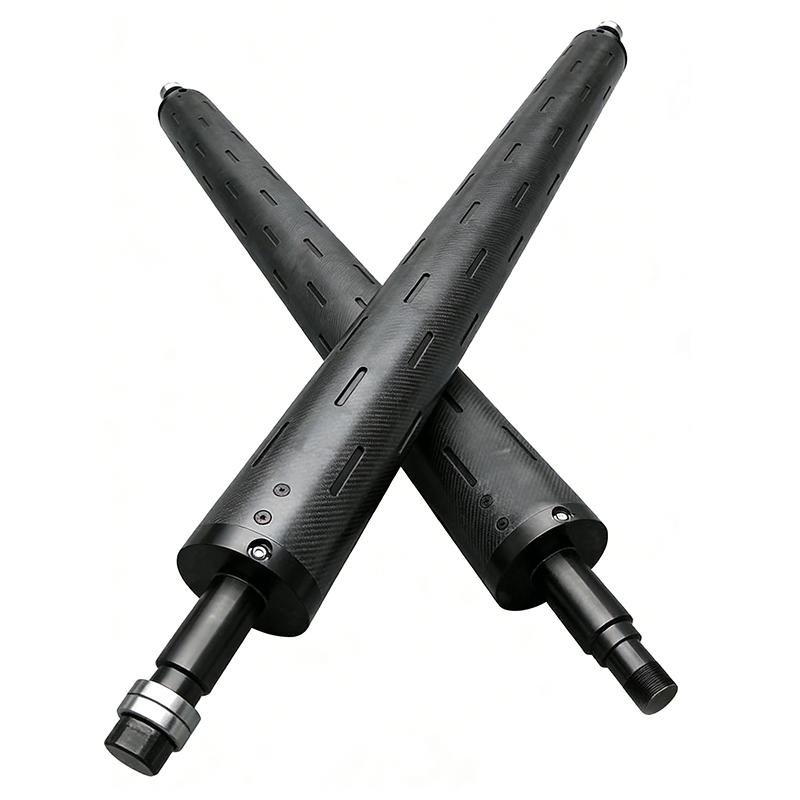
3. Hitting the Limit: When to Switch to Carbon Fiber
Material matters just as much as the design. When your web gets wider than 2 or 3 meters, or your line speeds get pushed to the absolute limit, metal shafts run into a physical wall.
Heavy metal shafts sag in the middle across wide spans. At high speeds, that sag turns into violent vibration.
When you hit that wall, the only real fix is upgrading to a Carbon Fiber Air Expanding Shaft Roller. Carbon fiber is incredibly stiff and weighs a fraction of what steel does. It won't bow in the middle, it responds instantly to tension changes, and it's light enough that a single operator can still handle a massive 3-meter shaft by hand.
Conclusion
Don't let a poorly spec'd shaft bottleneck an expensive slitting or converting line. Match the grip to your core type, and match the material to your line speed and load.
If you aren't sure which setup is right for your exact core sizes and web materials, reach out to the engineering team at AstroRoll. We can custom-build the exact shaft you need.
- The Silent Quality Drivers: How High-Precision Rollers Shape Release Film Perfor
- What Are the Benefits of Hard Anodized Aluminum Guide Rollers?
- Why High-End Manufacturing Cares So Much About Roller Surface Precision
- Why Your Heavy-Duty Conveyor Needs Garland Idler Rollers
- What are the differences and applications between anilox roller and embossing ro
- Why Teflon Coated Aluminum Rollers Are the Best Choice for Non-Stick Web Handlin
- How to Eliminate Static Accumulation and Defect Risks in High-Speed Battery Sepa
- What Are Hard Coated Rollers?