
Phone: +86 15398058207
E-mail: sales@astraroll.com
Add: Room 603 Building C, The Huixin Center, Zhangba One Road, Yanta Zone, Xi'an City, Shaanxi Province, China
How to Choose for Your Flexo Press?
In the world of flexographic printing, the anilox roller is the beating heart of your press. Its sole purpose is to pick up a precise, mathematically calculated volume of ink and deliver it to the printing plate. If the anilox fails to perform, your color consistency, image resolution, and overall profitability take an immediate hit.
When it comes to selecting an anilox roller, press managers typically face a classic dilemma: Chrome-Plated vs. Ceramic-Coated.
While both have their place in the converting industry, understanding their mechanical differences, wear resistance, and long-term Total Cost of Ownership (TCO) is critical. Let's break down the engineering behind both options.
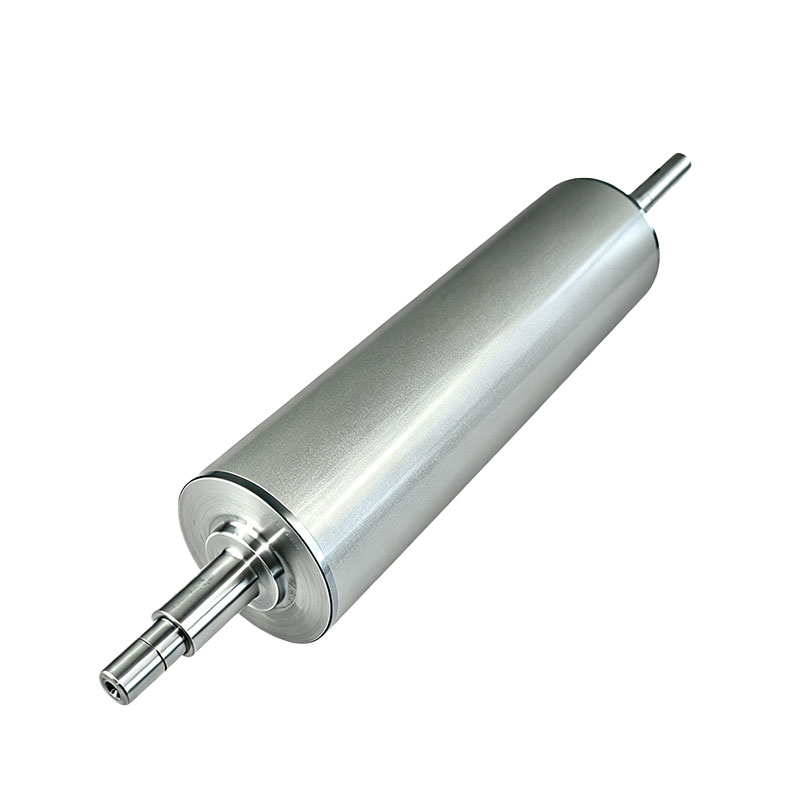
The Old Guard: Chrome-Plated Anilox Rollers
Chrome anilox rollers have been around for decades. They are manufactured using a process called mechanical engraving (or knurling). A hardened steel tool is physically pressed into a steel or copper cylinder to displace the metal and form the ink cells. Once the pattern is created, the roller is plated with a thin layer of hard chrome to provide wear resistance.
The Pros:
- Lower Initial Cost: The manufacturing process is relatively fast and inexpensive.
- Good for Heavy Ink Laydown: They perform well in basic, low-resolution applications like applying solid background colors, heavy coatings, or printing on rough corrugated boards.
- Limited Resolution (LPI): Because the cells are physically pressed into the metal, chrome rollers max out at around 300 to 500 Lines Per Inch (LPI). They cannot produce the microscopic cells required for High-Definition (HD) flexo printing.
- Prone to Wear and Corrosion: The constant friction from steel doctor blades will eventually wear down the chrome plating. Once the underlying copper or steel is exposed, harsh solvent or water-based inks will cause rapid corrosion, altering the cell volume (BCM) and ruining ink consistency.
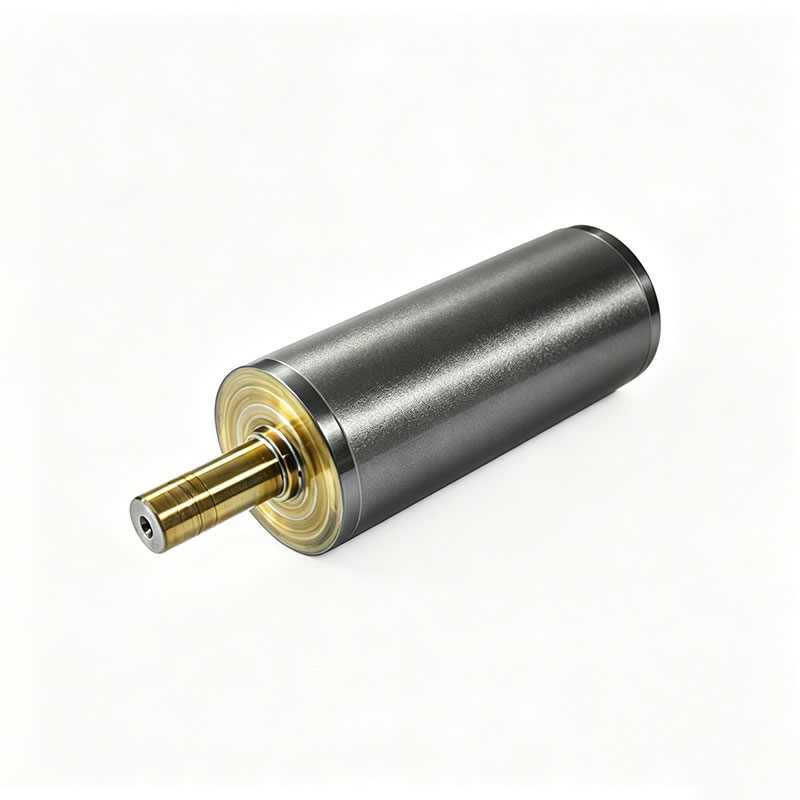
The Modern Standard: Ceramic Anilox Rollers
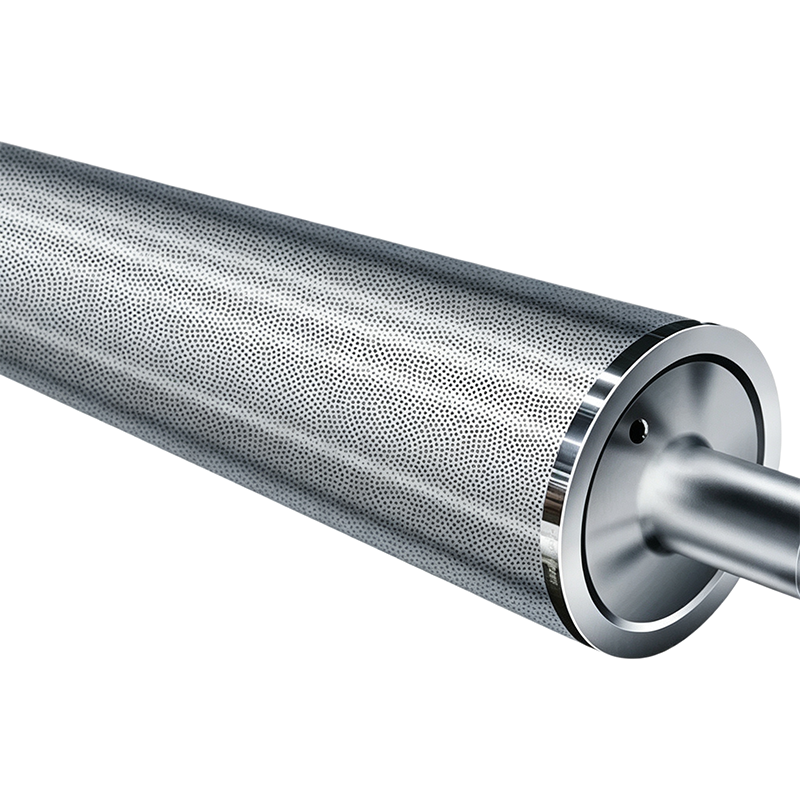
Ceramic anilox rollers represent the pinnacle of modern fluid transfer technology. Instead of physical pressing, these rollers are coated with an ultra-dense, plasma-sprayed ceramic layer. The cells are then vaporized into the ceramic surface using high-precision Multi-Beam Fiber Lasers.
The Pros:
- Extreme Durability: Plasma-sprayed ceramic boasts a hardness rating of over HV 1000. It is incredibly resistant to aggressive doctor blades and corrosive inks, lasting exponentially longer than chrome.
- Ultra-High Definition: Laser engraving can create mathematically perfect cell geometries (Hexagonal, Channeled, or Tri-Helical) at astounding resolutions—easily exceeding 1,200 to 2,000 LPI for photorealistic printing.
- Consistent Ink Release: The laser-ablated cells have smooth, steep walls that allow for superior ink release and easier cleaning, ensuring zero color variation throughout a long print run.
The Cons:
- Higher Initial Investment: The plasma spraying and laser engraving processes are more complex, requiring a higher upfront cost (though the ROI is vastly superior due to longer lifespan).
Head-to-Head Comparison
| Feature | Chrome-Plated Anilox | Laser-Engraved Ceramic Anilox |
| Engraving Method | Mechanical Knurling | High-Precision Fiber Laser |
| Max Line Screen (LPI) | Low to Medium (~500 LPI max) | Ultra-High (Up to 2000+ LPI) |
| Surface Hardness | Moderate (Prone to blade wear) | Extreme (HV 1000+, Highly wear-resistant) |
| Best Used For | Solid colors, basic corrugated boards, heavy coatings | HD Flexo, labels, flexible packaging, fine process work |
| Cost Profile | Low initial cost, frequent replacements | Higher initial cost, incredibly low long-term TCO |
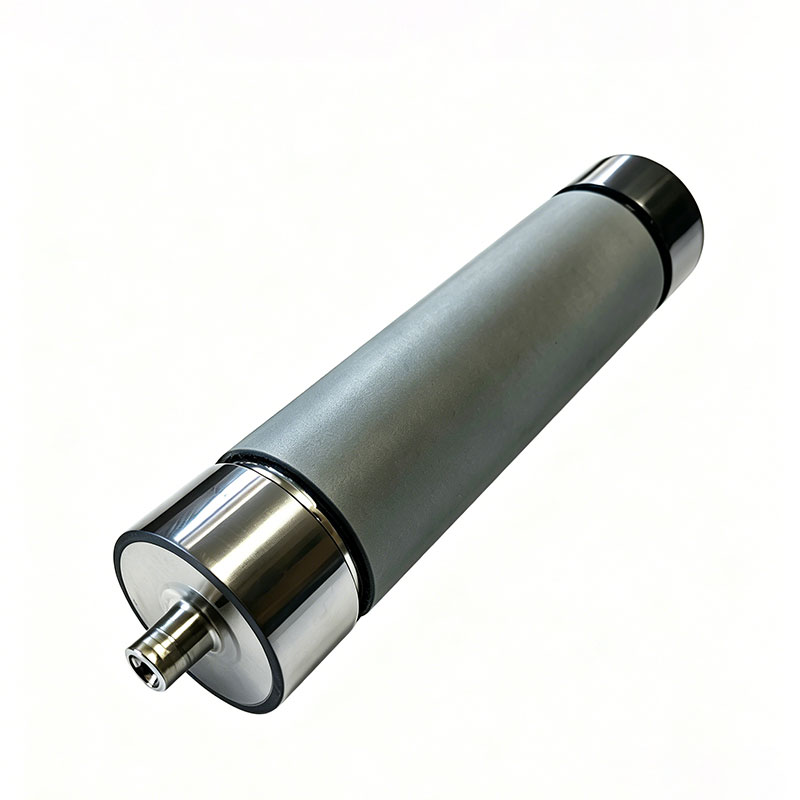
The AstroRoll Game Changer: Ceramic + Aluminum Core
While standard ceramic anilox rollers (which use heavy steel cores) are excellent, they introduce a different problem: Excessive Weight and Rotational Inertia. Heavy steel rollers require massive effort from your operators during job changeovers, increasing downtime and the risk of workplace injuries. Furthermore, heavy rollers demand more tension to start and stop, which can stretch delicate web materials and introduce vibration (chatter marks) at high press speeds.
At AstroRoll, we engineered a superior solution.
Our Industrial Ceramic Aluminum Anilox Rollers for Flexographic Printing combine the indestructible nature of laser-engraved ceramic with the ultra-low inertia of a precision-machined aluminum core.Why upgrade to AstroRoll's Aluminum Ceramic Anilox?
- Up to 50% Lighter: Drastically speeds up press setup times and allows for safe, one-person roller changes.
- Zero Chatter Marks: The lightweight aluminum core features an ultra-low Total Indicator Reading (TIR) and is dynamically balanced to ensure a completely vibration-free ink transfer at maximum line speeds.
- Perfect Cell Geometry: Customized BCM and LPI specifications tailored exactly to your HD printing needs, ensuring your millionth impression looks exactly like your first.
Conclusion: Which Should You Choose?
If you are running a low-speed press printing basic shipping boxes with solid blocks of color, a traditional Chrome Anilox might suffice for your budget.
However, if you are printing labels, flexible packaging, or high-end graphics where precision color matching, machine speed, and fast job changeovers are critical to your margins, an AstroRoll Lightweight Ceramic Aluminum Anilox Roller is the undisputed choice.
Ready to upgrade your print quality and reduce downtime? Explore our Precision Ceramic Aluminum Anilox Rollers and request an engineering quote today.
- The Silent Quality Drivers: How High-Precision Rollers Shape Release Film Perfor
- What Are the Benefits of Hard Anodized Aluminum Guide Rollers?
- Why High-End Manufacturing Cares So Much About Roller Surface Precision
- Why Your Heavy-Duty Conveyor Needs Garland Idler Rollers
- What are the differences and applications between anilox roller and embossing ro
- Why Teflon Coated Aluminum Rollers Are the Best Choice for Non-Stick Web Handlin
- How to Eliminate Static Accumulation and Defect Risks in High-Speed Battery Sepa
- What Are Hard Coated Rollers?