
Phone: +86 15398058207
E-mail: sales@astraroll.com
Add: Room 603 Building C, The Huixin Center, Zhangba One Road, Yanta Zone, Xi'an City, Shaanxi Province, China
The Definitive Guide to Industrial Static Control
I. Core Concept: Surface Resistivity Defines Functionality
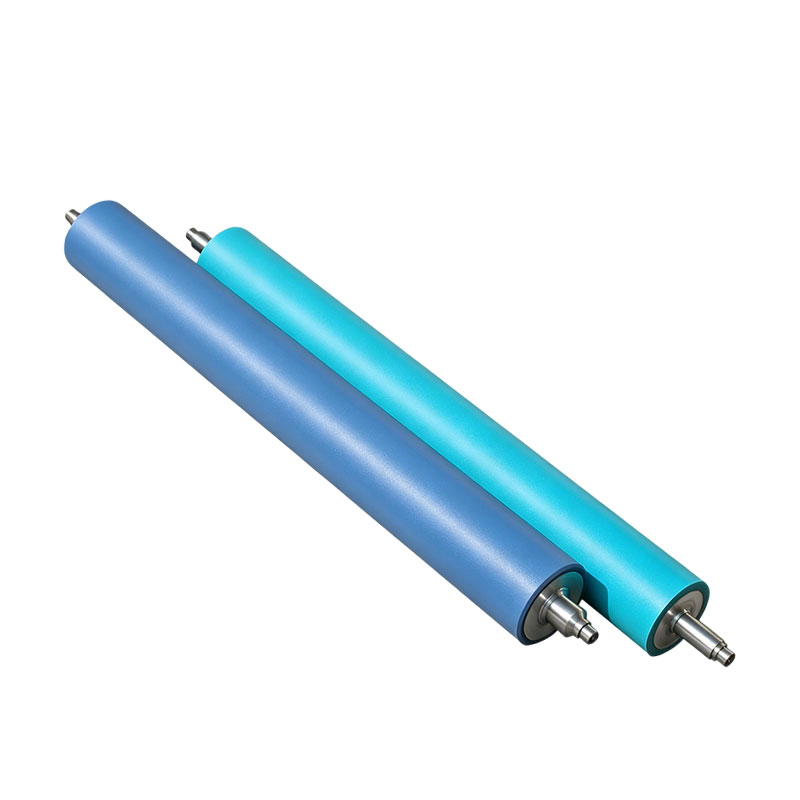
To understand the difference, we must look at the physical metric of Surface Resistivity (Ω).
- Definition: These rollers are designed primarily to inhibit the generation of tribocharging (static buildup caused by friction).
- Resistance Range: Typically between 10^9 and 10^11Ω .
- Working Mechanism: By incorporating anti-static agents, a microscopic conductive film is formed on the surface to absorb ambient moisture. Its main role is to be "passive"—it prevents new static from forming but has a limited ability to discharge pre-existing charges.
2. ESD / Static Dissipative Rollers
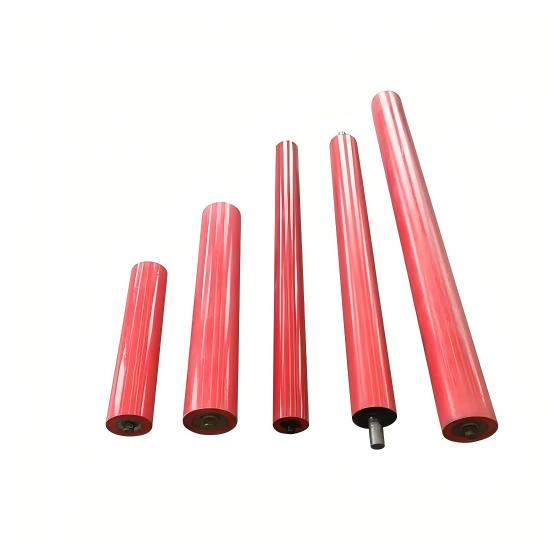
- Definition: ESD rollers are "active" components. They not only resist static buildup but also actively and safely conduct existing charges to the ground.
- Resistance Range: Strictly controlled between 10^6 and 10^9Ω.
- Working Mechanism: These materials contain a permanent conductive network. When a charged object touches the roller, the static is bled off at a controlled, moderate speed to the grounding system. This prevents the "spark" (Electrostatic Discharge) that destroys sensitive electronics.
II. Deep Dive: Industrial Application Analysis
The choice between these two rollers depends entirely on the sensitivity of your product:
1. Applications for Anti-static Rollers
- Traditional Logistics & Packaging: Preventing cardboard boxes or plastic bags from sticking due to friction.
- Printing & Papermaking: Reducing ghosting, dust attraction, or paper misalignment caused by static.
- Woodworking & Textiles: Preventing sawdust or fibers from clinging to the roller surface.
- General Warehousing: Protecting employees from the uncomfortable "shocks" caused by static accumulation on metal frames.
2. Applications for ESD Dissipative Rollers
- Lithium Battery Production: During coating and slitting, these rollers prevent static from puncturing separators or causing dust explosions.
- Semiconductor & SMT Assembly: Protecting Integrated Circuits (ICs) and microprocessors from invisible ESD damage.
- Cleanroom Environments: Ensuring constant electrical neutrality to prevent nano-scale particles from being attracted to precision parts.
- Hazardous Chemical Zones: Working with grounding systems to prevent sparks in volatile environments, ensuring total plant safety.
III. Selection Guide: How to Choose the Right Roller for Your Project
When making a procurement decision, AstraRoll engineers recommend evaluating these five dimensions:
1.Identify Compliance Standards:
If your project must comply with ANSI/ESD S20.20 or IEC 61340 standards, you must select an ESD Dissipative Roller with a resistance of 10^6 - 10^9Ω.
2.Material Selection based on Load & Speed:
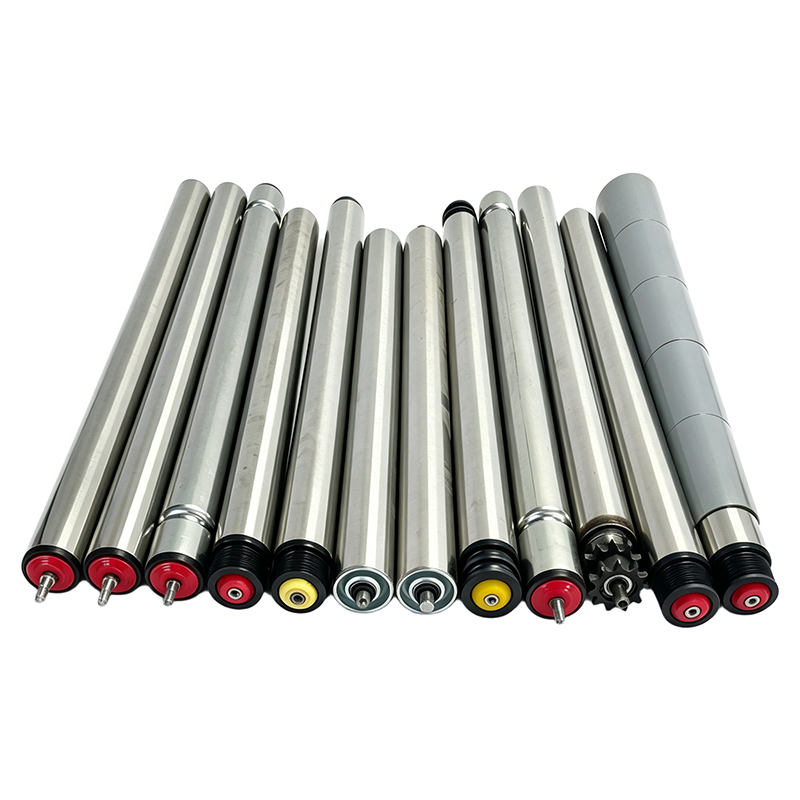
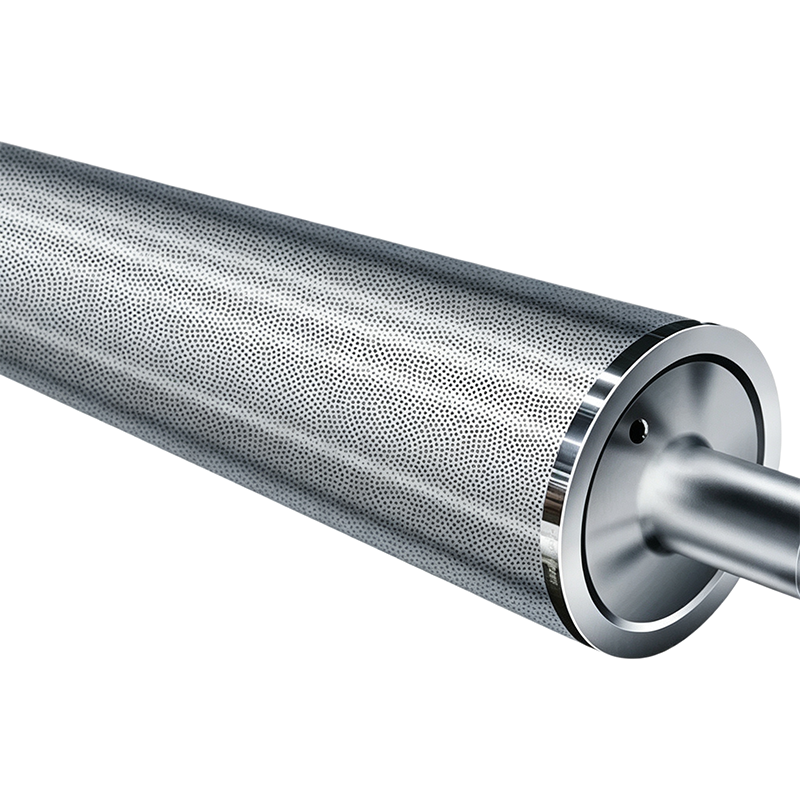
Aluminum/Stainless Steel: Ideal for high precision and lightweight needs. Stainless steel combined with ESD bearings offers excellent grounding.
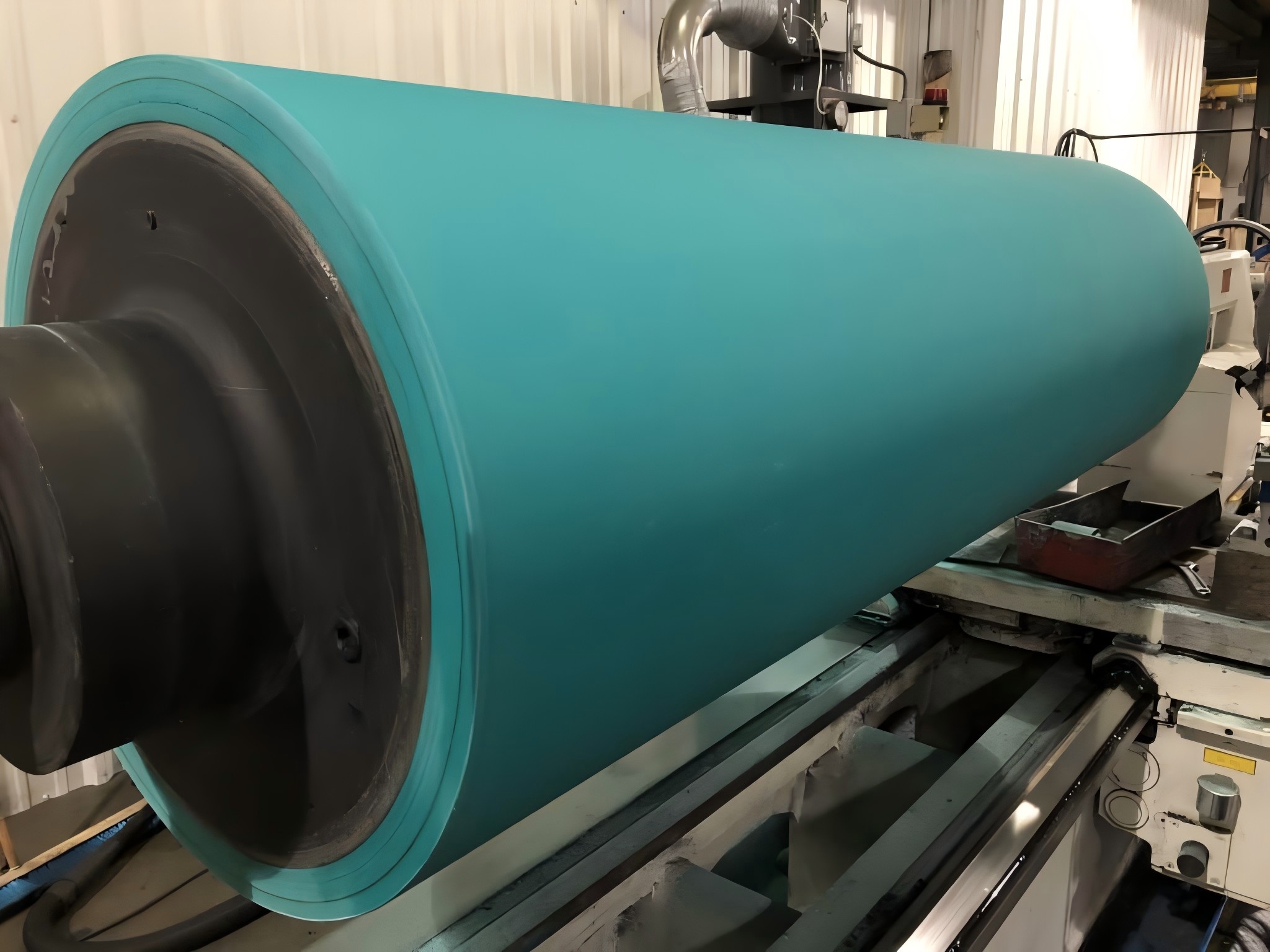
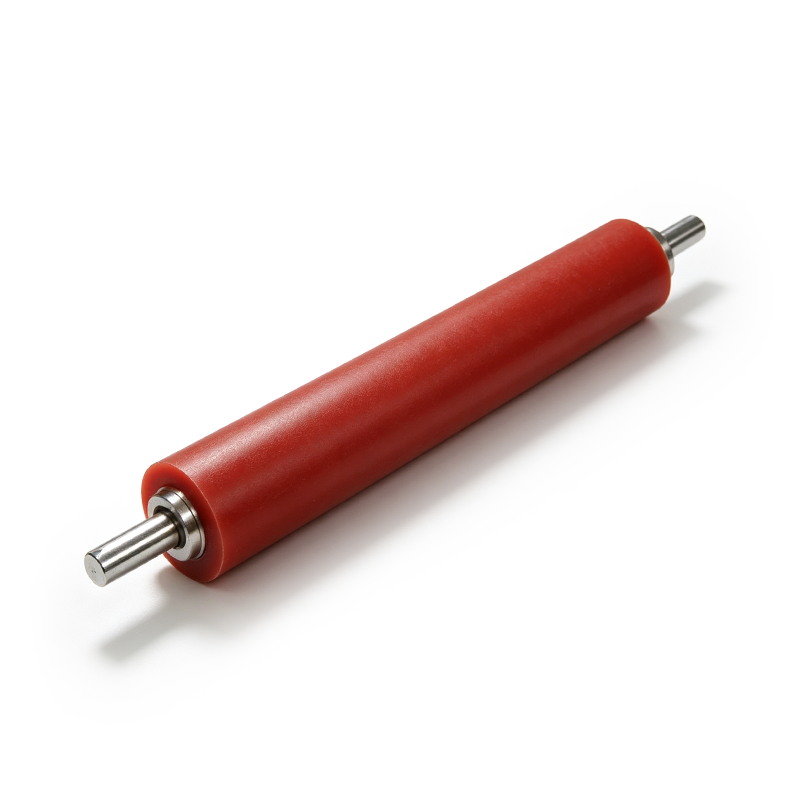
ESD Rubber Coating: If the material is prone to slipping or is fragile (like battery electrodes), choose ESD Conductive Rubber Coating for superior grip and uniform discharge.
3.Environmental Adaptability:
In dry climates or cleanrooms with low humidity, you must use Permanent ESD materials that do not rely on moisture to function.
4.Grounding System Integrity:
The charge must have a clear path through the bearing, the shaft, and into the machine frame. AstraRoll provides integrated solutions featuring specialized conductive bearings and grounding systems.
5.Mechanical Precision Metrics:
High-speed coating lines require a Run-out of ≤0.01. Every AstraRoll product undergoes rigorous dynamic balancing to ensure stability at high RPMs.
IV. Product Comparison
| Feature | Anti-static Roller | ESD Dissipative Roller |
| Primary Function | Inhibits static generation (Inhibition) | Safely removes existing static (Elimination) |
| Surface Resistivity | 10^9 - 10^11Ω | 10^6 - 10^9Ω |
| Humidity Dependence | High (Relies on air moisture) | Extremely Low (Permanent conductive structure) |
| Typical Material | Nylon/PU with anti-static additives | Specialized Conductive Rubber / Carbon composites |
| Industry Standards | General Industrial Safety | ANSI/ESD S20.20 / IEC 61340 |
| Cost Investment | Lower (Short-term economy) | Moderate (Long-term professional grade) |
V. Conclusion: Why Choose AstraRoll?
In complex industrial manufacturing environments, AstraRoll is your trusted partner for static management:
Global Standard Compliance: Our ESD series rollers maintain a stable resistance within the "Golden Dissipative Zone," fully meeting international ESD protection standards.
High-Level Customization: We understand that no two production lines are the same. From tube specifications and bearing types to specialized surface treatments (Hard Anodizing, Ceramic Coating, or Conductive Rubber), we offer 1:1 customization based on your technical drawings.
Non-Decaying Performance: By using permanent conductive polymers, we ensure that the ESD properties do not degrade over time or with environmental changes, significantly lowering your long-term maintenance costs.
Precision Engineering: Every roller is tested for surface resistivity and balanced to perfection, ensuring peak performance in high-speed operations.
Choosing AstraRoll means more than just buying a component; it means choosing a reliable static safety solution for your entire production line.
- The Silent Quality Drivers: How High-Precision Rollers Shape Release Film Perfor
- What Are the Benefits of Hard Anodized Aluminum Guide Rollers?
- Why High-End Manufacturing Cares So Much About Roller Surface Precision
- Why Your Heavy-Duty Conveyor Needs Garland Idler Rollers
- What are the differences and applications between anilox roller and embossing ro
- Why Teflon Coated Aluminum Rollers Are the Best Choice for Non-Stick Web Handlin
- How to Eliminate Static Accumulation and Defect Risks in High-Speed Battery Sepa
- What Are Hard Coated Rollers?