
Phone: +86 15398058207
E-mail: sales@astraroll.com
Add: Room 603 Building C, The Huixin Center, Zhangba One Road, Yanta Zone, Xi'an City, Shaanxi Province, China
What Are Hard Coated Rollers?
The solution to this engineering challenge? Hard Coated Rollers.
But what exactly are they, and how do you know which coating is right for your production line? In this guide, we will break down everything you need to know about hard-coated rollers and how they can revolutionize your manufacturing process.
What Exactly is a Hard Coated Roller?
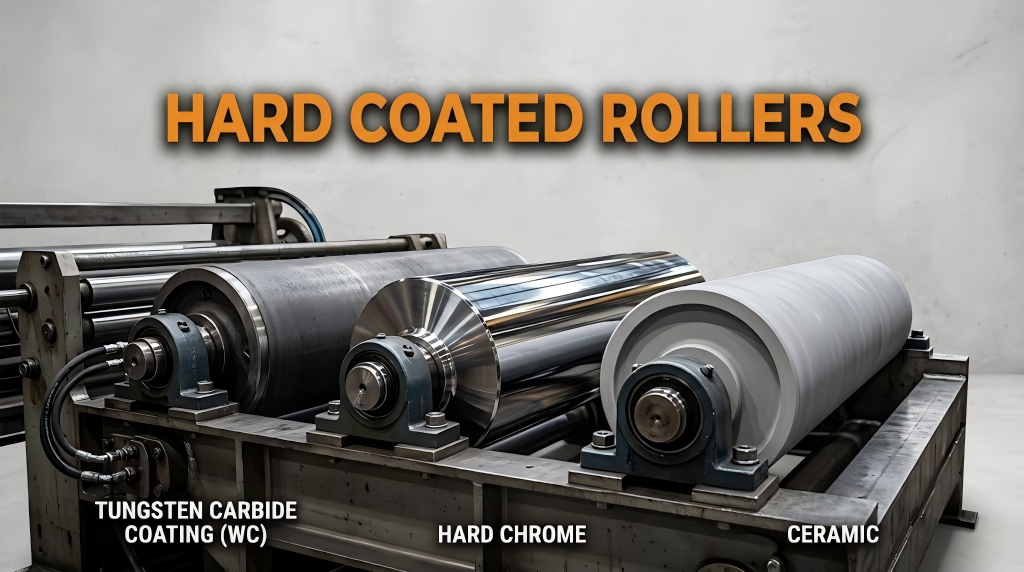
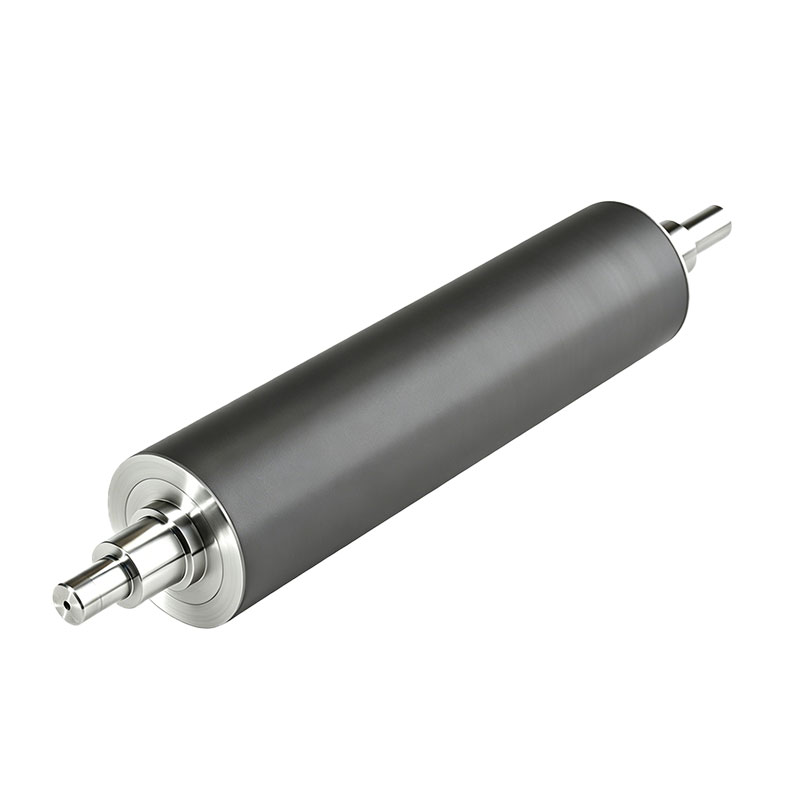
A hard coated roller is a precision-engineered industrial component consisting of two main parts: a base core (usually made of aluminum, stainless steel, or forged steel) and an advanced exterior surface treatment.
Through specialized metallurgical and chemical processes—such as plasma spraying, electroplating, or thermal spraying—a microscopic yet incredibly dense layer of high-hardness material is fused to the roller's surface. This coating radically transforms the physical properties of the roller, giving it a "super-surface" that can resist wear, corrosion, and heat far better than the base metal alone.
The Core Benefits of Hard Coatings
Why do plant managers and equipment engineers insist on hard-coated rollers?
- Extreme Wear Resistance: The primary goal of a hard coating is to protect the roller from abrasion caused by high-speed webs (paper, plastic film, or metal foils), extending the roller's lifespan by years.
- Corrosion & Chemical Protection: Many coatings act as an impenetrable shield against rust, harsh inks, industrial solvents, and humidity.
- Customized Surface Tension: Coatings can be engineered to be ultra-smooth and anti-stick (release properties) or textured to grip materials without slipping.
- Reduced Machine Downtime: A roller that doesn't wear out easily means fewer line stoppages for maintenance and replacements, directly boosting your bottom line.
Common Types of Hard Coatings (And Where to Use Them)
At AstraRoll, we engineer a variety of premium hard-coated rollers tailored to specific industry demands. Here are the most critical coating technologies and their ideal applications:
1. Tungsten Carbide Coating(WC)
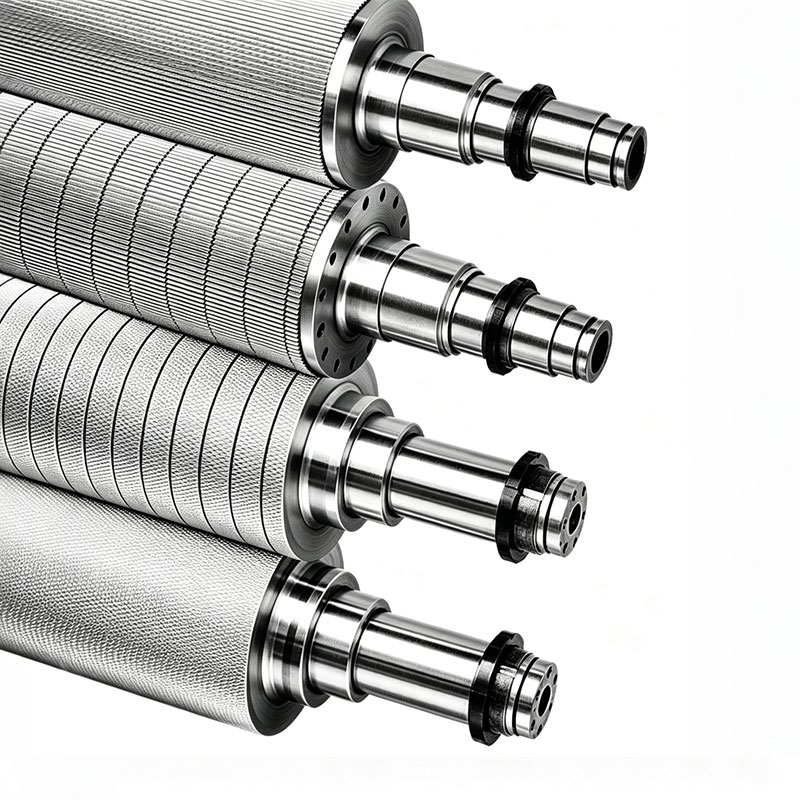
Tungsten Carbide is one of the hardest materials available in the industrial world, sitting just below diamonds on the hardness scale. It is applied via high-velocity oxygen fuel (HVOF) or thermal spraying. It is virtually indestructible and provides immense grip and abrasion resistance.
- AstraRoll Solution: Custom Forged Steel Flute Rollers with Tungsten Carbide Coating
- Best For: Corrugated cardboard manufacturing, heavy-duty web handling, and environments where abrasive raw materials would quickly chew through standard steel.
2. Hard Chrome Plating
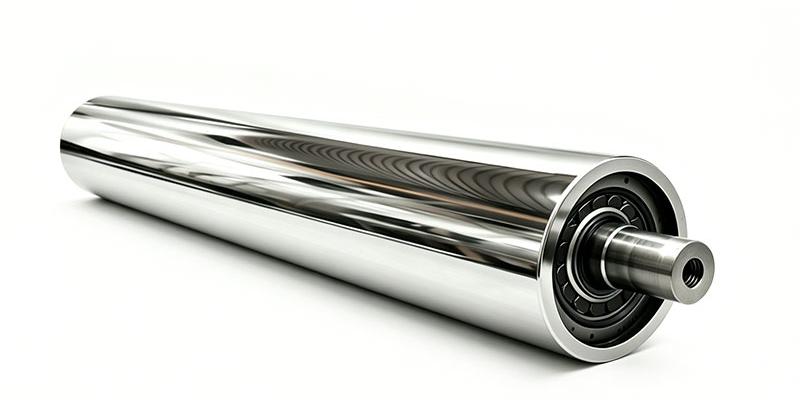
Hard chrome is the industry standard for achieving a flawless, mirror-like finish combined with excellent surface hardness and corrosion resistance. It creates a low-friction surface that prevents sticky materials from adhering to the roller.
- AstraRoll Solution: Hard Chrome Plated Stainless Steel Rollers
- Best For: Food processing packaging, plastic film extrusion, lamination lines, and any application requiring a perfectly smooth, rust-proof, and easy-to-clean surface.
3. Advanced Ceramic Coatings
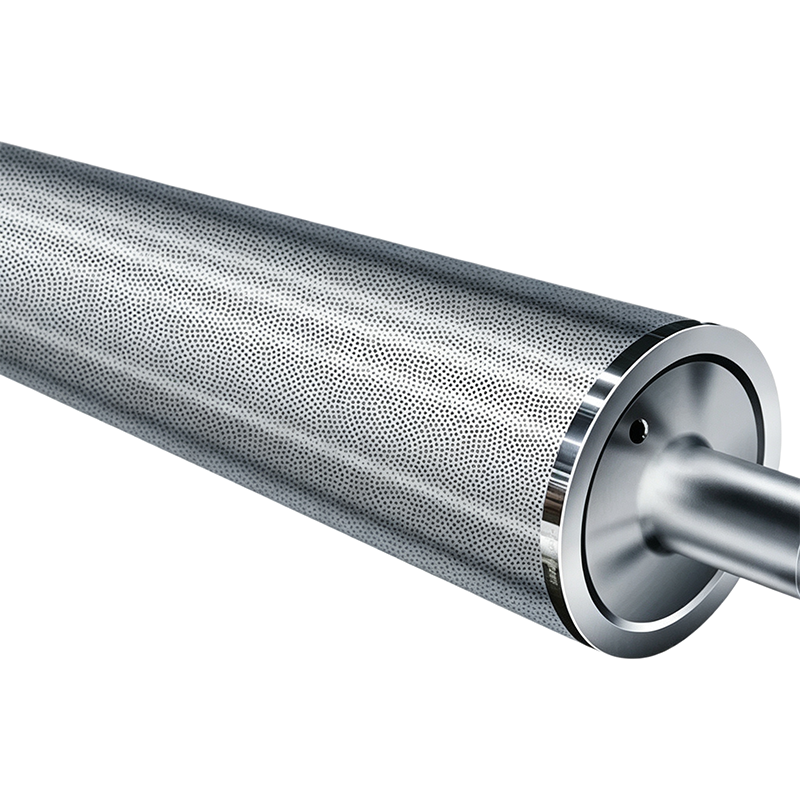
Ceramic coatings are applied using advanced plasma spraying techniques. They offer phenomenal thermal insulation, chemical resistance, and a surface that can be laser-engraved with microscopic precision.
AstraRoll Solution 1: Custom Plasma Sprayed Ceramic Coated Aluminum Rollers
Ideal for applications needing a lightweight core (aluminum) combined with a rock-hard, heat-resistant surface for continuous web processing.
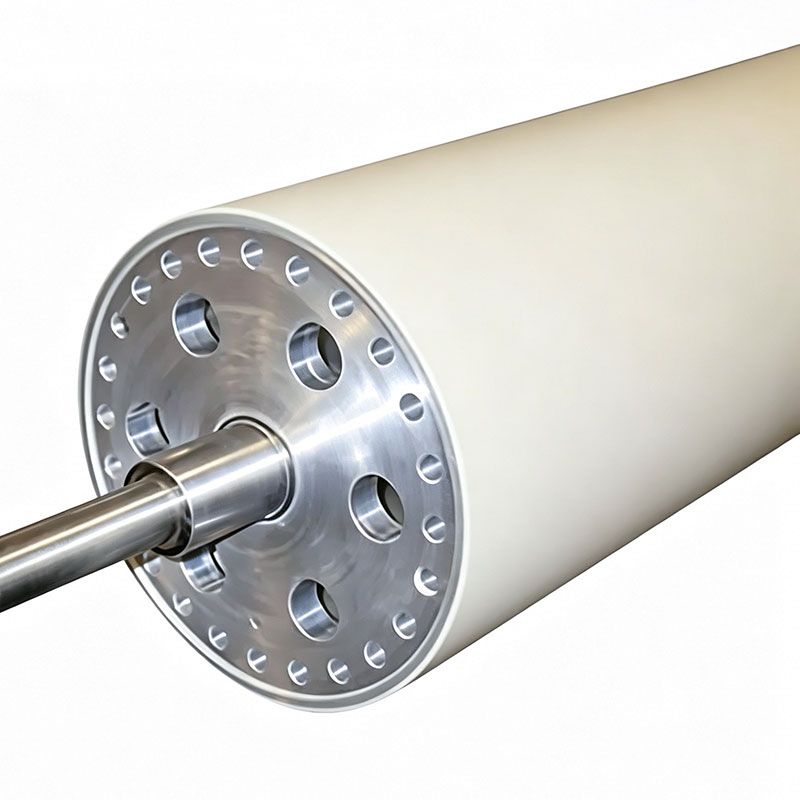
AstraRoll Solution 2: Industrial Ceramic Aluminum Anilox Rollers for Flexographic Printing
Ceramic is the gold standard for printing. The hard ceramic surface allows for high-definition laser engraving of microscopic "cells" that transfer exact volumes of ink to the printing plate, ensuring flawless, high-speed flexographic printing without wearing down.
Key Industrial Applications of Hard Coated Rollers
Hard coated rollers are the unsung heroes across various high-speed, heavy-duty, and high-precision manufacturing environments. Here is where these engineered surfaces make the biggest impact:
- Flexographic & Gravure Printing: High-speed printing requires flawless ink transfer. Ceramic-coated anilox rollers are essential here, as their hard surfaces can be laser-engraved with millions of microscopic cells to carry precise ink volumes without wearing down against the doctor blade.
- Corrugated Board Manufacturing: Producing cardboard involves crushing, pressure, heat, and abrasive kraft paper. Tungsten carbide-coated flute rollers are the backbone of the single-facer machine, maintaining the perfect flute profile and extending the roller's life by years compared to uncoated steel.
- Flexible Packaging & Web Converting: When laminating, slitting, or rewinding ultra-thin plastic films or aluminum foils, web tension is critical. Hard chrome and ceramic-coated guide rollers provide the low-friction, scratch-free, and low-inertia surfaces needed to prevent web breaks and wrinkling.
- Plastic Film Extrusion: In blown film or cast film lines, rollers must cool or guide molten plastic without it sticking. Hard chrome-plated rollers offer the perfect mirror-finish and release properties to ensure the plastic film remains perfectly transparent and blemish-free.
- Metal Coil Processing: Processing steel or aluminum coils requires rollers that can withstand extreme abrasive forces. Hard-coated tension rollers and bridle rolls prevent slippage and surface scratching while handling heavy metallic webs.
Conclusion: Upgrading Your Production Line
Choosing the right hard-coated roller isn't just about buying a spare part; it's about upgrading the capability, speed, and reliability of your entire production line. Whether you need the brute toughness of Tungsten Carbide, the sleek release of Hard Chrome, or the microscopic precision of Plasma-Sprayed Ceramic, matching the coating to your specific environmental challenge is key.
- The Silent Quality Drivers: How High-Precision Rollers Shape Release Film Perfor
- What Are the Benefits of Hard Anodized Aluminum Guide Rollers?
- Why High-End Manufacturing Cares So Much About Roller Surface Precision
- Why Your Heavy-Duty Conveyor Needs Garland Idler Rollers
- What are the differences and applications between anilox roller and embossing ro
- Why Teflon Coated Aluminum Rollers Are the Best Choice for Non-Stick Web Handlin
- How to Eliminate Static Accumulation and Defect Risks in High-Speed Battery Sepa
- What Are Hard Coated Rollers?