
Phone: +86 15398058207
E-mail: sales@astraroll.com
Add: Room 603 Building C, The Huixin Center, Zhangba One Road, Yanta Zone, Xi'an City, Shaanxi Province, China
Why Roller Surface Temperature Uniformity is the Key Factor to Micron-Level Electrode Calendering
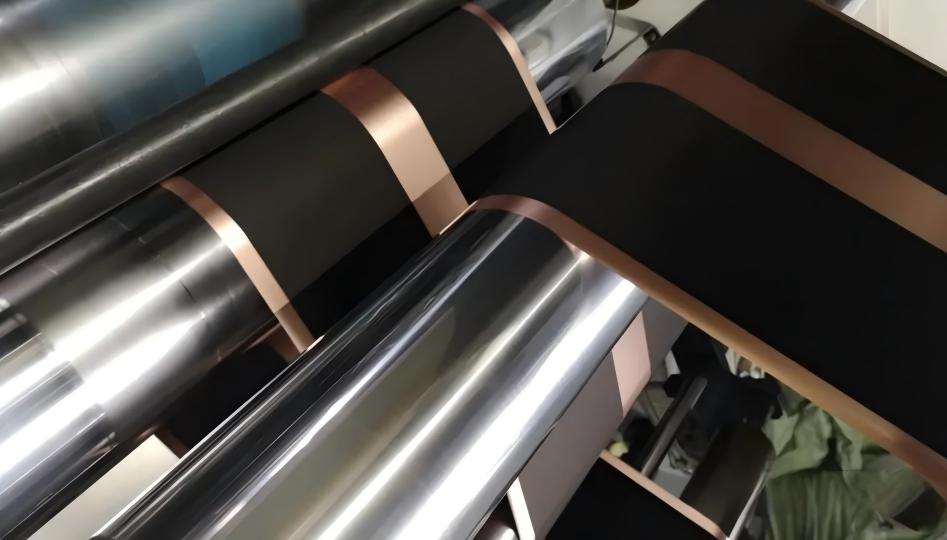
However, modern high-energy-density cells demand electrode thickness tolerances down to the micron level (±1~2μm). In production, many facilities notice that even when mechanical tolerances like Total Indicator Runout (TIR) are optimized to the limit, the compacted electrodes still exhibit inconsistent thickness or severe edge-waving defects.
The primary cause is frequently overlooked: roll surface temperature uniformity.
I. How Temperature Non-Uniformity Disrupts Micron-Level Precision
Hot calendering (typically ranging from 80℃ to 150℃) has become standard on high-end battery lines because heat reduces the deformation resistance of the active materials. However, if cross-web temperature variation exceeds ±2℃, it triggers a series of processing failures:
1. Thermal Expansion and Geometric Distortion
Metal rollers expand when heated. On wide-width calendering lines, if the center of the roll is even slightly hotter than the ends, the micron-level thermal expansion alters the flat cylinder into a slightly barrel-like geometry. This slight distortion alters the precise roll gap, leading to uneven cross-web thickness (e.g., thin in the center, thick at the edges).
2. Mismatched Elongation and "Edge-Waving"
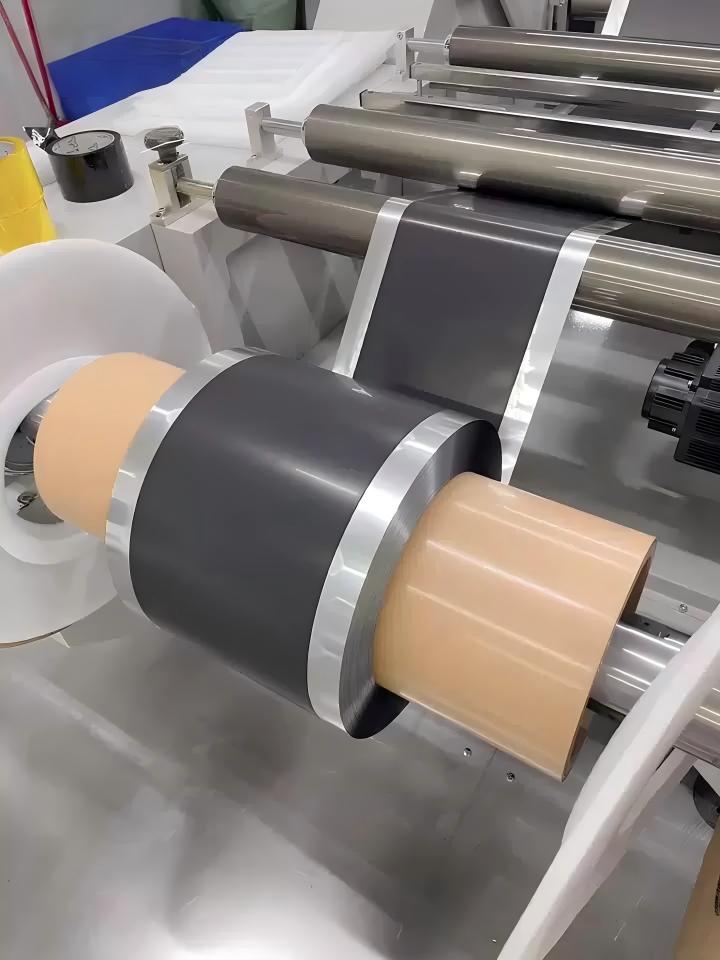
Active materials passing through hotter roll zones undergo greater compaction and elongation compared to cooler zones. This uneven elongation across the foil width generates internal mechanical stresses. Upon exiting the roll gap, these stresses manifest as wave-like deformations on the foil edges ("edge-waving") or severe "camber" defects after slitting, completely disrupting high-speed winding alignment.

3. Inconsistent Rebound and Cell Degradation
Electrode coatings exhibit elastic spring-back (rebound) behaviors after compression. Uniformly heated binders (such as PVDF) and active particles yield stable, predictable spring-back. Conversely, fluctuating surface temperatures cause localized variations in the micron-level rebound rate, directly destroying the volumetric energy density and micro-porosity uniformity of the final cell.
II. Engineering Solutions for Absolute Thermal Uniformity
Maintaining a cross-web temperature deviation within ±0.5℃~±1℃ across heavy-duty, fast-spinning rollers is a major surface engineering challenge. The core industry solutions include:
1. Optimized Internal Flow Channels
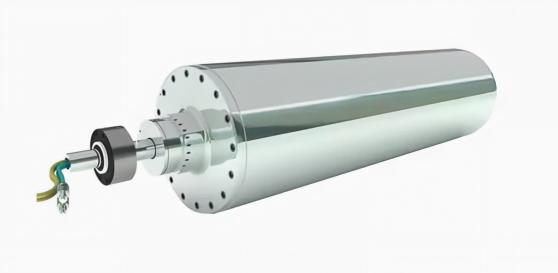
For oil-heated calendering rollers, conventional single-cavity designs cause a hot inlet and a cool outlet. Precision CNC deep-hole boring must be used to engineer peripheral multi-bore or dual-cross circulation flow channels. This enables high-velocity thermal oil to cycle close to the outer shell surface, maximizing heat transfer and eliminating thermal dead zones.
2. Multi-Zone Induction Heating
Compared to thermal oil, electromagnetic induction heating offers rapid response times. Utilizing multi-zone independent induction coils paired with infrared surface temperature feedback loop systems allows real-time, localized power compensation. This counteracts rapid heat loss at the roller ends, locking high-speed cross-web temperature variation within an ultra-tight margin.
3. Counteracting Mechanical Deflection
In addition to thermal expansion, massive calendering forces (often exceeding hundreds of tons) cause mechanical deflection—where the roll subtly bends in the center. High-precision calendering roller cores must be forged from high-rigidity alloy steels and engineered with precision crown compensation grinding to dynamically offset mechanical bending with thermal expansion.
III. AstraRoll High-Precision Calendering Roller Performance
To meet the rigorous standards of global lithium-ion battery supply chains, AstraRoll manufactures heavy-duty rollers according to strict precision thresholds:
| Process Challenges | Core Technical | AstraRoll Standards | Direct Production Benefits |
|---|---|---|---|
| Thermal Deformation | Cross-Web Temp Uniformity | ≤±0.5℃~±1℃ | Keeps roll gaps microscopically stable; restricts lateral thickness errors within ±1μm. |
| Mechanical Deflection | Deflection and Bulge Compensation | Pre-stressed Grinding + Custom Crown Profile | Deflects high-tonnage compaction forces; permanently eradicates edge-waving and foil breaks. |
| High-Speed Vibrations | Geometric Runout (TIR) | ≤0.003~ 0.005mm | Eliminates structural resonance; ensures zero micro-scratching or delamination on coatings. |
Conclusion: Transform Temperature into a Precision Asset
In the micron-level manufacturing race of the battery sector, a temperature variance of just a few degrees translates into massive scrap rates and financial losses down the line.
As a dedicated manufacturer of high-precision industrial rollers, AstraRoll balances the physics of heat transfer and structural rigidity. Through full CNC precision grinding, ISO 21940 dynamic balancing validation, and advanced thermodynamic channel modeling, we deliver calendering roller cores with ultimate thermo-mechanical stability.
Are you seeking to resolve edge-waving issues or optimize electrode thickness consistency?
Contact the AstraRoll engineering team today. Share your target operating temperatures or technical specifications, and we will provide a high-ROI, precision-engineered roller solution within 24 hours!
- The Silent Quality Drivers: How High-Precision Rollers Shape Release Film Perfor
- What Are the Benefits of Hard Anodized Aluminum Guide Rollers?
- Why High-End Manufacturing Cares So Much About Roller Surface Precision
- Why Your Heavy-Duty Conveyor Needs Garland Idler Rollers
- What are the differences and applications between anilox roller and embossing ro
- Why Teflon Coated Aluminum Rollers Are the Best Choice for Non-Stick Web Handlin
- How to Eliminate Static Accumulation and Defect Risks in High-Speed Battery Sepa
- What Are Hard Coated Rollers?