
Phone: +86 15398058207
E-mail: sales@astraroll.com
Add: Room 603 Building C, The Huixin Center, Zhangba One Road, Yanta Zone, Xi'an City, Shaanxi Province, China
How to Select the Best Heavy-Duty Rollers for Mining Conveyor Systems?
Selecting the right roller for a mining application is a critical engineering decision. In mining, conveyors operate under demanding conditions that include heavy impact loads, abrasive materials, continuous operation, dust exposure, moisture, and frequent vibration. A poorly selected roller can lead to premature wear, misalignment, increased maintenance, unplanned downtime, and higher operating costs. For this reason, choosing the correct heavy-duty mining rollers is not only a technical matter, but also a direct factor in productivity and system reliability.
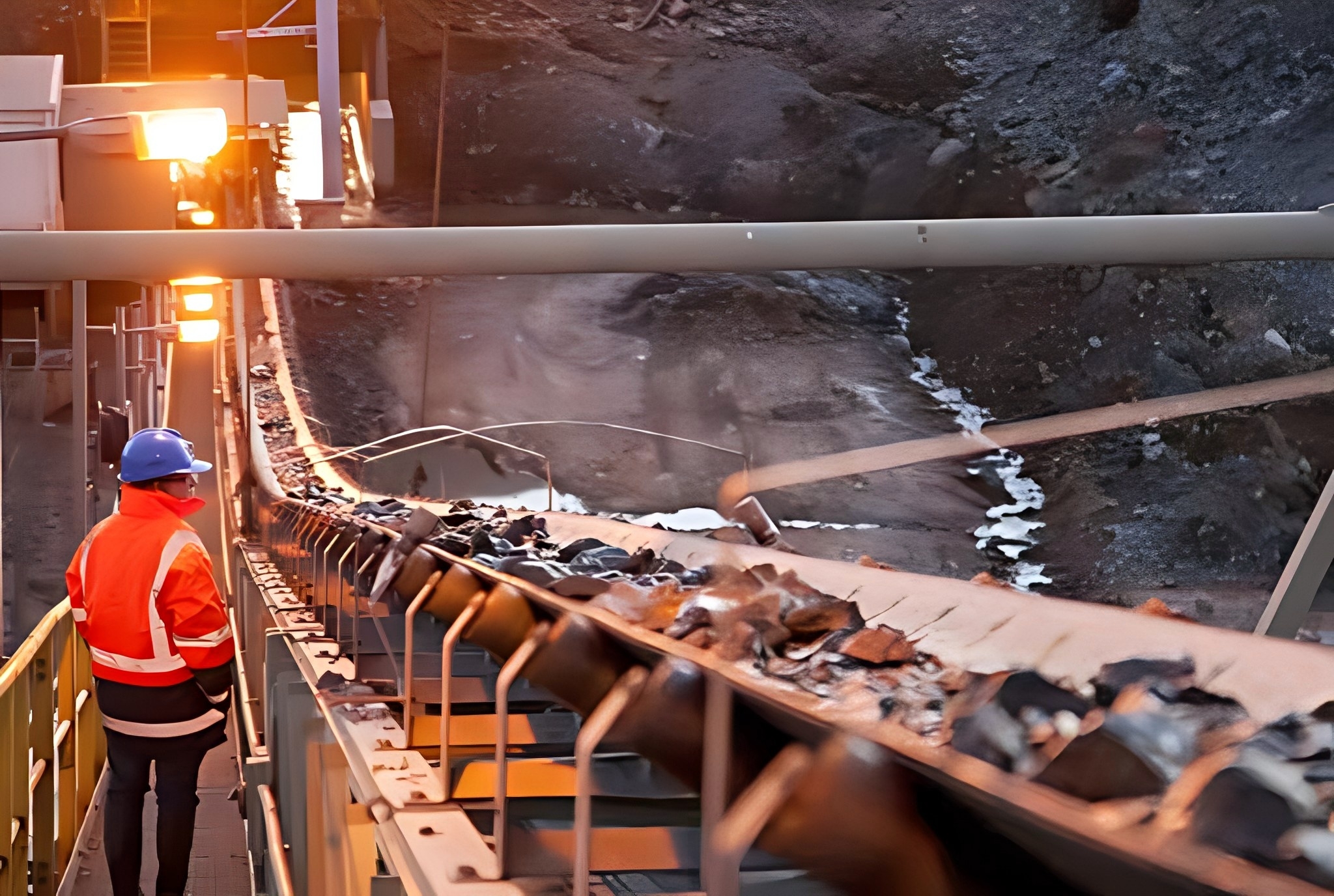
Why Roller Selection Matters in Mining Conveyor Systems?
Mining conveyor systems are exposed to some of the most severe operating conditions in industrial material handling. The roller is one of the most important components in the entire conveyor structure because it supports the conveyed load, reduces friction, and helps maintain smooth movement across long distances.
In mining operations, conveyor rollers must often handle large volumes of ore, stone, coal, gravel, sand, and other abrasive materials. These loads may be heavy, uneven, or impact-prone. If the roller design is not suitable, problems such as shell deformation, bearing failure, shaft bending, and roller seizure can occur. In addition, contaminated environments can accelerate wear if the roller sealing system is not properly engineered.
That is why selecting the right conveyor roller for mining applications requires more than just checking the diameter. It requires a careful balance of load capacity, roller material, shaft design, bearing type, sealing performance, and environmental resistance.
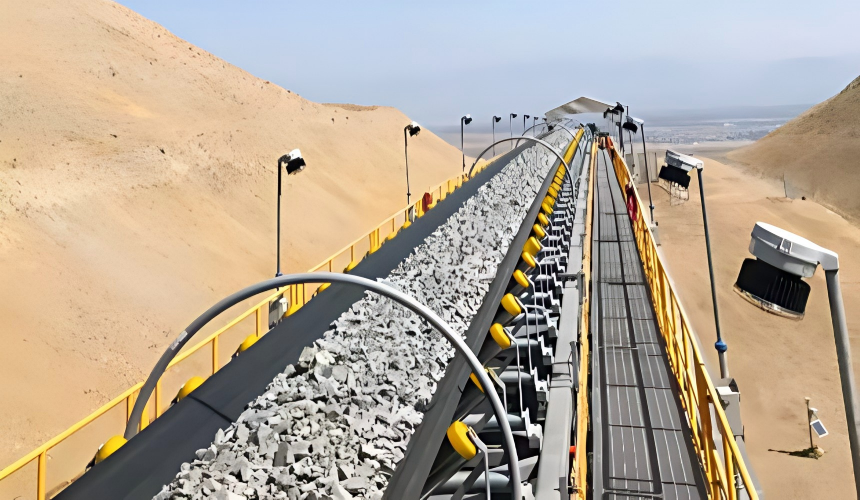
Key Factors When Selecting Heavy-Duty Mining Rollers
1. Load CapacityLoad capacity is the first and most important factor in selecting a roller for mining applications. A roller must be able to support not only the static load of the conveyed material, but also the dynamic impact created during loading, transfer, and start-stop operation.
For heavy-duty conveyor systems, especially those used in mining conveyor lines, high-load conveyor systems, and ore transport conveyors, the load rating must include a sufficient safety margin. This is especially important in applications where large stone, mineral ore, or bulk raw materials are conveyed continuously over long distances.
When evaluating load capacity, engineers should consider the following:
- Total carried weight per roller
- Roller spacing
- Conveyor speed
- Impact loading at transfer points
- Operating duty cycle
- Safety factor required by the project
For harsh mining environments, under-designed rollers often fail early due to excessive shell stress or bearing overload. A properly rated heavy-duty conveyor roller reduces maintenance risk and improves long-term system stability.
2. Roller MaterialThe material of the roller should always match the operating environment. In mining applications, common choices include:
- Carbon steel rollers
- Stainless steel rollers
- Rubber-coated rollers
- Polyurethane-coated rollers
For most heavy-duty mining conveyor rollers, steel is the preferred base material because it offers the strength required for high-load transport. Rubber-coated or polyurethane-coated rollers may be used in specific sections where impact damping, surface protection, or noise reduction is important.
For example, steel conveyor rollers are often selected for rugged mining environments due to their strength and cost-effectiveness, while coated rollers may be chosen where abrasion control or reduced material damage is needed.
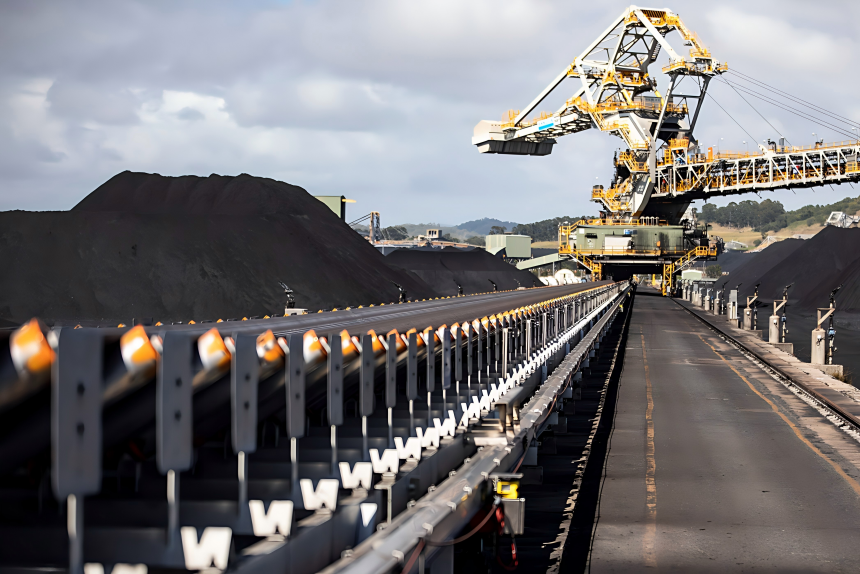
3. Environmental Conditions
Mining environments are generally harsh and unpredictable. Common operating conditions include:
- Dust and fine particles
- Moisture and humidity
- Corrosive materials
- Abrasive contact
- Heavy shock loading
- Outdoor exposure
Because of this, the roller must be selected not only for load performance but also for environmental resistance. In many cases, protective sealing, corrosion-resistant surface treatment, and reinforced structural design are required.
For coal mine conveyor rollers, quarry conveyor rollers, and ore handling rollers, the environment often has as much impact on roller life as the load itself.
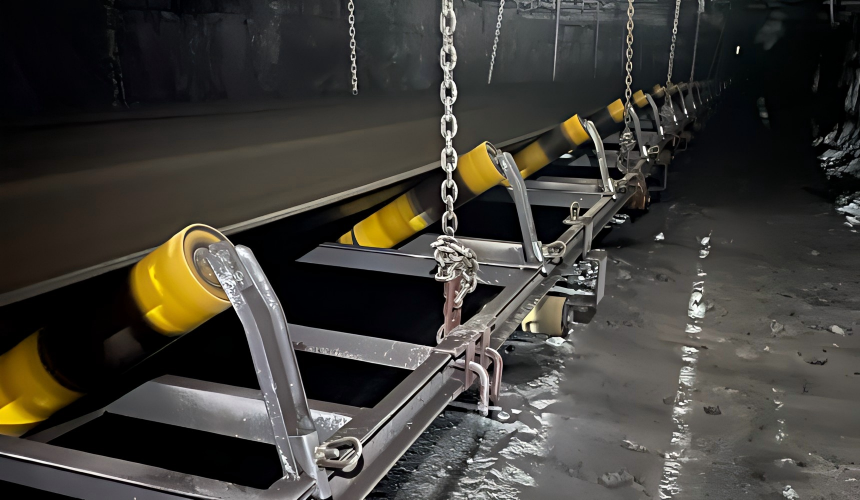
4. Types of Rollers Used in Mining Conveyor Systems
Mining conveyor systems require different types of rollers to support various sections of the conveyor line. Each roller type performs a specific function, from carrying heavy loads to absorbing impact or maintaining belt alignment. Selecting the correct roller type helps improve system efficiency, reduce belt wear, and maintain stable material transport in demanding mining environments.
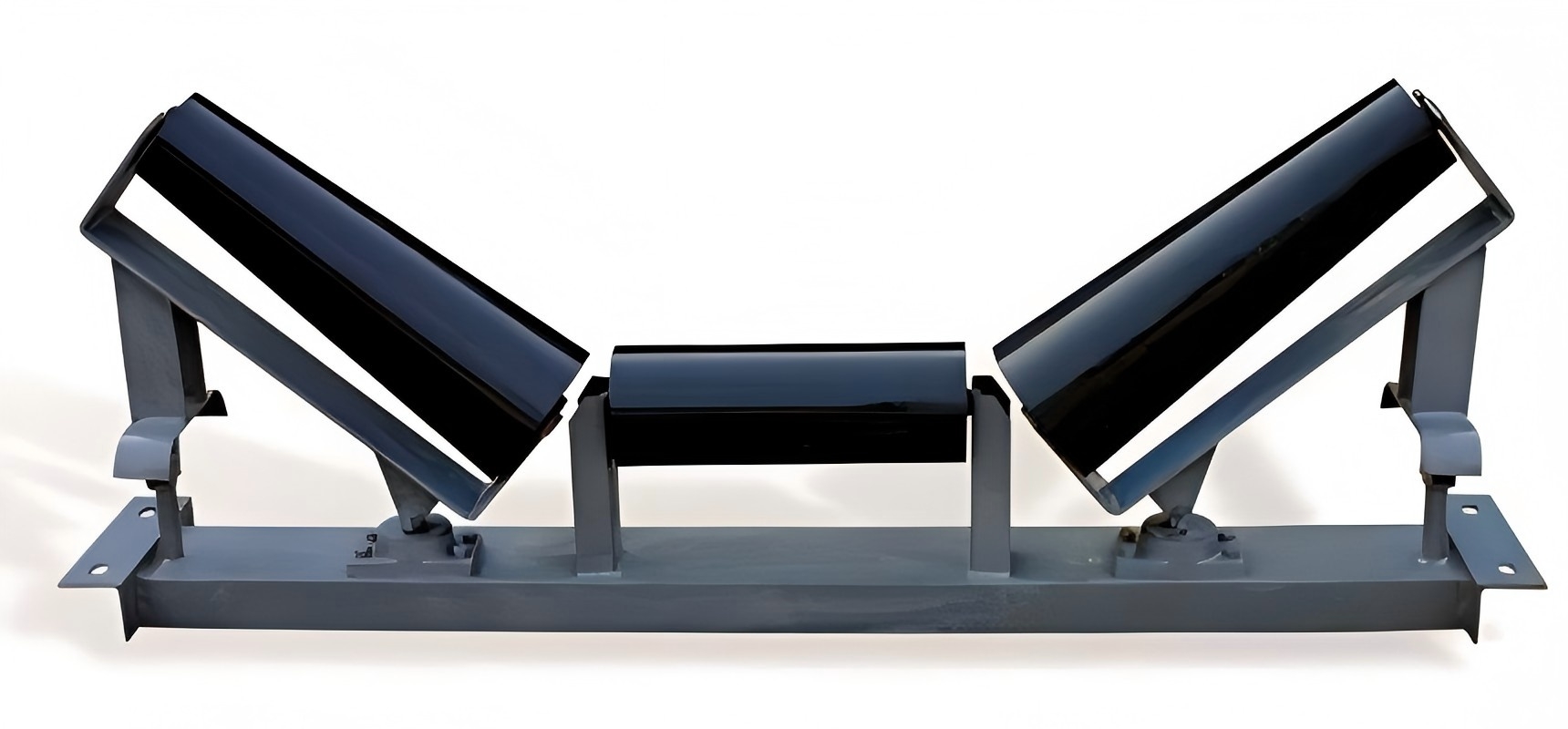
- Troughed Idler Rollers
Troughed idler rollers are designed to support the conveyor belt in a trough-shaped configuration. This structure helps contain bulk materials such as ore, coal, gravel, and sand while increasing the overall load-carrying capacity of the conveyor system.
The angled arrangement of the rollers forms a channel that keeps materials centered on the belt and prevents spillage during transport. Troughed idler rollers are widely used in long-distance mining conveyors and bulk material handling systems where high throughput and stable material flow are required.
Key functions include supporting heavy loads, maintaining belt shape, and improving material containment.
- Parallel Rollers
Parallel rollers are typically arranged horizontally and used in applications where the conveyor belt needs stable, evenly distributed support. These rollers are commonly used in flat conveyor sections or specialized material handling systems.
In mining environments, parallel rollers can help maintain consistent belt movement and reduce localized stress on the belt surface. Their simple structure makes them suitable for continuous-duty applications where reliability and smooth rotation are essential.
The primary function of parallel rollers is to provide uniform support for the conveyor belt while maintaining steady transport of bulk materials.
- Self-Aligning Rollers
Self-aligning rollers are designed to automatically correct belt misalignment during operation. Conveyor belts in mining systems can drift due to uneven loading, frame deformation, or environmental factors. When misalignment occurs, it can cause belt edge damage, increased wear, and operational instability.
Self-aligning rollers use a pivoting or guiding mechanism that gradually redirects the belt back to its correct position. This helps maintain proper belt tracking and reduces the risk of belt damage.
These rollers are particularly important in long mining conveyor lines, where maintaining alignment is critical for reliable operation.
- Impact Rollers
Impact rollers are installed in loading zones where bulk materials are dropped onto the conveyor belt. In mining applications, large and heavy materials such as rocks or mineral ore can create strong impact forces when they first contact the belt.
Impact rollers are typically equipped with rubber rings or shock-absorbing surfaces that help cushion the impact and protect both the conveyor belt and the supporting structure. By reducing the force transmitted to the conveyor frame, impact rollers help extend the service life of the belt and other system components.
Their main function is to absorb shock loads and protect the conveyor system during material loading.
- Return Rollers
Return rollers are installed on the underside of the conveyor system to support the empty return side of the belt after material discharge. Although they do not carry material loads, return rollers play an important role in maintaining smooth belt movement and preventing excessive sagging.
In mining operations, return rollers must still be durable because they operate continuously in dusty and abrasive environments. Properly designed return rollers help reduce belt friction and improve overall conveyor efficiency.
- Cleaning Rollers
Cleaning rollers are designed to help remove residual materials that remain attached to the conveyor belt after unloading. In mining and bulk material handling systems, fine particles such as coal dust, sand, or mineral residues can stick to the belt surface.
If not removed, these materials can accumulate on rollers, cause belt misalignment, and increase wear on the conveyor system. Cleaning rollers often feature spiral structures, rubber surfaces, or special coatings that help dislodge and remove debris from the belt.
Their main function is to maintain belt cleanliness, reduce material buildup, and improve long-term conveyor reliability.
- Transition Rollers
Transition rollers are used in the transition zones of the conveyor system where the belt changes shape from flat to troughed or from troughed back to flat. These areas require careful support because the belt structure is adjusting its form.
Transition rollers help guide the belt gradually into the required shape, reducing stress on the belt edges and minimizing the risk of deformation or damage. Properly designed transition zones are essential for maintaining belt integrity and preventing premature wear.
These rollers ensure smooth belt shaping and help maintain stable operation across different conveyor sections.
5. Mining Industry Applications
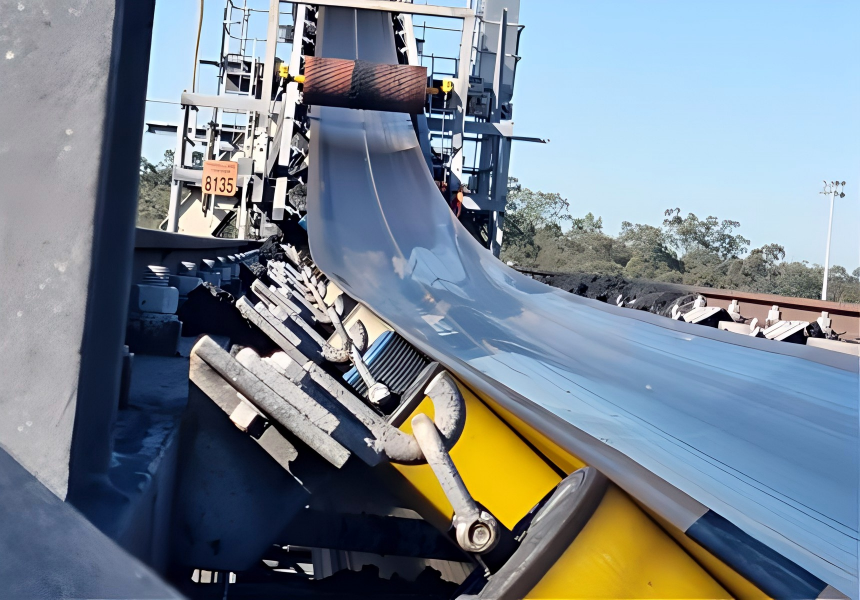
Heavy-duty rollers are widely used in a broad range of mining-related operations, including: Coal mine conveyor systems Ore transport conveyor lines Quarry material handling systems Mineral processing plants Bulk raw material transport Crushing and screening lines Transfer stations Loading and discharge conveyors These applications typically require mining conveyor rollers, industrial conveyor rollers, and high-load conveyor rollers that can maintain reliable performance under continuous stress.
6. Compliance and Quality Expectations
For industrial buyers, quality control is often as important as mechanical performance. In many projects, customers look for consistent manufacturing standards, stable product quality, and documented inspection processes. AstraRoll supports this requirement through ISO-certified quality systems and a strict engineering approach that helps ensure product consistency and application reliability.
If a project involves special technical requirements, our engineering team can evaluate the working conditions and recommend the most suitable roller structure, material, and bearing configuration for the application.
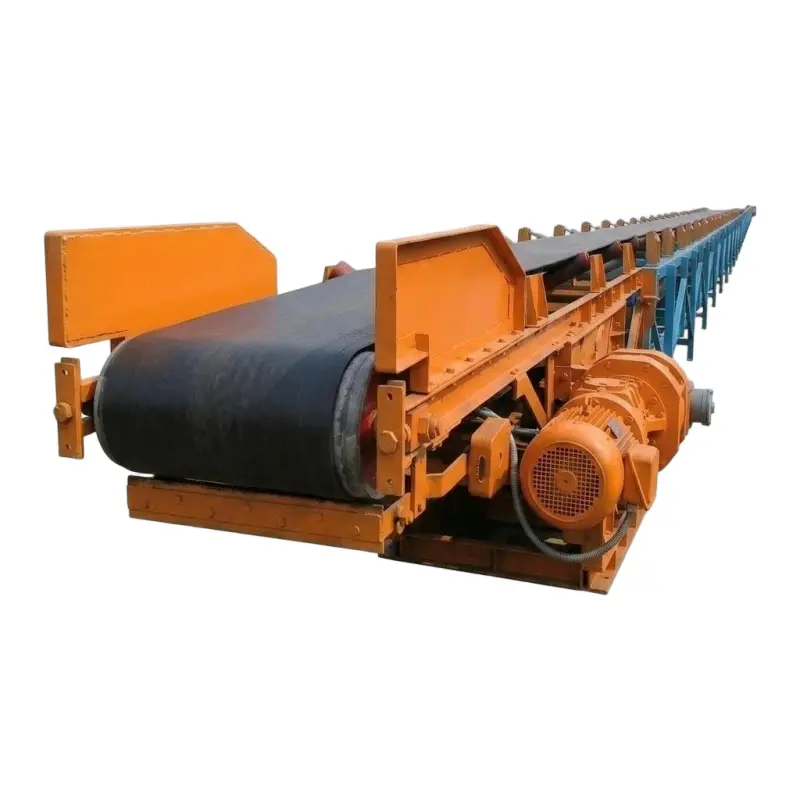
- Explosion proof electric roller
- The Silent Quality Drivers: How High-Precision Rollers Shape Release Film Perfor
- What Are the Benefits of Hard Anodized Aluminum Guide Rollers?
- Why High-End Manufacturing Cares So Much About Roller Surface Precision
- Why Your Heavy-Duty Conveyor Needs Garland Idler Rollers
- What are the differences and applications between anilox roller and embossing ro
- Why Teflon Coated Aluminum Rollers Are the Best Choice for Non-Stick Web Handlin
- How to Eliminate Static Accumulation and Defect Risks in High-Speed Battery Sepa