
Phone: +86 15398058207
E-mail: sales@astraroll.com
Add: Room 603, Building C, Huixin Center, No.1 Zhangba Road, Yanta District, Xi'an, Shaanxi, China
AstraRoll Custom Industrial Rollers
AstraRoll Custom Industrial Rollers: From Drawing to Precision-Machined Solution
Standard rollers work well for standard applications. But many industrial processes demand something more specific: a roller that fits a unique machine envelope, handles an unusual load, resists a particular chemical, protects a delicate product or runs at a speed where balance and concentricity become critical. In these cases, a catalog roller is rarely enough. You need a custom industrial roller engineered from the application requirements up.
Custom rollers are not simply "standard rollers made to a different length." They are engineered components. The diameter, wall thickness, shaft design, bearing selection, surface finish, covering material and balancing grade all interact. A change in one parameter can affect the others. Getting the design right requires a structured process that moves from application data to drawing, from drawing to machining, and from machining to inspection.
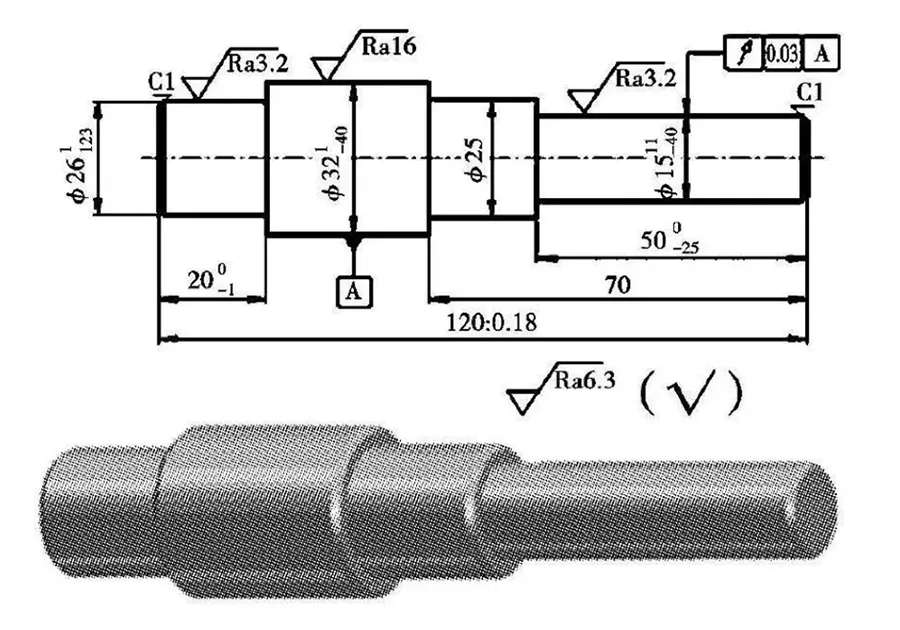
At AstraRoll, we have built our business around custom roller engineering. Our team works directly from customer drawings, samples and application data to deliver precision-machined rollers for printing, packaging, logistics, textile, electronics, food processing, automotive and general industrial applications. This guide explains the complete custom roller process - from the first drawing review to the final precision-machined solution - so you know what to expect and how to specify a roller that performs.
Why Custom Rollers Matter
A roller is a rotating mechanical interface. It touches the belt, the web, the product or the process material. When that interface is not optimized, the consequences show up downstream: web wrinkling, uneven coating, product marks, belt mistracking, vibration, premature bearing failure and unplanned downtime.
Custom rollers address these problems by matching the roller to the application rather than forcing the application to accept a compromise. A custom roller can be designed for:
- Exact machine dimensions: length, diameter, shaft size and mounting configuration that fit without adapters or modification.
- Specific load and speed: wall thickness, shaft diameter, bearing type and balancing grade selected for the duty.
- Environmental resistance: stainless steel, coatings, seals and covers that survive humidity, chemicals, washdown or high temperatures.
- Product protection: rubber, silicone or PU covers that provide grip, release or shock absorption without damaging the product.
- Web handling precision: tight concentricity, dynamic balancing and surface finish that maintain web tension and prevent defects.
- Weight and inertia reduction: aluminum alloy or carbon fiber construction for high-speed and rapid-acceleration applications.
For machine builders, custom rollers are often part of a proprietary design. For end users, they are a way to improve performance, reduce maintenance and extend equipment life. In both cases, the value comes from engineering the roller as a solution, not just a part.
Step 1: Gather the Application Requirements
The custom roller process begins with information. Before we can design a roller, we need to understand the application. The more complete the input, the better the output. Key questions include:
- What is the roller's function? Is it supporting a conveyor belt, guiding a web, applying pressure, driving a belt, spreading material or cleaning a surface? The function determines the roller type - idler, drive pulley, nip roller, expander, brush roller or specialty roller.
- What are the dimensions? Overall length, face length, diameter, shaft diameter, shaft extension, keyway or flat, mounting centers and available space.
- What is the load? Static load, dynamic load, belt tension, web tension, nip pressure and any impact loads.
- What is the speed? Surface speed, RPM and acceleration/deceleration requirements.
- What is the environment? Temperature, humidity, chemicals, washdown, dust, outdoor exposure and corrosion risk.
- What is the product? Material, thickness, fragility, tackiness, abrasiveness and temperature sensitivity.
- What is the drive configuration? Direct drive, belt drive, gearbox, coupling or free-running.
- What are the quality requirements? Concentricity, runout, balance grade, surface finish, hardness and tolerances.
- What are the maintenance and lifecycle expectations? Service interval, replacement strategy and total cost of ownership targets.
If a drawing exists, it is the starting point. If not, our engineers can work from samples, measurements or a description of the machine and process. AstraRoll's team supports both OEM and ODM projects, so we can design from scratch when needed.
Step 2: Drawing Review and Design Engineering
Once the requirements are clear, the next step is drawing review and design engineering. This is where potential problems are caught before metal is cut.
Our engineers review the customer drawing for:
- Dimensional consistency: Do the length, diameter, shaft and mounting dimensions fit the machine? Are there any conflicts or missing dimensions?
- Tolerance stack-up: Will the specified tolerances produce the required fit and function? Are the concentricity and runout requirements achievable and appropriate?
- Material selection: Is the specified material suitable for the load, speed and environment? Would a different material improve performance or reduce cost? For example, a stainless steel roller may be needed for corrosion resistance, while an aluminum alloy roller may be better for weight reduction.
- Shaft design: Is the shaft diameter sufficient for the load and torque? Are the keyway, flat, bearing fits and mounting details correct?
- Bearing selection: Are the bearings sized for the load and speed? Are seals appropriate for the environment?
- Surface finish and covering: Is the surface specification suitable for the product? Does it need a rubber, silicone or PU cover? Does it need grooving, knurling, plating or coating?
- Balancing: Does the speed require dynamic balancing? What grade is appropriate?
- Manufacturability: Can the roller be machined, assembled and inspected efficiently and consistently?
If we see an opportunity to improve the design, we propose it. Sometimes a small change in diameter, wall thickness or bearing selection can improve performance, reduce cost or simplify manufacturing. Our goal is not just to make the drawing, but to make the roller work better in the application.
For custom drive rollers, we may also review the drive drum pulley design for torque capacity, lagging and belt alignment. For conveyor applications, we may recommend idler rollers or conveyor rollers optimized for tracking and load distribution.
Step 3: Material Selection and Core Manufacturing
With the design approved, manufacturing begins. The first stage is core preparation: cutting, machining and preparing the roller shell and shaft.
Material selection is a critical part of this stage. The core material affects strength, stiffness, weight, corrosion resistance and machinability. Common options include:
- Carbon steel: cost-effective, strong and suitable for general industrial applications. Often used for carbon steel rollers where corrosion is not a major concern.
- Stainless steel: corrosion-resistant and hygienic, suitable for food, pharmaceutical, chemical and washdown environments. See our stainless steel rollers.
- Aluminum alloy: lightweight and corrosion-resistant, ideal for high-speed and low-inertia applications. See our aluminum alloy rollers.
- Carbon fiber: high stiffness-to-weight ratio and low inertia for demanding web handling and high-speed applications. See our carbon fiber rollers.
The shaft is machined to the required diameter, length, keyway or flat and bearing fits. The roller shell is cut to length, machined and prepared for assembly. For covered rollers, the core is prepared for bonding - surface cleaning, priming and sometimes grit blasting to ensure a strong bond between the core and the cover.
Precision machining is central to roller quality. We machine roller cores on heavy-duty CNC turning centers, holding tight tolerances on diameter, concentricity and runout. For long rollers, we pay special attention to straightness and deflection under load. For wide-web and high-tension applications, we may use heavy-wall tubes and internal reinforcement to maintain a straight profile.
Step 4: Covering, Coating and Surface Engineering
After the core is prepared, the next stage is surface engineering. This is where the roller's interaction with the product is defined.
Rubber covering: Rubber rollers are built by bonding a rubber layer to the core, then vulcanizing and grinding to the required hardness and finish. Rubber provides grip, shock absorption and product protection. We offer natural rubber, NBR, silicone rubber, neoprene and EPDM for different chemical and temperature requirements. See our rubber rollers for more details.
Silicone covering: Silicone rollers offer high-temperature resistance, release properties and chemical inertness. They are used in food processing, packaging and high-heat applications. See our silicone rollers.
PU covering: Polyurethane rollers provide excellent wear resistance, load capacity and cut resistance. They are used in demanding conveying and guiding applications. See our PU rollers.
Hard chrome plating: Improves wear and corrosion resistance on steel rollers and provides a smooth, low-friction surface.
Tungsten carbide coating: Provides extreme wear resistance for high-contact and abrasive applications. See our tungsten carbide rollers.
Anodizing: Improves corrosion resistance and surface hardness on aluminum rollers.
Grooving and knurling: Improves grip, air venting and anti-slippage. Groove pattern, depth and pitch are selected based on the application.
Surface finish is specified in terms of roughness (Ra), hardness (Shore A for rubber, Shore D for PU) and visual appearance. For printing, coating and web handling, surface finish affects ink transfer, coating uniformity and web tension. For food processing, surface finish affects cleanability and hygiene.
Step 5: Assembly, Bearing Installation and Balancing
With the core and surface prepared, the roller is assembled. Bearings are installed with the correct fit, lubrication and sealing. Shaft components, brackets, gears or couplings are mounted as required.
Bearing selection is critical. We match bearing type, size, seal and lubrication to the load, speed, temperature and contamination level. For dusty or wet environments, sealed or shielded bearings with effective labyrinth seals are used. For high-load applications, larger or tapered bearings may be required. For food processing and washdown, stainless steel bearings or food-grade lubricants may be specified.
Dynamic balancing is the next critical step for high-speed rollers. At high RPM, even a small imbalance creates centrifugal force that causes vibration, noise and bearing wear. We balance rollers to ISO 21940 G2.5 or G1.0 depending on the application. Balancing is performed on specialized equipment that measures the magnitude and phase of imbalance and removes material or adds correction weights as needed.
For low-speed rollers, static balancing may be sufficient. For high-speed web handling, printing, coating and lamination, dynamic balancing is essential.
Step 6: Quality Inspection and Documentation
Before dispatch, every custom roller is inspected. Our quality control lab uses precision metrology instruments, including digital micrometers, height gauges, ultrasonic thickness testers and surface roughness testers. Inspection typically covers:
- Dimensional accuracy: length, diameter, shaft dimensions, keyway, mounting centers and thread specifications.
- Concentricity and runout: total indicator runout (TIR) on the roller surface and shaft.
- Surface finish: roughness, hardness and visual defects.
- Balance: residual imbalance and balance grade.
- Bearing fit and rotation: smoothness, play and noise.
- Coating and covering: thickness, adhesion and hardness.
- Documentation: inspection reports, material certificates and compliance documents as required.
For critical applications, we can provide additional testing such as ultrasonic testing, dynamic runout measurement or performance testing under simulated load. Documentation is tailored to the customer's quality system requirements.
Step 7: Packaging, Delivery and After-Sales Support
Custom rollers are precision components and must be protected during shipping. We use appropriate packaging - wooden cases, protective wraps, shaft supports and moisture protection - to prevent damage in transit. For export orders, we follow international packaging standards and provide the necessary documentation.
After delivery, our support continues. We provide installation guidance, maintenance recommendations and replacement planning. If a roller needs repair or rework, our team can assess the condition and recommend the most economical solution.
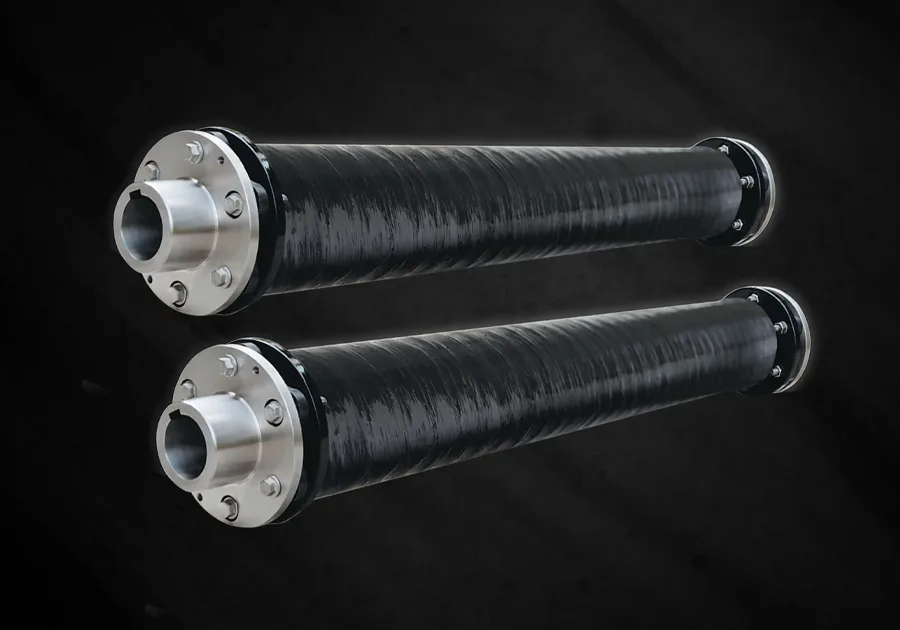
Common Custom Roller Applications
Custom rollers are used across many industries. Some examples:
- Printing and packaging: nip rollers, guide rollers, coating rollers and web handling rollers with precise concentricity and surface finish.
- Logistics and conveyor systems: custom conveyor rollers and idler rollers for specific belt widths, loads and environments.
- Textile and nonwoven: expander rollers, guide rollers and tension rollers for web spreading and control.
- Food processing: stainless steel and food-grade rubber or silicone rollers for hygiene and corrosion resistance.
- Electronics and battery manufacturing: precision rollers for coating, lamination and film handling.
- Automotive and general industrial: drive rollers, pressure rollers and specialty rollers for assembly and processing equipment.
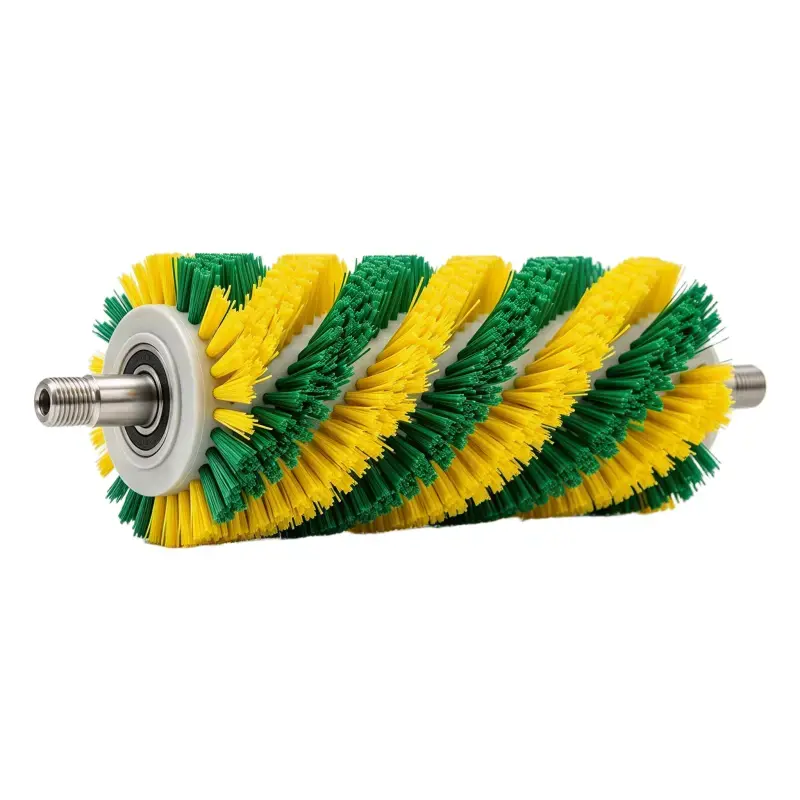
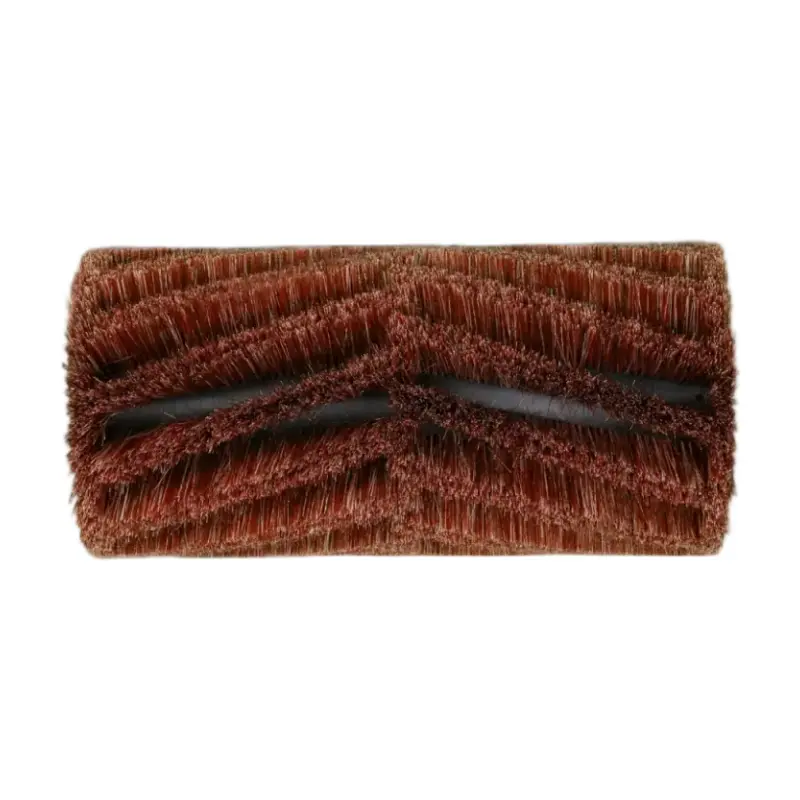
AstraRoll's portfolio includes a wide range of roller types, including industrial rollers for general applications, expander rollers for web spreading, brush rollers for cleaning and air shafts for winding and unwinding.
Why Choose AstraRoll for Custom Rollers
AstraRoll combines engineering capability, manufacturing control and quality assurance. Our advantages include:
- Full in-house manufacturing: from raw material cutting to CNC turning, milling, covering, balancing, coating and inspection. This vertical integration ensures consistent quality and protects proprietary designs.
- Engineering support: our team reviews drawings, proposes improvements and works from samples or application data when drawings are not available.
- Material expertise: we manufacture rollers in steel, stainless steel, aluminum alloy, carbon fiber, rubber, silicone and PU, and we help customers select the right material for the application.
- Precision machining: tight tolerances on diameter, concentricity and runout, with dynamic balancing to G2.5 or G1.0 for high-speed applications.
- Surface engineering: rubber, silicone and PU covering, hard chrome plating, tungsten carbide coating, anodizing, grooving and knurling.
- Quality assurance: 100% inspection before dispatch, with documentation and testing tailored to customer requirements.
- OEM/ODM experience: we support custom designs, private labeling and proprietary projects for global customers.
Whether you need a single prototype or a production run, we can scale our process to meet your requirements.
Custom industrial rollers are engineered solutions, not just machined parts. The process moves from application requirements to drawing review, material selection, precision machining, surface engineering, balancing, inspection and delivery. Each step affects the final performance. By working with a manufacturer that controls the full process, you can get a roller that fits your machine, handles your load, survives your environment and protects your product.
If you have a drawing, a sample or an application challenge, AstraRoll can help. Our team will review your requirements, recommend the right design and material, and deliver a precision-machined roller that performs. Explore our custom roller capabilities or contact us to start your project.
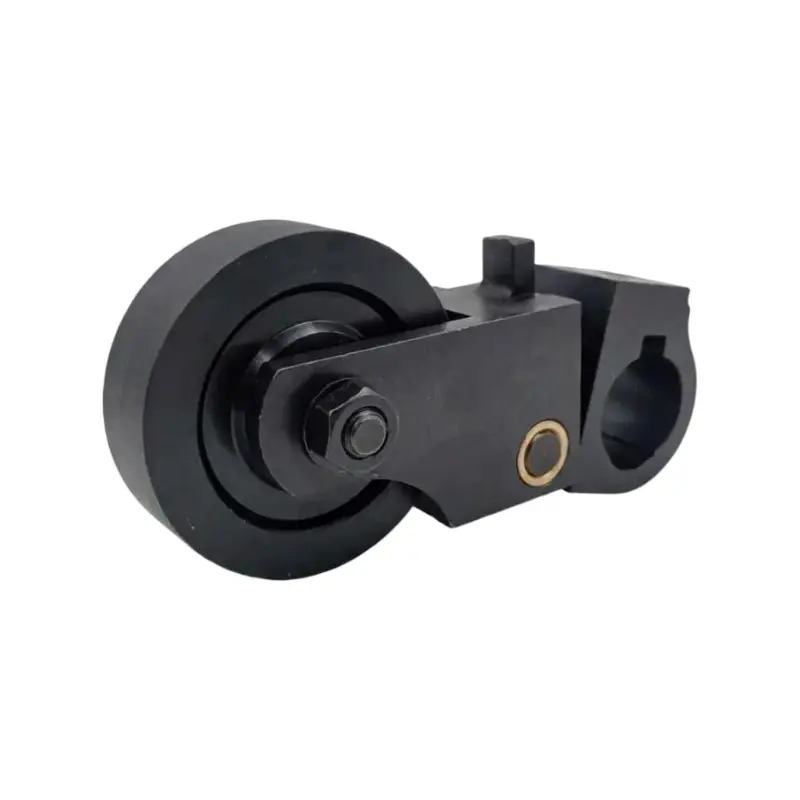
- AstraRoll Custom Industrial Rollers
- 5 Signs Your Industrial Rollers Need Maintenance or Replacement
- Industrial Rollers Material Guide
- How to Choose the Right Industrial Rollers for Your Conveyor System
- Slip Shaft vs Air Shaft: The Two Must-Know Rewind Shafts for Slitting
- Air Shafts – The Unsung Backbone of Automated Web Production Lines
- Air Shafts: How Pneumatic Expanding Shafts Optimize Your Winding
- How to Choose Reliable Heavy‑Duty Brush Roller Manufacturer