
Phone: +86 15398058207
E-mail: sales@astraroll.com
Add: Room 603 Building C, The Huixin Center, Zhangba One Road, Yanta Zone, Xi'an City, Shaanxi Province, China
Anodized Aluminum Rolls vs. PTFE-Coated Aluminum Rolls: What’s the Difference?
Anodized aluminum rolls and PTFE-coated aluminum rolls are easy to confuse. Both use an aluminum base material. Both can look similar at a glance. Both are common in web-handling and industrial equipment. But their surface treatment, performance, and best-fit applications are quite different.
At AstraRoll, we specify custom aluminum guide rolls and related roller components for printing, packaging, film, food, medical, and other production lines. The base material is only the starting point. The surface treatment often decides whether a roll wears well, releases material cleanly, controls tension properly, or causes problems downstream.
Here is a practical comparison.
1. The Base Material Is the Same - The Surface Is Not
Both roll types begin with an aluminum body. Aluminum is chosen for its light weight, good machinability, and thermal conductivity. The difference lies in how the surface is treated.
Anodized Aluminum Rolls
Anodizing is an electrochemical process that forms a dense aluminum oxide layer on the aluminum surface. This oxide layer is ceramic in nature. It is hard, wear-resistant, and tightly bonded to the base metal.
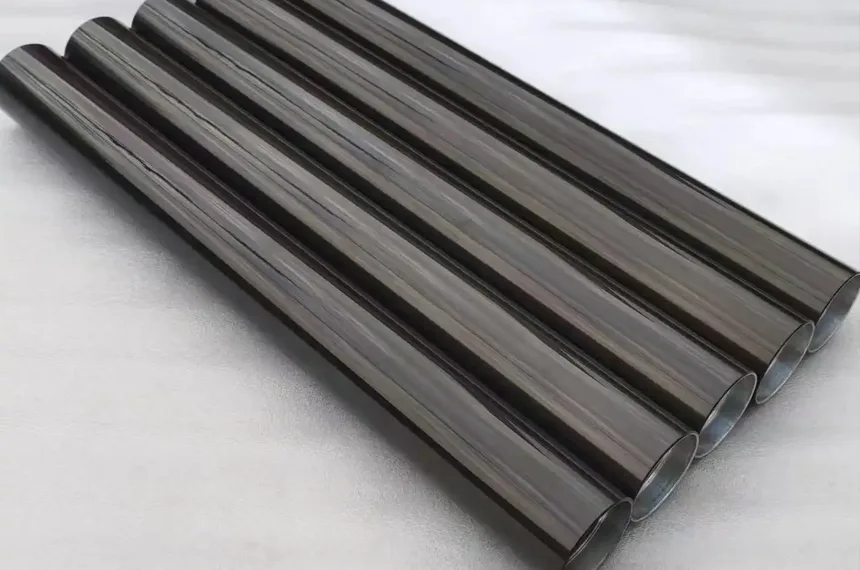
The result is a roll with a metallic surface that offers good hardness and abrasion resistance.
PTFE-Coated Aluminum Rolls
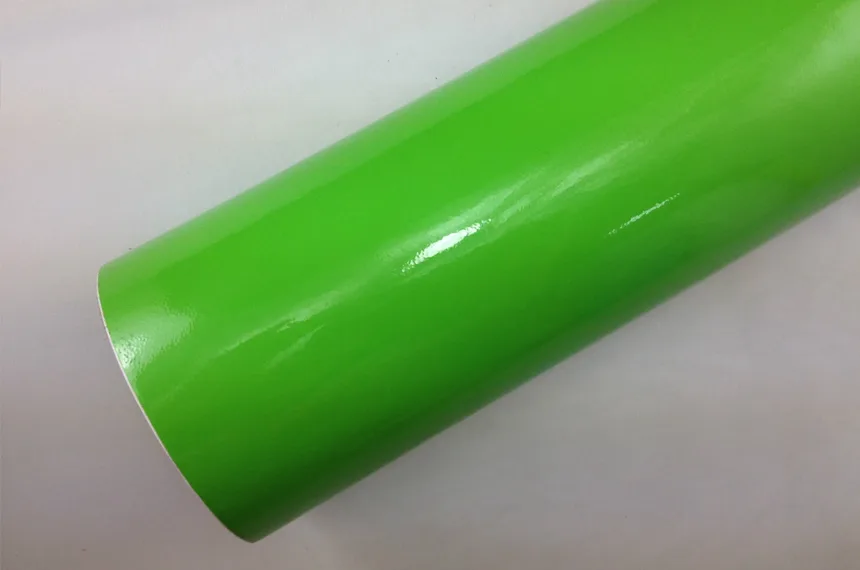
A PTFE-coated aluminum roll has a thin layer of polytetrafluoroethylene - commonly known as Teflon - applied to the aluminum surface. PTFE is an organic fluoropolymer. Its defining properties are low friction and non-stick release.
The coating is relatively thin, and its performance depends on the coating system, surface preparation, and application process.
2. Performance Differences
| Property | Anodized Aluminum Roll | PTFE-Coated Aluminum Roll |
|---|---|---|
| Surface nature | Ceramic-like aluminum oxide layer | Organic fluoropolymer coating |
| Hardness | High | Lower than anodized surface; coating is softer |
| Wear resistance | Good, especially with hard anodizing | Moderate; depends on coating thickness and handling |
| Friction | Higher friction than PTFE; good grip | Very low friction |
| Release / non-stick | Not a release surface | Excellent non-stick properties |
| Heat resistance | Good for an aluminum roll; limited by aluminum base | PTFE can support long-term use in the 250–300°C range depending on the coating system |
| Appearance | Metallic, often clear or colored anodized finish | Usually a coating color, often green, black, or gray |
| Relative cost | Generally lower than PTFE coating | Higher due to coating process |
| Typical strength | Strong surface for support and guidance | Surface designed for release and low friction |
Anodized aluminum rolls: hardness and support
Anodized rolls are often chosen when the roll needs a durable, wear-resistant surface with good mechanical support. The oxide layer improves surface hardness and helps resist abrasion from the web and from contact with guides or cleaning components.
They are not primarily a release surface. If the process needs material to grip, track, or be driven without slipping, an anodized surface may be more suitable than a low-friction PTFE surface.
PTFE-coated aluminum rolls: release and heat
PTFE-coated rolls are chosen when the web must not stick to the roll. The low-friction surface helps prevent adhesive transfer, build-up, and marking. PTFE also offers good heat resistance, which makes it useful in hot lamination, film processing, and similar applications.
The trade-off is that PTFE is a softer coating than anodized aluminum oxide. It can be damaged by sharp edges, abrasive debris, or improper cleaning. Coating quality and surface preparation matter a great deal.
3. Where Each Roll Fits Best
Anodized aluminum rolls are often used for:
- Machine guide rolls
- Printing and conveying rolls
- Packaging equipment rollers
- Tension control rolls
- Applications requiring surface hardness, wear resistance, and a metallic finish
- Situations where moderate friction and good web tracking are useful
PTFE-coated aluminum rolls are often used for:
- Film production lines
- Food and medical conveying applications
- Lamination and hot-press equipment
- Processes requiring non-stick release
- High-temperature environments within the coating’s limits
- Applications where adhesive or coating build-up must be avoided
4. A Simple Selection Rule
A useful starting point:
- Need wear resistance and support? Choose anodized aluminum.
- Need non-stick release and high-temperature performance? Choose PTFE-coated aluminum.
But the decision should not stop at a slogan. AstraRoll recommends reviewing the full working condition before specifying a surface:
- What is the web material—film, paper, foil, label stock, food product, or something else?
- Is the roll driven, idling, or used for tension control?
- Is the process hot? What is the continuous and peak temperature?
- Does the material tend to stick, transfer, or build up on the roll?
- Is the environment food-grade or medical-grade?
- How is the roll cleaned, and what cleaning agents are used?
- How often is the roll handled or replaced?
- Is surface hardness or low friction more important for product quality?
A roll that is perfect for one line can be wrong for another. For example, a low-friction PTFE surface may be excellent for release but unsuitable where the roll must grip the web. A hard anodized surface may wear well but will not solve an adhesive build-up problem.
5. Common Misunderstandings
Both are aluminum, so they perform the same.
No. The base metal is the same, but the surface controls friction, release, wear, and chemical resistance. The surface treatment is often the deciding factor.
PTFE is always better because it is non-stick.
Not always. Non-stick also means low friction. If the process needs traction, tension control, or web tracking, a low-friction surface may cause slipping.
Anodizing makes the roll unbreakable.
Anodizing improves surface hardness and wear resistance. It does not change the mechanical limits of the aluminum body. Roll design, wall thickness, shaft interface, and load still matter.
Any PTFE coating is the same.
Coating thickness, pretreatment, cure process, and base material affect adhesion, durability, and release performance. A poorly applied coating can fail early.
6. How AstraRoll Supports Custom Roller Selection
AstraRoll provides custom aluminum rollers and related web-handling components based on customer drawings and application requirements. We help customers evaluate:
- Roll diameter, face length, and wall thickness
- Shaft and journal interface
- Surface treatment - anodized, hard anodized, PTFE-coated, or other
- Web material and release requirements
- Operating temperature
- Tension, speed, and drive method
- Cleaning and hygiene requirements
- Packaging and transport protection
For a new line, a replacement roll, or a persistent release or wear problem, the right surface treatment can make a significant difference. AstraRoll can review your drawing and process details and recommend a practical roller specification.
Anodized aluminum rolls and PTFE-coated aluminum rolls share the same aluminum base, but they are built for different jobs. Anodizing delivers a hard, wear-resistant surface for guidance, support, and tension control. PTFE coating delivers low friction, non-stick release, and good heat resistance for film, food, medical, and hot-lamination applications.
Choose based on the process - not the name. If you need help specifying an anodized or PTFE-coated aluminum roll for your equipment, contact AstraRoll with your drawing and working conditions. Our team will help you select the right surface for reliable performance.
- Anodized Aluminum Rolls vs. PTFE-Coated Aluminum Rolls: What’s the Difference?
- Steel Rolls vs. Aluminum Rolls: How to Choose the Right Roller for Your Line
- Choosing the Right Air Shaft for Web Handling
- Industrial Cleaning Brush Rollers Factory
- Industrial Brush Rollers Factory
- Three common industrial applications of brush rollers
- Is Hard Chrome Plating Enough for Stretch Rolls?
- Explosion proof electric roller