
Phone: +86 15398058207
E-mail: sales@astraroll.com
Add: Room 603 Building C, The Huixin Center, Zhangba One Road, Yanta Zone, Xi'an City, Shaanxi Province, China
The Silent Quality Drivers: How High-Precision Rollers Shape Release Film Performance
Discover how precision rollers impact release film quality, from release force stability to coating uniformity. Explore key engineering requirements and custom roller solutions for coating lines.
1. Introduction: The Unsung Heroes of Release Film Production
In the production lines of industrial tapes, protective films, and die-cutting materials, release films play a critical behind-the-scenes role. They allow adhesives to peel smoothly, ensure labels adhere flatly, and keep composite materials precise.
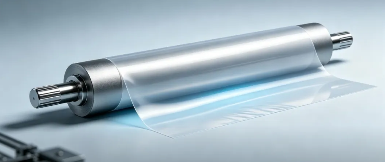
However, few realize that the precision rollers continuously rotating in contact with the film are the true "silent pilots" behind these results. From release force stability to surface cleanliness and unwinding noise, every meter of high-grade release film depends directly on the surface condition and accuracy of these rollers.
2. The 4 Essential Engineering Demands on Precision Rollers
During release film manufacturing - from substrate unwinding and silicone coating to oven curing and slitting—rollers are in constant contact with the film. In the coating section, they act not only as web-handling guides but also control coat weight, transfer heat, and maintain tension.
To achieve optimal performance, release film production places four strict demands on roller engineering:
Tailored Surface Roughness (Ra):Release films require a smooth finish, but smoother is not always better. An overly rough roller scratches the delicate film, while a excessively polished roller can create a vacuum effect, causing uneven web traction or trapped air bubbles. Depending on the coating method, viscosity, and solid content, rollers must be processed with precise mirror finish, super-mirror finish, or specific matte textures.
High Hardness & Wear Resistance:During metering or gravure coating, continuous contact pressure between doctor blades, metering rolls, and backing rolls creates intense friction. Soft roller materials quickly develop grooves or uneven wear, leading to coating weight fluctuations. High-strength alloy steel or stainless steel cores paired with hard chrome plating or thermal-sprayed ceramic coatings are essential for long-term dimensional stability.
Corrosion Resistance & Easy Cleanability:Release agents often contain organic silicone, solvents, or mild acidic additives. Over time, standard carbon steel rollers can corrode, flaking rust particles that contaminate the coating. Stainless steel substrates (such as 304/316) or specialized functional coatings effectively resist chemical corrosion and allow easy cleaning of adhesive residues.
Thermal Uniformity (±1℃):Thermal curing relies on hot rollers or drying ovens. Non-uniform heat distribution causes temperature gradients across the film width, leading to inconsistent silicone cross-linking and localized release force variation. Advanced hollow rollers engineered with internal spiral flow channels ensure precise surface temperature distribution within ±1℃.
3. Troubleshooting Shop-Floor Issues: Is Your Roller "Working Sick"?
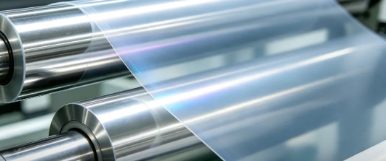
| Quality Defect | Likely Roller Root Cause | Preventive Action |
| Periodic Surface Scratches | Cured silicone debris or micro-burrs on guide roll surfaces. | Regular roller inspection and precision surface cleaning. |
| Transverse Coating Thickness Variation | Backing roll wear, deflection, or improper crown design. | Re-grinding, crown recalibration, or dynamic balancing. |
| Unwinding Noise / Telscoping | Surface roughness or friction coefficient fluctuations on winding rolls. | Optimizing winding roll surface texture to allow proper air evacuation. |
4. How AstraRoll Elevates Release Film Manufacturing
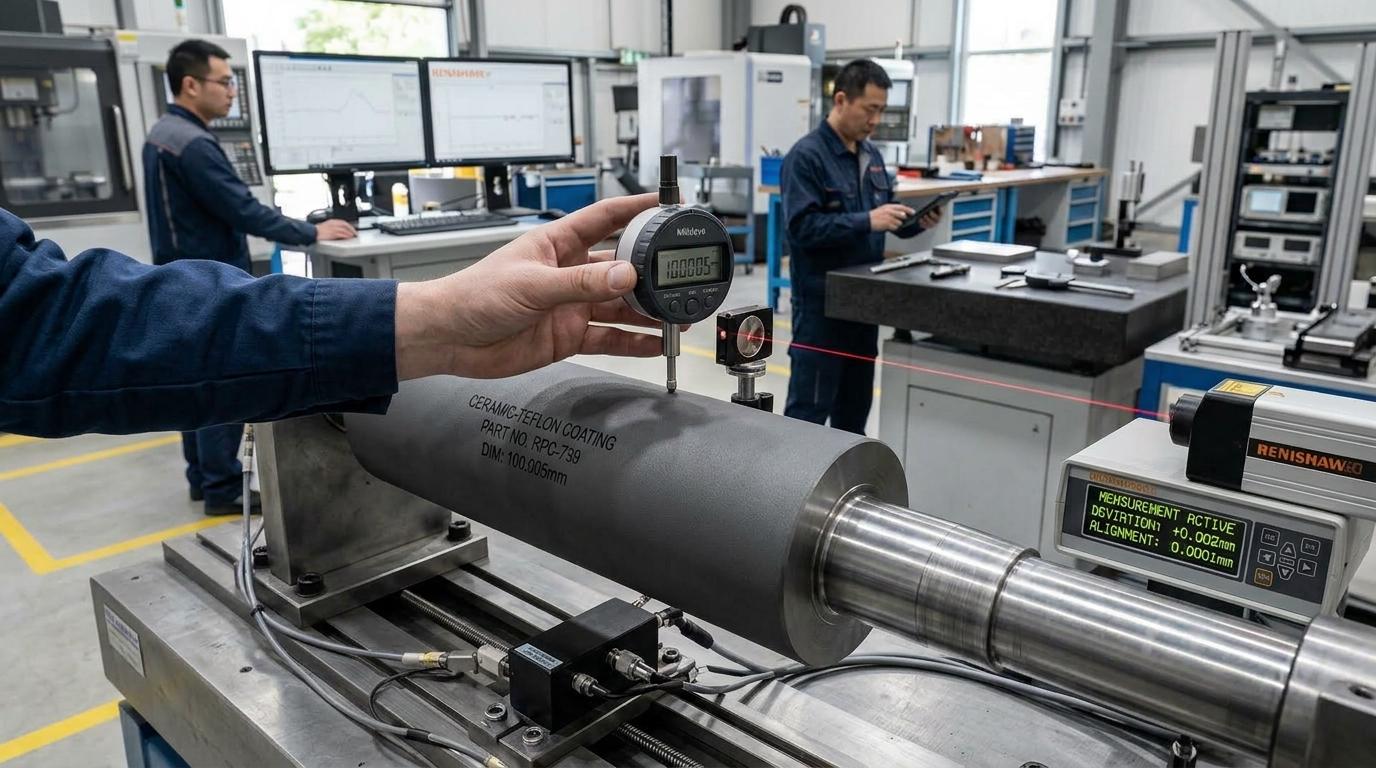
As a dedicated precision roller manufacturer, we treat every roller not just as a rotating mechanical part, but as the cornerstone of your product quality commitment. We offer end-to-end custom engineering tailored specifically to release film production environments:
Versatile Substrate Options: High-strength alloy steel, 304/316 stainless steel, aluminum alloy, and anti-magnetic alloys for cleanroom compliance.
Ultra-Precision Surface Treatments: Super-mirror polishing reaching Ra≤0.01μm, along with functional coatings including hard chrome, plasma ceramic, and non-stick PTFE.
Strict Tolerance Controls: High-tier roundness, concentricity, and dynamic balancing (G 1.0 / G 2.5) for vibration-free high-speed coating.
Recondition & Refurbishment Services: Precision re-grinding, re-plating, and surface repair to extend roller lifecycle and lower total cost of ownership.
Let's Build Better Release Films Together
Every meter of high-performing release film starts with a high-performing roller. If you are experiencing coating inconsistencies, web tension issues, or surface defects, contact our technical team today for a tailored engineering consultation
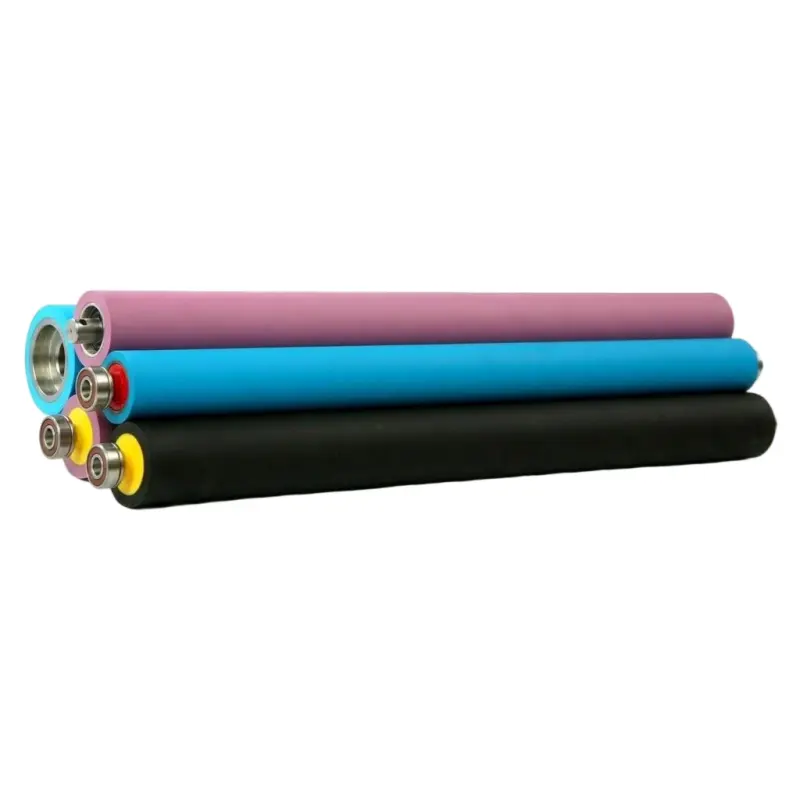
- Anodized Aluminum Rolls vs. PTFE-Coated Aluminum Rolls: What’s the Difference?
- Steel Rolls vs. Aluminum Rolls: How to Choose the Right Roller for Your Line
- Choosing the Right Air Shaft for Web Handling
- Industrial Cleaning Brush Rollers Factory
- Industrial Brush Rollers Factory
- Three common industrial applications of brush rollers
- Is Hard Chrome Plating Enough for Stretch Rolls?
- Explosion proof electric roller